Why Jackson’s Water Crisis Lasted So Long
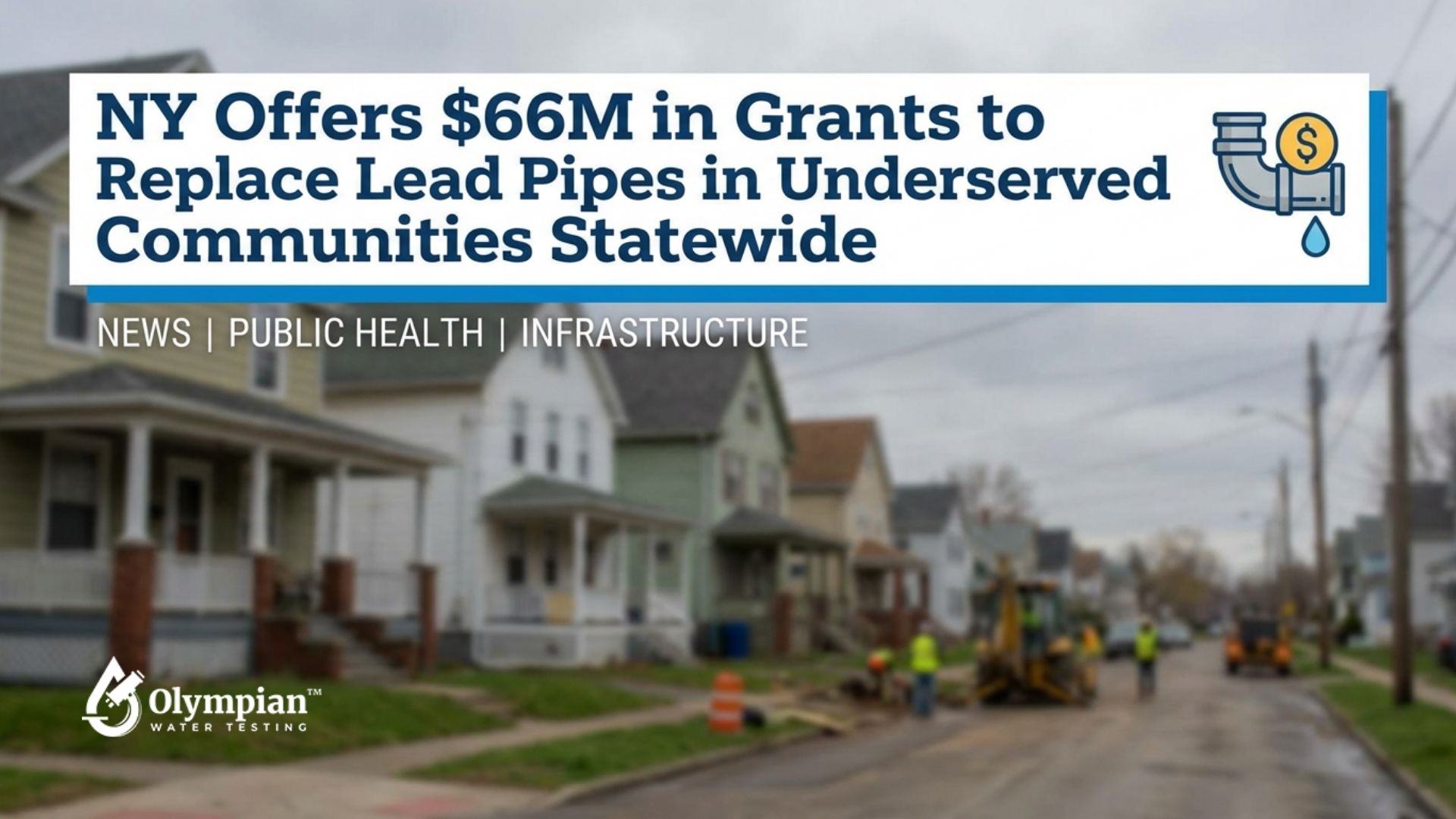
In Jackson, many homes struggled with old pipes and water quality issues. Residents were concerned about lead contamination from corroded lines. Despite health warnings, maintenance efforts were slow, creating a gap between policy and action.
A Historical Overview of Jackson’s Water Infrastructure
The city’s early growth relied on service lines prone to corrosion. Aging membranes and outdated treatments led to unwanted minerals in the water. Maintenance efforts failed to keep pace, eroding public trust when fixes became long-term repairs.
Funding Gaps and Government Oversight
Budget shortfalls hindered large-scale improvements, and leadership faced legal hurdles. This NPR report sheds light on the bureaucratic delays that prolonged the lead contamination crisis. Officials eventually acknowledged the need for stronger oversight, leading to critical investments in infrastructure and a renewed focus on public health.
The Role of Infrastructure in Jackson’s Water Challenges

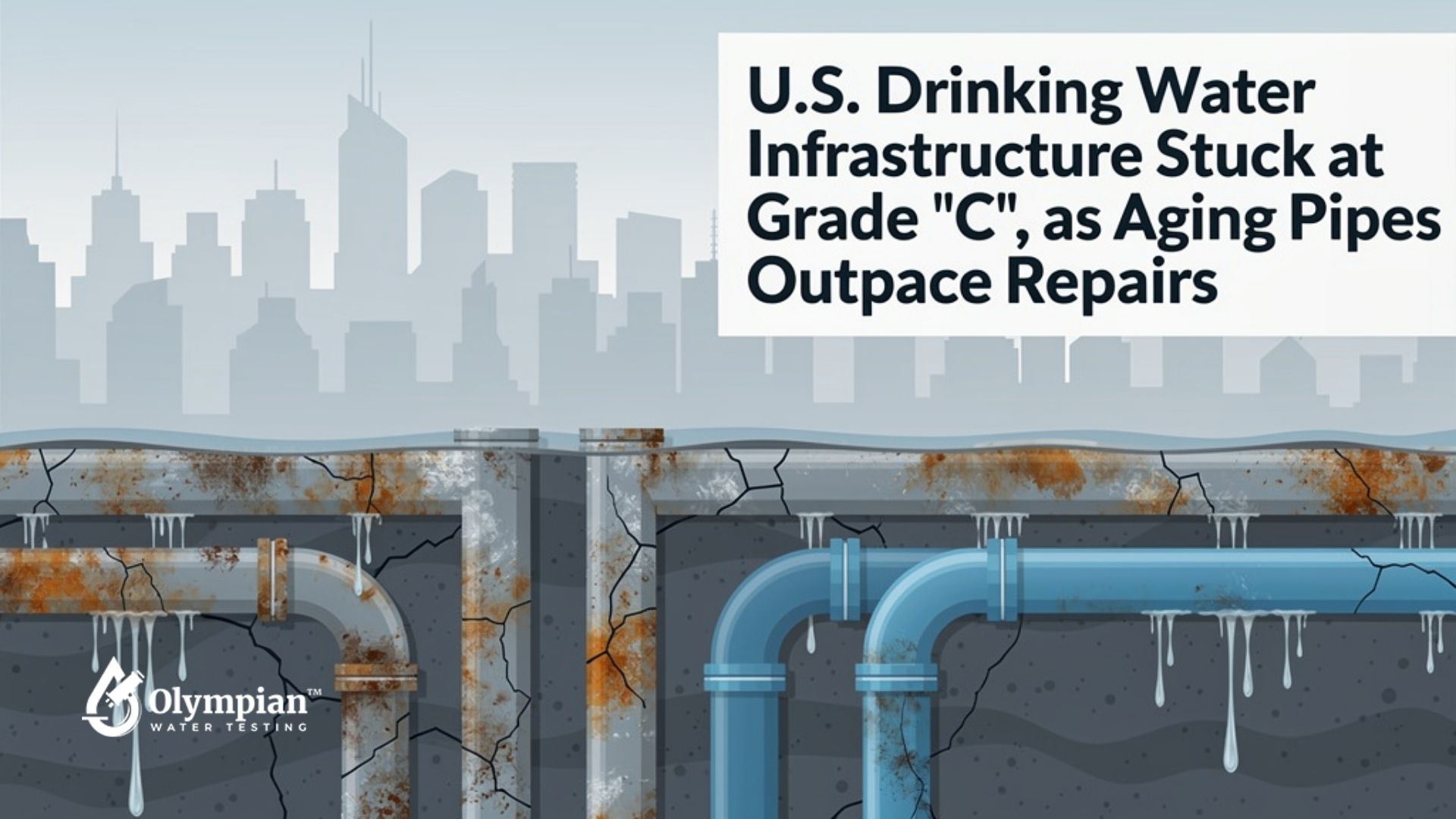
Jackson’s water network has been plagued by decades of neglect, leading to frequent leaks and unreliable service. The aging pipelines struggle to deliver treated water efficiently to residents. Mechanical failures at the O.B. Curtis and J.H. Fewell plants have caused sudden drops in pressure, forcing many to boil water for extended periods. The presence of unsafe lead levels has heightened concerns about outdated components, underscoring the need for more durable systems.
Local leaders have acknowledged the necessity for substantial investments to meet current demands. The challenges posed by flooding around treatment facilities have complicated repairs. The focus on EPA compliance has become a top priority for officials overseeing the upgrades. Renovations are seen as essential to regain public trust and adhere to EPA standards at all levels.
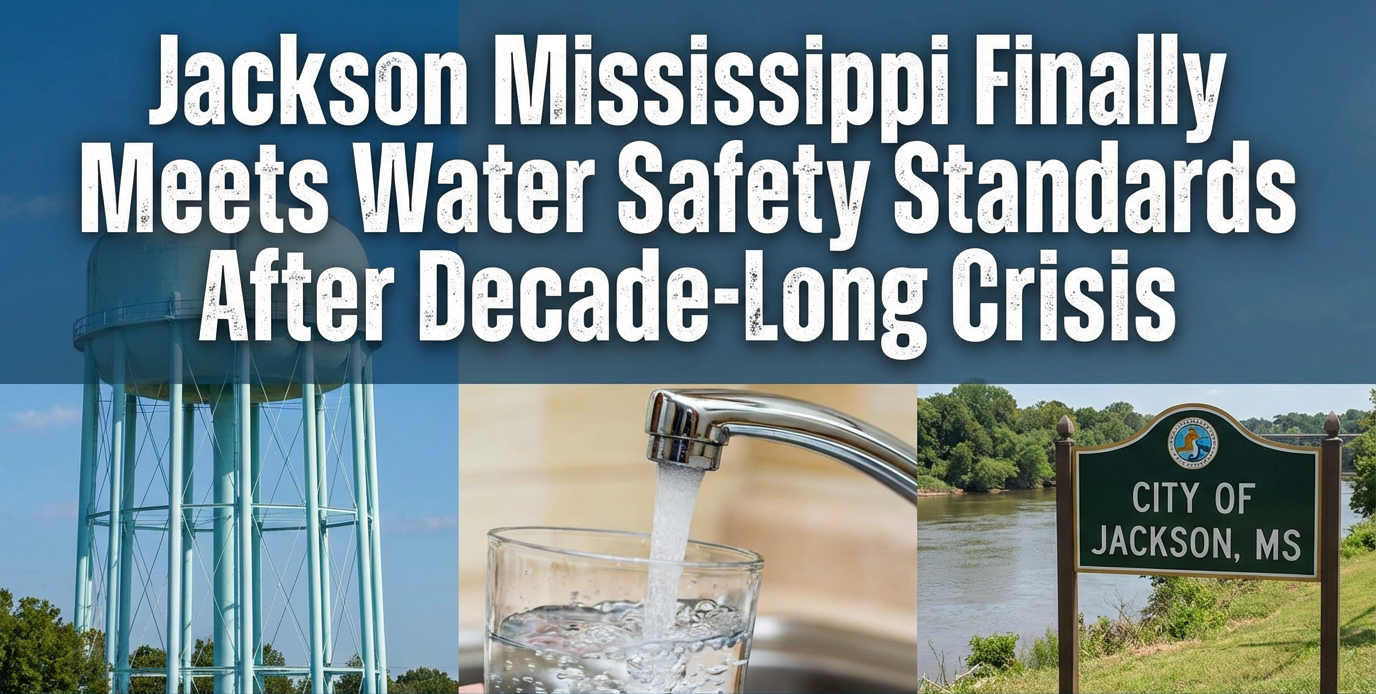
The Journey to Water Safety in Jackson, Mississippi
Residents once faced deep uncertainty about the security of their water supply. Determined community members and officials collaborated on new strategies. They aimed to guarantee safe drinking water throughout the city.
Ongoing conversations created fresh perspectives. Citizens sought input from health experts. They voiced the need for improvements in infrastructure, testing, and transparency.
Community Advocacy for Change
Local groups organized rallies and workshops that spotlighted contamination risks. They raised funds to replace worn pipelines and launched awareness campaigns. This groundswell of grassroots leadership inspired a wider push for accountability. It spurred city planners to address long-standing system flaws.
Environmental Tests and Evaluations
Analysts collected samples from households and public buildings. They surveyed heavy metals, chemical content, and overall treatment practices. Reports guided city leaders to target critical zones and refine methods for delivering safe drinking water.
| Evaluation Method | Focus | Outcome |
| Lab Sampling | Lead & Metals | Pinpoints contamination levels |
| Field Inspections | Infrastructure Wear | Highlights broken lines |
| Compliance Reviews | Safety Standards | Ensures regulatory benchmarks |
Health Impact and Community Response

Prolonged exposure to lead posed a significant risk to older adults and children. Families were faced with the daunting task of deciding whether to use tap water, given its alarming contamination levels. Many opted for bottled water or basic filtration systems, reflecting their deep-seated concerns about safety.
As steam rose from kitchen sinks and makeshift purification setups, calls for infrastructure upgrades intensified. This was a clear indication of the community’s growing frustration and demand for reliable safety measures.
Local health officials observed developmental challenges in children, including concentration issues and frequent headaches. Medical teams urged parents to seek immediate testing, highlighting the urgent need for concrete reforms.
Clinics recommended screening for families unsure about their water supply. This underscored the critical need for immediate action and the importance of addressing the root cause of the problem.
Public Health Concerns
Hospitals and community centers documented cases linked to contaminated water. Early detection was key, as timely intervention could mitigate long-term damage. Advocacy groups played a vital role by sharing information on lead exposure and the importance of basic precautions.
Grassroots Initiatives and Volunteer Help
Nonprofits and faith communities stepped in, delivering free filtration kits and essential supplies. This collaborative effort brought volunteers together for distribution drives, home inspections, and clean-water workshops. These initiatives fostered unity among residents, who eagerly awaited tangible outcomes from broader infrastructure upgrades.
| Key Action | Benefit | Who Leads |
| Free Filtration Kit Distribution | Immediate Lead Reduction | Local Nonprofits |
| Health Screenings | Early Detection | Medical Providers |
| Water Testing Clinics | Peace of Mind | Community Centers |
Federal and Local Efforts to Improve Water Quality

Federal collaboration paved the way for Jackson’s ambitious goal of elevating water standards. The Environmental Protection Agency (EPA) offered critical guidance on testing methodologies and oversight responsibilities. City leaders, in tandem with state representatives, secured essential funding. This effort drove significant improvements, significantly bolstering the public water supply.
County officials implemented measures to ensure transparency in treatment processes. Independent observers frequently reviewed lab results to affirm their accuracy. This synergy in intergovernmental cooperation heightened public trust. Residents now see the public water supply as a pressing priority.
| Key Partner | Role in Upgrading Systems |
| Environmental Protection Agency | Offered in-depth technical evaluations and set clear quality benchmarks |
| State Health Department | Verified water standards through independent testing programs |
| Local Government | Allocated funds to modernize facilities and sustain better output |
How Jackson Finaly Met Regulatory Benchmarks
City leaders focused on targeted repairs to improve water quality and meet new standards. Inspectors closely monitored each improvement phase. They ensured pipes, filtration units, and pressure zones were within safe limits. Public reports detailed the progress toward a stable water supply, highlighting the role of federal oversight in keeping the project on track.
The Role of the EPA

The Environmental Protection Agency led the assessment of Jackson’s treatment processes and monitoring. Officials demanded consistent testing to ensure chemical balances were safe for consumption. This scrutiny confirmed that pH adjustments were effective and metal levels were within guidelines.
Intensive sampling showed a significant decrease in contaminants. This gave residents more confidence in the city’s ability to meet health standards.
Critical Dates and Compliance Steps
Administrators followed a detailed roadmap with scheduled pipe replacements and regular updates to health agencies. Each deadline emphasized the importance of maintenance and timely reporting. This led to significant infrastructure upgrades.
Enforcement teams verified the final results by checking lead levels, confirming new coatings, and ensuring compliance with national standards.
Key Milestones on the Path to Safer Drinking Water
Over the years, Jackson, Mississippi achieved significant milestones to ensure safe drinking water. The first major step was addressing lead levels before they became irreversible. City engineers then fortified backup power units to minimize service disruptions. Next, modern filtration tools were installed to remove harmful contaminants.
Local officials recognized the importance of consistent upkeep. They developed strategic funding plans to address aging pipes and promote transparency. Community engagement played a critical role at every step. Residents voiced their concerns at local gatherings, guiding city leaders toward realistic goals. This open dialogue empowered citizens to stay informed and motivated.
“When neighbors pool ideas and resources, safe water becomes a right, not a luxury.”
By celebrating these milestones and prioritizing community engagement, Jackson set a blueprint for future water projects. Each achievement restored public confidence and propelled the city toward a healthier future.
How Residents Can Maintain Safe Water at Home
Safe water starts with simple steps in every home. Certified filters target impurities like lead, chlorine, and sediment. These steps, along with water quality regulations, help keep contaminants away.
Staying informed about local guidelines and performing routine checks are key. Families who keep up with municipal updates prevent small issues from growing. This proactive approach is essential.

Simple Filtration Methods
Activated carbon models reduce unpleasant tastes and odors. Reverse osmosis systems tackle heavier contaminants. Filters work best with timely replacements and proper cleaning.
| Filtration Type | Key Advantages |
| Activated Carbon | Minimizes chlorine and chemical residue |
| Reverse Osmosis | Removes lead, bacteria, and other pollutants |
Monitoring Water Quality with At-Home Kits
Test strips, handheld meters, and online resources make monitoring easy. They help detect changes in color or taste. These tools ensure daily water use meets quality standards, highlighting any need for action.
Clear instructions guide users in interpreting results. This builds confidence in every sip. It’s a simple yet effective way to stay safe.
Looking Ahead to a Secure Water Future
Jackson has made significant strides in water safety through relentless effort and collaborative partnerships. The city is now replacing outdated pipes with state-of-the-art materials. Digital monitoring systems track water quality in real-time, ensuring immediate responses to any issues.
Local authorities are teaming up with federal agencies to establish transparent oversight. This approach is paving the way for a future where every neighborhood can rely on safe drinking water. The commitment to this goal is unwavering.
Efforts to enhance water safety extend beyond infrastructure. Community outreach and rigorous training for water technicians are key components. The city’s leaders are committed to allocating funds for essential repairs and the adoption of advanced filtration systems.
By embracing new technologies, Jackson aims to minimize the risk of future water crises. Public-private partnerships are being explored to expedite responses to any water-related concerns. These initiatives collectively strengthen the city’s resolve to ensure a future where families can trust the water from every tap.