
Distilled Water vs Purified Water What’s The Difference
- Published:
- Updated: May 1, 2025
Listen to this article
Summary
The article compares distilled water and purified water, highlighting the processes, benefits, and applications of each. While both types undergo purification, the methods and resulting water quality differ significantly. Distilled water is made through boiling and steam condensation, removing nearly all impurities but also essential minerals. Purified water, on the other hand, is filtered through methods like reverse osmosis, retaining some beneficial minerals.
- Distilled water is more energy-intensive and lacks minerals, making it suitable for industrial use and detoxification.
- Purified water retains some minerals, improving taste and supporting health functions, making it a preferred choice for drinking.
- The article also addresses environmental impact, cost differences, and applications in various industries.

Difference Between Distilled and Purified Water
When choosing between distilled or purified water, it’s important to understand the differences in how these types of water are processed and their potential uses. Distilled water is produced through a process of distillation, where water is boiled to create steam and then condensed back into liquid form, leaving impurities, minerals, and contaminants behind. This method effectively removes most microorganisms and dissolved substances, resulting in a very pure form of water. On the other hand, purified water is treated through various methods such as reverse osmosis, deionization, or carbon filtration, all aimed at removing contaminants and impurities. The goal of purified water is also to meet strict standards of cleanliness, although it may retain some minerals that distillation removes.
So, what is the difference between distilled and purified water? While both types are free from harmful impurities, distilled water undergoes a more thorough purification process, eliminating all minerals. Purified water, on the other hand, may still contain some beneficial minerals, depending on the purification method used. Both types are safe to drink and commonly used in situations where high-quality water is essential, such as medical procedures or specific industrial processes. However, for regular hydration, purified water may be preferable due to its mineral content.
Which Is Better: Distilled or Purified Water?

The debate between purified vs distilled water often comes down to the specific needs of the individual or the intended use. Distilled water undergoes a rigorous distillation process, which removes virtually all minerals and contaminants, making it an ideal choice for medical equipment, laboratories, and certain industrial applications where absolute purity is required. However, because distilled water lacks minerals, it may not be the best option for daily hydration. Consuming water without minerals over time can lead to an imbalance in electrolytes, potentially affecting your overall health.
When comparing distilled water vs purified water, purified water retains some minerals, depending on the purification method, making it a better choice for regular drinking. The purification process removes contaminants and impurities while leaving beneficial minerals intact, such as calcium and magnesium, which are essential for hydration and health. For most people, purified water is a safer and more sustainable option for everyday consumption. However, distilled water might be the preferred choice for those requiring ultra-pure water for specific technical or medical reasons.
Understanding Water Purity
Water purity is a measure of how free water is from impurities. These impurities can include dissolved solids, chemicals, bacteria, and other contaminants.
The pursuit of clean water has led to various purification methods. These are designed to remove undesirable substances from water.
The process of achieving water purity is not a one-size-fits-all approach. Different methods yield different results in terms of purity levels.
To clarify this, let’s break down some common terms related to water purity:
- Contaminants: Substances that can be harmful if ingested.
- Filtration: The process of removing particles from water.
- Sterilization: Killing or inactivating harmful microorganisms.
Understanding these concepts is essential. It helps in grasping how water sources are treated to become distilled or purified.
Defining Distilled Water

Distilled water is a type of purified water. It is made through the distillation process.
In distillation, water is boiled to produce steam. The steam is then cooled to return to a liquid state.
This process removes most impurities, including minerals, bacteria, and chemicals. The result is water with high purity levels but lacking natural minerals.
Defining Purified Water
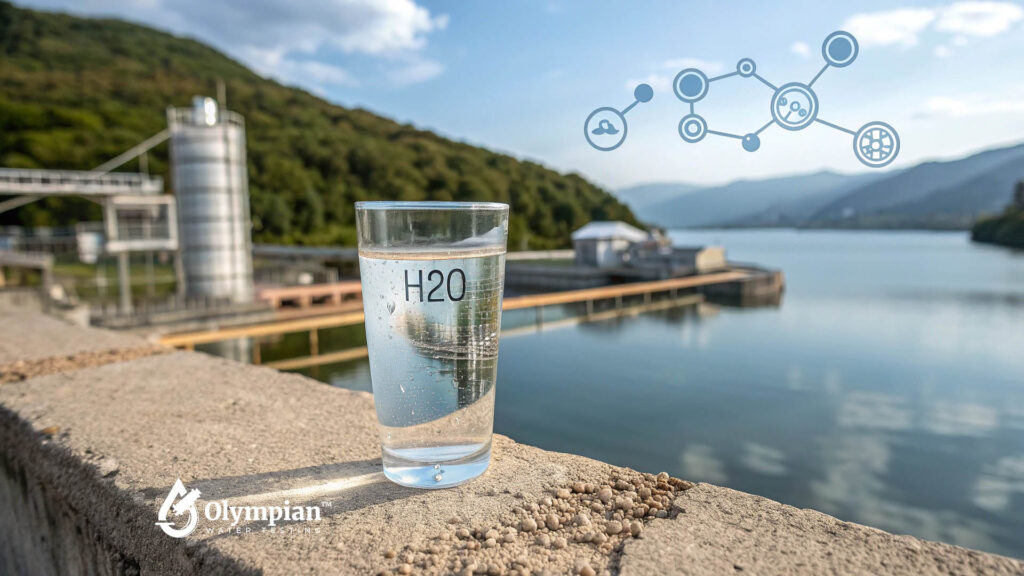
Purified water is water that has undergone a purification process. This can include methods like reverse osmosis, carbon filtration, and others.
Unlike distilled water, purified water may retain some natural minerals. These minerals contribute to the water’s taste.
The goal of purification is to significantly reduce contaminants. This makes the water safe and suitable for consumption.
The Distillation Process Explained
Distillation is a powerful method of purification. It involves boiling water to create vapor and then condensing this vapor back into liquid form.
As water boils, it leaves behind most impurities. These can include dissolved salts, heavy metals, and microorganisms.
The condensed vapor is collected as distilled water. This water is free from contaminants due to the evaporation step.
Distillation is used in various applications. It serves industries requiring ultra-pure water and is also useful in preparing laboratory reagents.

Despite its effectiveness, distillation has a downside. The process can be energy-intensive, consuming significant electricity or fuel resources.
Furthermore, distilled water lacks essential minerals like calcium and magnesium. These minerals are often present in non-distilled sources.
In summary, distillation is an effective method for producing high purity water. It serves many industries, but its energy demands and mineral absence are crucial considerations.
Common Methods of Water Purification
Purifying water involves various methods beyond distillation. These techniques ensure water is free from impurities and safe for consumption.
Each purification process targets specific contaminants. This makes it crucial to choose the right one for your needs.

Here are some widely used water purification methods:
- Reverse osmosis
- Carbon filtration
- Deionization
Selecting the appropriate method can greatly improve water taste and safety. Consider factors like the source and intended use of the water.
Proper purification not only enhances water quality but also protects health. It limits exposure to harmful substances found in untreated water.
Reverse Osmosis

Reverse osmosis (RO) is a popular water purification technique. It uses a semipermeable membrane to remove ions, molecules, and large particles.
Water is pushed through this membrane under pressure. The membrane traps contaminants, allowing only clean water to pass.
RO systems are widely used in households and industries. They are effective against common pollutants like lead, nitrates, and pesticides.
Carbon Filtration

Carbon filtration relies on activated carbon to purify water. It excels at removing chlorine, odors, and volatile organic compounds (VOCs).
The carbon has a vast surface area, capturing contaminants as water passes through. This makes it an effective yet simple method.
Carbon filters are used in homes and portable water purifiers. They improve taste and remove chemicals but may not eliminate all pathogens.
Deionization

Deionization is another effective purification method. It uses ion exchange resins to remove mineral ions like calcium and magnesium.
Water passes through resin beads, where ion exchange occurs. Unwanted ions are replaced with hydrogen and hydroxide ions, forming pure water.
Deionized water is often used in laboratories and medical applications. It provides high-purity water needed for sensitive processes and equipment.
Mineral Content: Distilled vs Purified Water

Distilled water is known for its lack of minerals. The distillation process boils the water, capturing steam, and leaving minerals behind. As a result, distilled water is nearly mineral-free, making it ideal for specific applications.
In contrast, purified water can retain some minerals depending on the method used. Techniques like reverse osmosis and carbon filtration remove most impurities but may allow certain minerals to remain. This means purified water might still carry some mineral content.
The absence of minerals in distilled water affects taste. It tends to be flat compared to mineral-containing waters. Purified water often retains a more natural taste due to trace minerals, which many people prefer.
When choosing between distilled and purified water, consider your needs. Some individuals may require mineral-free water, while others might seek the nutritional benefits of retained minerals. Understanding their mineral content helps align with your specific requirements.
Health Implications and Benefits
When considering health, the type of water consumed can play a significant role. Understanding the health implications of distilled versus purified water helps in making informed choices.
Distilled Water Benefits
Distilled water offers a pure form of water with minimal contaminants. This makes it a great choice for those seeking cleanliness. Its lack of minerals, while seen as a downside by some, is beneficial in specific scenarios. Individuals on a detoxification regimen may prefer distilled water due to its purity and ability to aid in flushing out toxins. Moreover, distilled water is often recommended for use in appliances such as humidifiers and steam irons, as it helps prevent mineral buildup and prolongs their lifespan. For households focused on maintaining a clean and efficient living environment, incorporating distilled water into their daily routines can be a strategic choice. In addition, as more people seek sustainable water options for households, understanding the benefits of distilled water can help them make informed decisions about their water sources.
Purified Water Benefits
Purified water generally contains fewer impurities compared to regular tap water. It often retains beneficial minerals, which can support healthy body functions. For those with sensitive systems, purified water provides a clean and reliable option, reducing exposure to potential contaminants. Moreover, its balanced taste and mineral content make it appealing to a broader audience. This combination offers both cleanliness and essential nutrients in one package.
Environmental Impact and Sustainability

The environmental effects of producing distilled and purified water can differ considerably. Distillation typically requires significant energy, leading to a larger carbon footprint.
In contrast, many water purification methods, such as reverse osmosis, are more energy-efficient. These processes, however, can still generate wastewater, which raises sustainability concerns.
The packaging and transport of bottled distilled and purified water add another layer of environmental impact. This includes potential plastic waste contributing to environmental pollution.
Choosing environmentally friendly practices in water production and consumption is crucial. Opting for local sources and reusable containers can help reduce environmental footprints.
Cost and Availability in the Market
The cost of distilled water is often higher than that of purified water. This is due to the energy-intensive distillation process, which can drive up production costs.
Purified water, produced through methods like reverse osmosis, is usually more economical. These purification processes are generally less energy-demanding, making purified water a more budget-friendly option.
Both distilled and purified water are widely available in supermarkets and online. However, availability can vary, especially in rural or remote areas.
For those prioritizing cost efficiency, investing in a home purification system might be worthwhile. This approach can also aid in reducing reliance on bottled water, benefiting both the environment and your wallet.

Applications and Uses in Industries
Distilled and purified water have distinct roles across various industries. The purity levels achieved through these processes are crucial for sensitive applications.
Distilled water is favored in industries requiring extremely pure water. Its low conductivity makes it ideal for specific scientific and technical uses.
Purified water is utilized in industries where cleaner water is necessary but not to the stringent standard of distilled water. Industries like pharmaceuticals often depend on purified water.
Common industries and their water choices:
- Healthcare and Laboratories: Distilled
- Food and Beverage Production: Purified
- Automotive and Batteries: Distilled
- Manufacturing Processes: Purified
Overall, selecting between distilled and purified water depends on the purity needed for the specific application.
Medical and Laboratory Use

In medical and laboratory settings, distilled water is indispensable. Its purity eliminates interference in experiments and tests.
Medical facilities use it for sterilizing equipment. This minimizes the risk of contamination with unwanted minerals or chemicals.
Laboratories require distilled water for precise dilutions and solution preparations. Its consistent purity ensures accuracy in scientific results.
Food and Beverage Industry

Purified water is essential in the food and beverage industry. It enhances product quality by eliminating contaminants and impurities.
Breweries rely on purified water for consistent flavor and quality in their beverages. It ensures the desired taste profiles and safety standards.
In food preparation, purified water is crucial for ensuring hygiene and safety. It helps maintain the integrity of ingredients in various food products.
Choosing the Right Water for Your Needs
Selecting the right type of water depends on several factors. These include intended use, health concerns, and personal preferences.
Consider your specific needs when deciding between distilled and purified water. For drinking, purified water might provide a balance of purity and minerals.
If your application requires water with minimal impurities, such as in a lab or for sensitive appliances, distilled water is a solid choice. Its lack of minerals can be beneficial in such contexts.
Always assess the purpose and purity requirements. This will ensure you opt for the type of water that best meets your unique needs.
Conclusion: Making an Informed Decision
Understanding the differences between distilled and purified water is essential. Each type has unique benefits and uses based on purity levels.
Evaluate your needs, whether for drinking, industrial use, or specific health considerations. This will guide you to make a sound choice.
By being informed, you can ensure the water you select best suits your circumstances. This ensures both safety and efficiency in its application.
Share this on social media:
Facebook
Twitter
LinkedIn

Related Posts