How Distillation Affects Your Health and Wellbeing
- Published:
- Updated: February 4, 2025
Listen to this article
Summary
Distillation is a process used to purify water, alcohol, and essential oils. While it removes harmful contaminants, it also has drawbacks, such as the loss of beneficial minerals in water and the environmental impact of energy consumption.
- Distilled water is pure but lacks essential minerals like calcium and magnesium.
- Alcohol distillation increases alcohol content but can pose health risks with excessive consumption.
- Essential oils benefit from distillation, but poor quality distillation can cause skin irritation.

Fundamentally, distillation works by using evaporation and condensation to clean or separate a solution. It sounds like an industry only seen in water labs, but it’s in our own living rooms. Distillation controls everything, from the water we drink to the alcohol and essential oils we ingest.
In it, the liquid is heated up to vapor or steam. This vapour is then taken up and refrigerated to be again liquid. This principle is that the different substances have a different boiling point and hence the object to be separated or purified can be separated or purified.
Impact on Water Quality: The Case for Distilled Water
Benefits of Distilled Water: Distilled water is commonly used for consumption due to its purity. It removes bacteria, viruses, chlorine, and heavy metals, ensuring that harmful impurities are absent. Distilled water has 99% purity, according to research by the U.S. Environmental Protection Agency (EPA), making it one of the safest options available for those looking for clean drinking water. It is also beneficial in emergency situations, such as natural disasters, where clean water might not be readily accessible.
However, one potential downside is that it removes essential minerals such as calcium, magnesium, and potassium. These minerals are important for our overall health, and long-term consumption of demineralized water can lead to deficiencies. Studies from the World Health Organization (WHO) suggest that consuming demineralized water over long periods can have negative health consequences such as increased risk of cardiovascular issues and weakening of bones.
Study Data: A study by the U.S. National Institutes of Health (NIH) found that people who consumed mineral-deficient water were at a higher risk of developing chronic diseases such as osteoporosis and heart disease. (Source: NIH Study on Health Effects of Drinking Water).
Distillation of Alcohol: The Health Implications
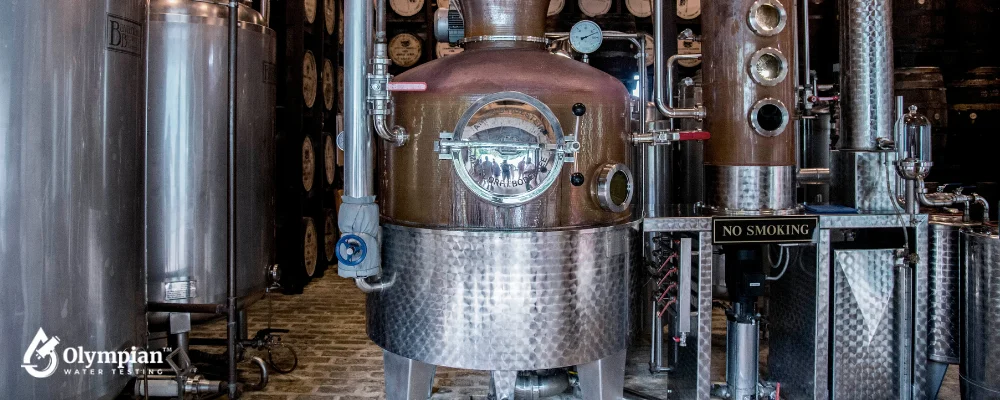
Alcohol Distillation and Health Risks: Distilled spirits, such as vodka, whiskey, and brandy, undergo a similar process to that of water, where the liquid is evaporated and then condensed to increase the concentration of alcohol. While moderate consumption of alcohol has been linked to potential health benefits (such as heart health), regular consumption of distilled spirits can pose serious health risks.
- Health Studies: According to the American Heart Association (AHA), long-term excessive alcohol consumption increases the risk of liver disease, cardiovascular disease, and certain types of cancer. The AHA also states that over 3 million deaths per year are linked to alcohol consumption globally.
- Statistics: The National Institute on Alcohol Abuse and Alcoholism (NIAAA) reports that 1 in 10 deaths among working-age adults in the U.S. is attributed to alcohol misuse.
Essential Oils: Distillation’s Role in Therapeutic Products
Benefits of Distilled Essential Oils: Distilled essential oils are popular in aromatherapy for their therapeutic effects. Steam distillation ensures that the plant’s volatile compounds are extracted and preserved, making the oils potent for relaxation, anxiety relief, and other health benefits. However, poorly distilled oils can either be too weak or too concentrated, leading to inefficacy or skin irritation.
Quality Control: Research by the National Association for Holistic Aromatherapy (NAHA) has shown that essential oils derived from reputable sources using high-quality distillation processes have higher concentrations of therapeutic compounds, offering more effective results in reducing symptoms of anxiety, depression, and even pain.
The Environmental Impact of Distillation
Energy Consumption and Waste Production: Distillation processes, especially on an industrial scale, consume significant amounts of energy, leading to increased carbon footprints. According to a report from the International Energy Agency (IEA), distillation consumes an average of 1.5-2.0 kWh per liter of water distilled, contributing to carbon dioxide (CO2) emissions.
Studies on Environmental Footprints: A study published in the journal Science of the Total Environment showed that distillation for large-scale water purification results in a high level of greenhouse gas emissions compared to other purification methods like reverse osmosis, which is more energy-efficient. The study highlighted that large-scale distillation facilities account for 15% of the total energy consumption in the water purification industry.
Distillation in Pharmaceutical Industry: Purification of Medicines
Purification in Pharmaceuticals: Distillation plays a vital role in the pharmaceutical industry, particularly in the production of pure medications. It removes harmful contaminants and ensures the quality of medications. The World Health Organization (WHO) and the U.S. FDA regulate the distillation process to ensure high standards of purity in pharmaceutical products.
Impact Data: A report from the U.S. Food and Drug Administration (FDA) highlighted that distillation is the most commonly used method in producing pure, high-quality pharmaceuticals, especially for products like intravenous solutions, vaccines, and oral medicines. Contaminants in these medications can lead to adverse health effects, which is why distillation is a critical process in ensuring their safety.
| Product | Benefits | Drawbacks |
|---|---|---|
| Water (Distilled) | 99% purity, removes bacteria, viruses, and heavy metals | Loss of essential minerals like calcium, magnesium, potassium |
| Alcohol | Increased alcohol concentration, better taste | Excessive consumption leads to liver damage, cancer risks |
| Essential Oils | Higher potency, therapeutic benefits | Low-quality distillation may cause skin irritation |
| Pharmaceuticals | High purity, removes contaminants | Requires energy and investment, waste production |
Future Innovations in Distillation
The world of distillation is not static. Innovations are continuously being developed to make the process more efficient, sustainable, and capable of producing higher quality products. For example, new energy-efficient distillers are being designed to reduce the environmental impact of distillation.
In addition, advances in technology are improving the purity of distilled products. For example, new methods of distillation are being developed for the production of essential oils, promising higher concentrations of therapeutic compounds. These innovations can have a direct, positive impact on our health and wellbeing. Checking independent water testing company near me in NY and NJ? See Olympian Water Testing.
The Science Behind Distillation: Understanding the Process
While many are familiar with the basics of distillation, understanding the detailed science behind it can deepen our appreciation for its applications. Distillation relies on the principles of boiling point differences to separate components in a mixture. This method ensures the removal of impurities, resulting in a purified product. By delving into the physics and chemistry involved, we gain insight into why distillation is such a reliable and versatile method for purification and separation in various industries.
Conclusion: The Impact of Distillation on Health and Wellbeing
Distillation is a valuable method for ensuring the purity of substances like water, alcohol, and essential oils. It provides benefits by removing harmful contaminants, making it useful in various industries. However, the loss of essential minerals in water and the potential environmental impact of distillation processes need to be considered. By understanding the pros and cons of distillation, consumers can make more informed choices about what they consume and how it affects their health and the environment.
Share this on social media:
Facebook
Twitter
LinkedIn

Related Posts