Exploring Distilled Water Alternatives for Sustainability
- Published:
- Updated: April 29, 2025
Listen to this article
Summary
Exploring sustainable alternatives to distilled water, addressing both environmental concerns and the quest for pure water.
- Distillation, though effective for purification, is energy-intensive and may lack in taste. Sustainable alternatives include tap water, filtered water through methods like activated charcoal, reverse osmosis, UV filtration, and rainwater harvesting.
- Bottled and spring water offer convenience but come with significant environmental footprints, highlighting the need for responsible consumption and local sourcing.
- Future innovations promise enhanced sustainability through solar distillation, energy recovery systems, and biofiltration, aiming for minimal environmental impact and access to clean water for all.

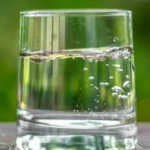
If we are used to store distilled water, it is clean water that has been distilled, thus it is free from minerals, bacteria, chemicals, etc. The boiling of the water to steam and condensing it into a new container. That eliminates most contaminants and produces very pure water.
But even distilled water alternatives are not perfect, and for this reason there are some challenges. Distillation is expensive and also might leave the water tasteless because many of the minerals that flavour water are lost during distillation. And not all contaminants get cleaned up by distillation, particularly volatile organic compounds that tend to evaporate and vaporise with the water. For verified proof about water quality check professional water lab.
Why should one seek alternatives to distilled water?
Distilled water is not a clean affair, however. It’s an especially consuming activity that is usually carried out with fossil fuels, and hence pollutes the atmosphere. Moreover, per litre of distillate there is also a lot of heat and water lost.
Due to these environmental considerations, sustainable alternatives to distilled water have never been more vital. These solutions can’t just be designed to deliver clean and safe water – they must also be designed to use as little energy and waste as possible in their operation.

While distilled water is highly effective in purification, it comes with significant energy consumption and environmental impact. As we seek more sustainable solutions, it’s important to explore alternatives that balance water quality with lower energy use and a smaller environmental footprint. The chart below compares the most common water purification methods based on their energy consumption, contaminant removal efficiency, and overall environmental impact, helping you make an informed choice about the best alternative for your needs.
| Water Treatment Method | Energy Consumption | Contaminant Removal Efficiency | Environmental Impact |
|---|---|---|---|
| Distillation | High | 99%+ (bacteria, chlorine, heavy metals) | High |
| Reverse Osmosis | Moderate | 99%+ (salts, lead, pesticides) | Moderate |
| Activated Charcoal | Low | 99% (chlorine, VOCs, heavy metals) | Low |
| UV Filtration | Low to Moderate | 99.99% (bacteria, pathogens) | Low |
| Rainwater Harvesting | None | Low (requires filtration) | Very Low |
Tap Water: To Drink or Not to Drink

We have tap water in every country, everywhere. It’s closely regulated and treated in developed countries to be safe to eat. But the water from your tap can be a poor product, depending on where you are.
Even in the face of these variations, drinking tap water can be a sustainable replacement for distilled water if the water is clean at home. It might need some additional treatment to remove particular contaminants, but it’s a first line solution and could be improved on.
Filtered Water: Bridging the Gap

Water filtration systems can be an effective solution to bridge the gap between tap and distilled water. These systems can remove a wide range of contaminants, leaving water that is both safe to consume and more environmentally friendly to produce. Among these filtration methods are:
- Activated Charcoal: It works by adsorbing organic compounds, improving taste and odor, and removing chlorine and other chemicals.
- Reverse Osmosis: This method removes a wide range of contaminants, including salts, leading to a high level of purity.
- UV Filtration: UV light destroys bacteria and other pathogens, ensuring biological safety without the use of chemicals.
Rainwater Harvesting: Nature's Distillation Process

Rainwater harvesting could be considered nature’s own distillation process. The natural cycle of evaporation and precipitation that produces rain is a form of distillation, and rainwater is typically low in mineral content, similar to distilled water.
While harvested rainwater may still require treatment to ensure it’s safe for drinking, it represents a viable, sustainable distilled water alternative. Harvesting systems can be simple to install and maintain, making this a particularly attractive option in regions where rainfall is abundant.
Rainwater harvesting has been gaining traction as a sustainable alternative to distilled water. According to a study by the United Nations Environment Programme (UNEP), rainwater harvesting can reduce water consumption by up to 50% in water-scarce regions. Simple systems can be implemented to collect and store rainwater, which, after minimal treatment, can be used for various household purposes, reducing reliance on energy-intensive water purification methods.
Bottled Water: Convenience at a Cost

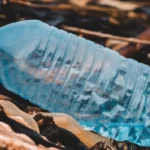
Bottled water offers convenience but comes with its own set of environmental challenges. The production and disposal of plastic bottles generate significant waste and contribute to carbon emissions. Additionally, the process of bottling, transporting, and refrigerating water is energy-intensive.
Even with efforts to improve sustainability, such as using plant-based plastics or increasing recycling rates, the overall environmental footprint of bottled water remains substantial. Therefore, while bottled water can be an alternative to distilled water, it may not align well with sustainability goals.
The bottled water industry generates over 3 million tons of plastic waste annually, with a significant portion of these bottles ending up in landfills or oceans. A 2021 report from the Container Recycling Institute found that only about 30% of plastic water bottles are recycled, contributing heavily to global plastic pollution. By choosing sustainable alternatives like filtered water or rainwater harvesting, we can help reduce the environmental footprint of bottled water.
Spring Water: A Natural Alternative

Spring water, sourced directly from natural springs, is another distilled water alternative. It typically contains a variety of minerals, contributing to a desirable taste. However, the sustainability of spring water is variable and dependent on factors such as the distance for transportation and the methods used to collect and package the water.
While spring water can be a renewable resource if managed correctly, the energy used for bottling and shipping can quickly outweigh the environmental benefits. Therefore, local sourcing and responsible consumption practices are crucial when considering spring water as a sustainable alternative.
What can I use instead of distilled water?
If you don’t have distilled water available, there are several substitutes you can use, depending on your needs. One common substitute for distilled water is purified water, which has undergone a filtration process to remove impurities. While purified water may still contain some minerals, it is generally considered a safe alternative in most cases, especially for cleaning or drinking. Another option is reverse osmosis (RO) water, which is filtered through a semipermeable membrane to remove a wide range of contaminants, making it a suitable replacement for distilled water in applications like cooking or skincare.
For certain uses, such as in humidifiers or steamers, you might use filtered water or bottled water as a replacement. However, keep in mind that these options might leave mineral buildup over time, especially in appliances that heat water. If you’re using water for skincare or haircare, you can opt for filtered water, as it will have fewer contaminants than tap water, though it may still contain some minerals. While distilled water is the purest option, these substitutes can serve as practical replacements when necessary.
Future Innovations in Sustainable Water Solutions
Looking ahead, innovation will play a critical role in developing sustainable water solutions. Researchers and technologists are continuously exploring new filtration technologies and methods for reducing the energy consumption of existing processes. Some areas of focus include:
- Solar Distillation: This process uses solar energy instead of fossil fuels to heat and evaporate water, offering a more sustainable approach to distillation.
- Energy Recovery Systems: These technologies aim to recapture and reuse the energy wasted during processes like reverse osmosis, making them more energy-efficient.
- Biofiltration: This technique uses naturally occurring microbes to treat water, reducing the need for chemical disinfectants.
As we continue to explore and develop these innovations, we move closer to a future where everyone has access to clean, safe drinking water with minimal environmental impact. Seeking independent water testing near me? Check Olympian Water Testing services and if you enjoyed this content on distilled water by the Olympian Water Testing experts, then please share it.
Globally, the average person uses approximately 80 to 100 gallons of water per day, with a significant portion going to household tasks like cooking, cleaning, and bathing. According to the World Health Organization (WHO), efficient water management and sustainable alternatives to water purification are crucial as water scarcity becomes a growing issue. Transitioning from energy-intensive processes like distillation to solar-powered systems or biofiltration could help reduce global water consumption and environmental strain.

Community-Based Water Solutions: Harnessing Local Resources
Community-based water solutions are essential for sustainability. By leveraging local resources and involving community members, these solutions provide practical, eco-friendly alternatives.
Local Water Treatment Plants: Small-scale, community-managed plants using sand filters, UV treatment, and biofiltration can address local water contaminants effectively. These plants promote local job creation and skill development.
Cooperative Rainwater Harvesting: Communities can collectively invest in rainwater harvesting systems, ranging from simple rooftop collectors to shared storage facilities. This ensures a reliable water supply, especially in water-scarce areas.
Education and Awareness Programs: Educating community members on water conservation and sustainable practices reduces wastage and promotes protection of local water sources.
Public-Private Partnerships: Collaborations between local governments, private companies, and non-profits can enhance community-based water solutions by providing funding, technology, and expertise.
Conclusion: Moving Towards a Sustainable Water Future
Greener water solutions are the key to minimising our impact on the environment. Distilled water is clean but energy-demanding to make. More sustainable alternatives such as tap water, filtered water, rainwater harvesting and localised solutions.
With innovations like solar distillation, energy recovery and biofiltration, clean, safe water is coming to every person with the minimum of ecological damage. This shift involves bringing communities and education into the equation and collective responsibility for water.
A future without water demands research, technology and community investment. We can adopt locally developed, local solutions to leave a water for the next generation that’s resilient. For specialized water testing or more about green water solutions look no further than Olympian Water Testing. Knowledge and assets should flow in cooperation for the future of water.
FAQs
Distilled water alternatives encompass deionized water, demineralized water, or purified water, each tailored for specific applications where absolute purity is paramount.
While boiling water eliminates impurities, it falls short of the meticulous purification achieved through distillation, which ensures a higher level of purity by separating contaminants more effectively.
Bottled water, though generally pure, may not match the stringent standards of distilled water in specific use cases requiring exceptionally low mineral content and absolute purity.
Crafting distilled water at home involves the meticulous process of distillation, wherein water is vaporized and condensed, yielding a purer form suitable for applications demanding the utmost in cleanliness.
Superior distilled water alternatives hinge on contextual needs; for instance, deionized water excels in certain scenarios, providing a more tailored solution by removing both ions and impurities, surpassing the purity achieved through distillation alone.
Share this on social media:
Facebook
Twitter
LinkedIn

Related Posts