How to Store and Handle Distilled Water Properly
- Published:
- Updated: May 4, 2025
Listen to this article
Summary
Maintaining the purity and quality of distilled water is crucial for various applications. Following correct storage and handling protocols ensures its safety and effectiveness. Here’s how: When storing distilled water at home, it is important to keep it in a clean, sealed container to prevent contamination. Additionally, it should be kept away from direct sunlight and extreme temperatures to maintain its purity. Regularly checking the container for any signs of damage or leaks will also help to ensure the quality of the distilled water.
- Choose the right container: Opt for non-reactive materials like glass or specific types of plastic to prevent contamination.
- Clean containers thoroughly: Wash containers with mild detergent and rinse with distilled water to remove any residue.
- Store in the right environment: Keep distilled water in a cool, dark place away from sunlight, chemicals, and strong odors.

Distilled water needs to be stored and handled in the proper manner to keep it pure and high quality. Whether it is for lab water testing, medical use or household use, distilled water will always be safe and last for long. From storing in clean bottles and in a dark place to keeping distilled water as hygienic as possible while handling, knowing how to store and handle distilled water is one way to maintain its quality and make sure it is suitable for many applications.
What is distilled water
Distilled water is water that has been subjected to an intensive purification process called distillation. This means heating the water and returning it to a liquid state. It’s the water without minerals, contaminants and other possible contaminants found in a typical tap water. Learn all the benefits of distilled water. Distilled water is commonly used in laboratories, aquariums, and certain medical applications due to its purity. However, as awareness grows about the environmental impact of water sourcing and purification processes, many are now exploring sustainable water options to minimize their ecological footprint. By choosing sourced or filtered alternatives, individuals can enjoy clean water while also contributing to better water resource management in their communities.
Even though it’s used for everything from water testing labs and cooling in cars to some cooking, distilled water is so pure it needs to be stored and treated differently from any other water in order to keep it pure and free of contamination.
Why Distilled Water Requires Special Care
Distilled water’s purity is both its strength and its weakness. It’s free from impurities that could affect certain processes, making it ideal for many specific uses. However, its lack of natural minerals and ions also means it can absorb substances from its surroundings more readily, making it prone to contamination if not stored and handled correctly.
For example, if distilled water is stored in a metal container, it could absorb metal ions, compromising its purity. Therefore, knowing how to correctly store and handle distilled water is crucial to preserve its integrity and ensure it remains safe for its intended use.
Does Distilled Water Go Bad?
Distilled water, when stored properly, doesn’t go bad or spoil in the traditional sense. Since it is purified through distillation, it contains no impurities or microorganisms that would typically cause it to deteriorate. However, over time, if not sealed properly, it can absorb dust, bacteria, or chemicals from the air, potentially affecting its quality. The key to maintaining the freshness of distilled water is to store it in a clean, airtight container, away from direct sunlight and heat sources.
How long can distilled water be stored? When kept in optimal conditions, distilled water can last indefinitely. It’s best to consume it within a reasonable timeframe, such as 1-2 years, to ensure its purity and taste are not compromised. If you notice any changes in the water’s appearance or odor, it could be a sign that it has been contaminated after opening. Storing distilled water in a cool, dry place and sealing it tightly will help maintain its quality for a long period.
What are the ideal containers for storing distilled water?

The choice of container is fundamental when storing distilled water. The container material should be non-reactive and should not leach substances into the water over time. Glass and certain types of plastic are typically recommended.
- Glass: It is an excellent material for storing distilled water as it does not react with the water or release any substances. Glass bottles or jars with airtight seals are often used.
- Plastic: Not all plastics are suitable for storing distilled water. Look for containers made of high-density polyethylene (HDPE) or polypropylene, as they are generally safe and do not leach harmful substances into the water.
How to Store Distilled Water
The best way to store distilled water is to keep it in a clean, airtight container, preferably made of glass or food-grade plastic. It’s important to store the water in a cool, dry place, away from direct sunlight and heat sources, as UV light and high temperatures can degrade the quality of the water over time. Keeping the water sealed prevents any contaminants from entering the container, maintaining its purity.
For long-term storage, it’s recommended to use containers with tight-fitting lids to avoid exposure to air, which could introduce bacteria or other impurities. Avoid using containers that have been previously used for other substances, as residue could affect the water. By following these storage practices, you can ensure that your distilled water remains safe and pure for use.

How to Store Distilled Water After Opening
Proper storage of distilled water is essential to maintain its purity and prevent contamination after opening. To store distilled water, always transfer it to a clean, airtight container if it wasn’t already sealed when purchased. This prevents dust, bacteria, and other particles from getting into the water. The container should be kept in a cool, dry place, away from direct sunlight and heat sources, as exposure to light and warmth can cause the water to degrade over time. A pantry or cupboard is an ideal storage location.
For long-term storage of distilled water, it’s important to keep the container tightly closed to avoid any exposure to air or contaminants. While distilled water doesn’t spoil in the traditional sense, contamination from an open container can affect its quality. It is also a good practice to avoid storing it in plastic bottles that may leach chemicals into the water. Glass or BPA-free plastic containers are the best options for storing distilled water safely and maintaining its cleanliness.
Proper Cleaning and Preparation of Storage Containers

Before filling them with distilled water or substitutions to distilled water, all storage containers should be thoroughly cleaned. Any residue or contaminants left in the container can contaminate the water, defeating the purpose of distillation.
Start by washing the containers with a mild, non-perfumed detergent, and rinse thoroughly with tap water. Then, rinse a few times with a small amount of distilled water to remove any potential tap water contaminants. Allow the container to air dry completely before filling it with distilled water to prevent any bacterial growth.
The Right Environment for Storing Distilled Water
Once your distilled water is safely in its appropriate container, the next step is to consider where to store it. The storage environment can significantly affect the quality of the water over time.
The distilled water should be stored in a cool, dry place away from direct sunlight. Ultraviolet (UV) rays from sunlight can break down plastic containers over time, potentially leading to the leaching of harmful substances into the water. In addition, distilled water should be kept away from chemicals, strong odors, and heat sources to prevent contamination and degradation of the container.

Long-Term Storage: Do's and Don'ts
If you plan to store distilled water for a long period, there are a few extra precautions to take.
- Do seal the water container tightly. This keeps out air, dust, and other potential contaminants.
- Don’t open the container until you’re ready to use the water. Once opened, use the water quickly or move it to a smaller container to reduce the exposed surface area.
- Do check the water regularly for any changes in smell, taste, or appearance. These could indicate contamination.
What are common mistakes to avoid when storing and handling distilled water?
Even with the best intentions, there is always a possibility of an error in the storage and use of distilled water. Learn from these common mistakes to avoid them:
1. Using Reactive Containers

Mistake: Using metal or low-quality plastic containers can compromise the purity of distilled water by leaching harmful substances or reacting with the water. Solution: Always store distilled water in glass or high-quality, non-reactive plastics such as HDPE (High-Density Polyethylene) or Polypropylene. These materials do not react with the water, ensuring its purity is maintained.
Why it matters: According to a study by the National Institute of Standards and Technology (NIST), metal containers and some plastics release trace chemicals over time, potentially affecting the water’s composition. Glass is the most reliable material for long-term storage.
2. Not Cleaning Containers Properly

Mistake: Failing to clean storage containers before filling them with distilled water can introduce contaminants from residues left behind. Solution: Always wash storage containers thoroughly with mild detergent and rinse with distilled water to remove any remaining residues. Let the containers air dry completely before use to prevent bacterial growth.
Why it matters: According to the Centers for Disease Control and Prevention (CDC), even small amounts of bacteria or chemicals can contaminate distilled water, rendering it unsuitable for sensitive uses like medical procedures or laboratory tests.
3. Storing Water in Poor Conditions
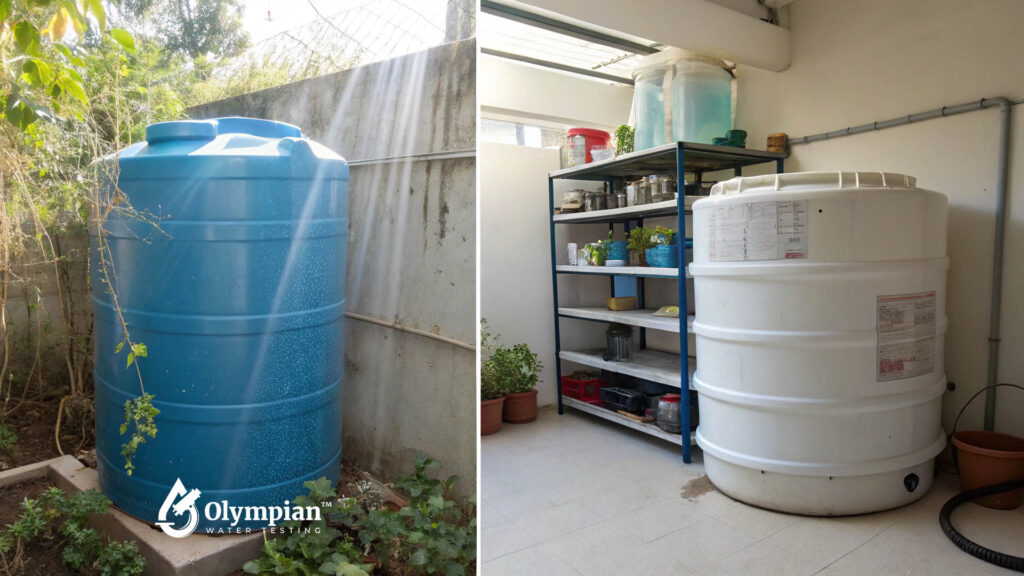
Mistake: Storing distilled water in warm, humid, or sunny areas can degrade the water and affect the integrity of the container. Solution: Store distilled water in a cool, dry place away from direct sunlight, chemicals, or heat sources. This helps preserve both the quality of the water and the integrity of the container.
Why it matters: UV rays from sunlight can break down plastic containers over time, leading to potential leaching of harmful substances into the water, as noted by the Environmental Protection Agency (EPA).
4. Improper Handling with Contaminated Utensils

Mistake: Using dirty hands or non-clean utensils to handle distilled water can introduce contaminants, compromising its purity. Solution: Always use clean, non-reactive utensils to handle distilled water. Avoid touching the water directly, and ensure any equipment or utensils used are thoroughly cleaned before use.
Why it matters: A study published by the World Health Organization (WHO) highlights that contamination from improper handling, including touching water with unwashed hands, is one of the leading causes of compromised water quality.
5. Not Sealing Containers Properly After Opening
Mistake: Leaving containers open or improperly sealed allows contaminants like dust, bacteria, and chemicals to enter the water, diminishing its purity. Solution: After opening a container of distilled water, always ensure it is sealed tightly. If the original seal is broken, transfer the water to a clean, airtight container immediately.
Why it matters: According to research by the U.S. Food and Drug Administration (FDA), unsealed containers allow environmental factors, like bacteria from the air, to contaminate the water, potentially making it unsafe for medical or culinary use.
Conclusion: Safeguarding Distilled Water
Pure distilled water needs to be handled well. If it is kept in proper containers, cleaned and stored in the right conditions, then its integrity can be preserved, making it safe for different uses. However, washing in contaminated water can compromise its purity and render it unfit for consumption or other purposes. It is important to always ensure that the water remains uncontaminated to maintain its quality and safety.
Yes, distilled water is safe to drink. It’s purified through distillation, which removes contaminants like bacteria, minerals, and chemicals. However, because it lacks essential minerals like calcium and magnesium, some people prefer to drink other types of water for daily hydration. If you’re consuming distilled water regularly, make sure to get essential minerals from your diet.
Once opened, distilled water can remain safe for consumption for a long period, typically up to a year, as long as it is stored properly in a sealed, clean container. However, exposure to air or contaminants may affect its quality over time. Always store it in a cool, dry place away from sunlight, and use clean utensils to prevent contamination.
Distilled water does not go bad in the traditional sense, as it doesn’t contain microorganisms or impurities that would typically cause it to spoil. However, if it’s not stored properly, it can absorb contaminants from the air or the container. If the water develops an unusual odor, taste, or appearance, it’s a sign that it may have been contaminated after opening. Always check for signs of contamination and store it properly to maintain its quality.
Concerned About Your Water Quality? Schedule a Test Today!
Even if you’re using distilled water for drinking, your tap water might still be affecting your daily life, from showering to washing dishes. If you’re unsure about the quality of your water, don’t wait for potential issues to arise.
Contact us today to schedule a professional water test and ensure your water is safe for you and your family. Take control of your water quality with expert testing.
Shedule Your Test Now!
Share this on social media:
Facebook
Twitter
LinkedIn

Related Posts