How to Test Your NYC Home for Arsenic in the Water Supply
- Published:
- Updated: December 30, 2024
Listen to this article
Summary
Arsenic contamination poses a significant health risk in NYC’s water supply, but proactive testing and remediation can safeguard your family’s health.
- Arsenic, a naturally occurring element, can lead to acute poisoning and long-term health issues.
- DIY testing kits offer initial screening, but professional testing provides comprehensive analysis and actionable insights.
- If arsenic levels are elevated, consider installing specialized filtration systems and explore government assistance programs for remediation.

Everyday water is your time bomb and you might not even realize it. Arsenic, an element that is naturally present, had appeared in water supplies in the US – New York City was no exception. The health risks from arsenic are too great to be passed over, from acute poisoning to chronic problems such as cancer.
The Basics: What is Arsenic?
Arsenic is a semi-metallic element that exists in the Earth’s crust. The element is used for industry but is an equally noxious environmental poison when present in water supplies. Organic and inorganic arsenic are two different kinds. Organic arsenic is usually harmless, and mainly occurs in fish and shellfish.
Inorganic arsenic, on the other hand, is toxic and the most common type of arsenic in waterways. It can be released into the water by nature, such as by erosion of arsenic-laden rocks, or by man – by mining and by industrial effluent. To learn more about arsenic, and how essential it is to eliminate it from your water, visit the following website.
The Health Risks: Why Arsenic is a Silent Killer

There are acute and chronic diseases caused by arsenic poisoning. When exposed to arsenic in an excessive dose, symptoms such as gas and diarrhoea may occur immediately or death is possible. Conversely, exposure to lower arsenic over time can cause keratin deposits, cancers and heart disease.
The impact of arsenic is especially prone to harm in children. They have developmental problems, low IQs and are at risk for lung and bladder cancer later in life. Especially when the health risks are so high, you don’t want arsenic in your water at all.
New York City: Is the Big Apple at Risk?
There isn’t a spare New York City from arsenic poisoning. The city’s water supply is mostly regulated and treated, but arsenic has been found to have been contaminated before in smaller, unregulated public water sources. The cases are warnings to residents to be vigilant about water quality.
Public officials such as the New York Department of Environmental Protection (DEP) issue water quality reports and guidelines. But as a citizen you’re not able to just look at official bulletins. Preventative testing can be a priceless hedge against contamination.
Legal Limits: What the Law Says
In the US, arsenic in drinking water has a Maximum Contaminant Level (MCL) of 10 parts per billion (ppb) set by the Environmental Protection Agency (EPA). This might sound like a tiny quantity, but high exposure at even lower levels is harmful in the long run. New York State generally follows EPA standards, but some are not so sure.
Internationally, arsenic standards vary. Some have harsher rules, some are more permissive. Since there’s a lot at stake in the case of arsenic, you want to know what the national and international standards are, and possibly go with the strictest possible ones when you test your water.
The DIY Approach: Testing Your Water at Home
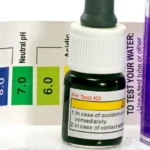
The best way to keep track of your home’s water is through home testing. Online and at home improvement centres, test kits are easily found, which is great news for most of us. They often have clear instructions, and they’re simple enough for anyone who doesn’t have a scientific training to take the test.
When to test: Water quality is affected by the seasons or construction around you.
Types of Test Kits: Strips, digital meters, mail-ins.
Steps for testing:
Sample a water in a clean container.
Use the test strip or machine as directed.
Take notes on results and check against recommended limits.
DIY test: it can be run immediately and is a great way to start.
Professional Testing: When to Call the Experts
DIY kits are a decent start, but they are not perfect. If you have a home where arsenic levels already seem high or the DIY results are worrying, hire professionals. These specialists will not only be able to perform a more thorough analysis but can even make recommendations as to what you can do to solve the issue.
Costs professional water testing can cost you from a hundred to several hundred dollars depending on the detail of the test. But if you take into account the health threats, it’s a good buy for your own safety and that of your family.
Interpreting Results: What the Numbers Mean
Once you get your results, you’ll see numbers such as ppb (parts per billion) or ppm (parts per million). This information is vital to know if your water is safe or not. If it was more than the EPA’s MCL of 10, then your water had arsenic in dangerous levels.
: If your blood test results indicate high arsenic, speak with health professionals for medical recommendations. They can run more tests and give advice about how to minimise risks, and they reinforce the message that numbers aren’t a mere technical exercise; they’re a health concern.
Remedial Measures: What to Do if You Have Arsenic in Your Water
The first thing you need to do is to take action if your water contains arsenic. You can use bottled water to drink and cook in the short term. But this is not sustainable. Prolonged solutions such as putting in special arsenic-removing filters can be more permanent.
Some government organisations provide grants or financial aid for water treatment in affected areas. Check local bulletins and notices for such programs that can pay for the cleaning of your home from arsenic contamination a great deal.
Share this on social media:
Facebook
Twitter
LinkedIn
Next Article:

Related Posts