
The reputation of New York City’s tap water
New York City’s tap water is renowned for its quality, a key factor in the city’s famous pizza and bagels. It consistently ranks high in the U.S. for drinking water quality. The New York City drinking water system, the largest in the U.S., serves nearly 9 million people.
Despite its excellent reputation, concerns about New York City’s tap water quality exist. The Tap Water Database found 22 contaminants, with 8 exceeding the Environmental Working Group‘s (EWG) health limits. Seven are disinfectant byproducts, and hexavalent chromium was found at twice EWG’s guideline. Yet, chromium-6 levels are lower than national and state averages.
The Environmental Protection Agency (EPA) requires annual consumer confidence reports. Yet, these reports often lack detailed contamination information. In contrast, EWG’s Tap Water Database offers a detailed overview of contamination levels. The EPA’s revised reports will not be effective until 2027.
New York City’s tap water is virtually lead-free from the upstate reservoir system. Yet, older homes may have lead pipes and fixtures. Homeowners must maintain their water service line. To reduce lead exposure, residents can use free lead test kits and water filters certified by NSF or UL.
Lead in drinking water poses serious health risks, mainly to infants and children. New York State Law requires blood tests for children at one and two years old. All children aged six months to six years are assessed for lead exposure during well-child visits. Despite these risks, New York City’s tap water remains among the best in the nation. The Department of Environmental Protection (DEP) regularly tests tap water to ensure quality.
Where does New York City’s drinking water come from?
New York City’s tap water, serving over half its population, comes from 19 reservoirs and 3 lakes. About 96% of this water is sourced from the Catskill Mountains and upper Hudson Valley, a 125-mile journey. The remaining 4% comes from the Croton Watershed. These water sources are carefully monitored to ensure a consistent supply for the city’s residents. For those interested in the current status of the reservoirs, staying informed is essential, and you can find the latest information in the nyc water reservoir levels update. This data helps highlight the importance of conservation efforts, especially during dry seasons.

The Kensico Reservoir is the primary source, serving over 8 million New Yorkers. What’s unique is that NYC’s water supply is largely unfiltered. This makes it the largest unfiltered system in the United States.
The Croton, Catskills, and Delaware Watershed

The nyc water sources are mainly from three watersheds: the Croton, Catskills, and Delaware. These watersheds cover over 2,000 square miles, with numerous reservoirs and lakes. They are the backbone of the city’s water supply.
Watershed | Area (sq. miles) | Reservoirs | Contribution to NYC Water Supply |
Croton | 375 | 12 | 4% |
Catskills | 1,600 | 2 | 40% |
Delaware | 1,000 | 4 | 56% |
New York City’s water treatment process
Despite being largely unfiltered, NYC’s water treatment ensures its safety and quality. The water is treated with chlorine, fluoride, orthophosphate, and sodium hydroxide. These treatments disinfect the water, prevent tooth decay, reduce corrosion, and maintain pH levels.
The treatment process also includes rigorous testing and monitoring. The New York City Department of Environmental Protection (DEP) regularly samples and analyzes the water. This ensures it meets federal and state standards, detecting and addressing any contaminants or issues.
The history of New York City’s water supply
The history of nyc water supply traces back to the early 1600s. The Dutch settlement that would become New York City initially relied on local ponds, streams, and wells. As the city’s population grew rapidly, the demand for clean water surged. This prompted the city to seek alternative sources.
In 1842, the city turned its attention to the Croton River in upstate New York. The new york city water system development began with the construction of massive dams and aqueducts. These were built to transport water from the Croton River to the growing metropolis. This marked a significant milestone in the history of nyc water supply, enabling the city to meet the increasing water demands of its residents.
As the city expanded in the early 1900s, it became evident that the Croton River alone would not suffice. The city then looked further north to the Catskill Mountains to supplement its water supply. The new york city water system development continued with the construction of additional reservoirs and aqueducts. This ensured a steady flow of clean water to the ever-growing population.
Year | Milestone |
Early 1600s | Dutch settlement relies on local water sources |
1842 | City turns to Croton River for water supply |
Early 1900s | City expands water sources to Catskill Mountains |
Today, New York City boasts the largest unfiltered water system in the United States. Approximately 90% of its water is sourced from upstate regions. The city receives more than one billion gallons of safe drinking water daily, serving over eight million residents. The New York City Department of Environmental Protection (NYC DEP) manages a vast network of 19 reservoirs and three controlled lakes. This ensures a reliable water supply even during dry periods.
Potential contaminants in New York City’s tap water
New York City’s tap water is generally safe, but it’s not without contaminants. The Environmental Working Group’s (EWG) Tap Water Database shows NYC tap water contains 14 contaminants. Six of these exceed health guidelines, while eight are below them. This raises concerns about the quality and safety of drinking water for residents.

Lead contamination concerns
Lead in NYC water is a significant issue, mainly due to older buildings with lead pipes. Lead contamination has decreased, but it’s a concern for some. The highest lead levels are found in smaller buildings built before 1961. The NYC Department of Environmental Protection offers free water testing kits for residents in affected areas.
Disinfection byproducts: HAA5 and TTHMs
Disinfection byproducts like haloacetic acids (HAA5) and total trihalomethanes (TTHMs) form during water treatment. The ewg tap water database nyc shows total trihalomethanes are the worst contaminants in NYC tap water. These byproducts are monitored and regulated, but their presence highlights the need for constant vigilance in water quality.
Other contaminants identified by the Environmental Working Group
The EWG Tap Water Database also lists other contaminants in NYC tap water, including:
- Hexavalent chromium, a known carcinogen
- Synthetic fibers (microplastics), found in 83% of global tap water samples
- Six carcinogens, all below legal limits
- Fluoride, standardized at 4 ppm in NYC tap water
While these contaminants are monitored and generally within legal limits, their presence stresses the need for regular testing and transparency in water quality reporting.
Tap water quality New York: How clean is it really?

New York City’s tap water is renowned for its quality, with a daily output of almost 1.2 billion gallons. This vast system not only caters to the city’s residents but also supplies 110 million gallons to nearby counties. This accounts for half of New York state’s water needs. Despite its reputation, concerns about nyc tap water pollution levels and contaminants in nyc water persist.
The city’s water system, the largest unfiltered in the U.S., faces challenges in maintaining cleanliness. In December 2021, storms caused organic matter to stir up, leading to high levels of haloacetic acids (HAA5). NYC’s HAA5 levels are typically double the U.S. average, exceeding the Environmental Working Group’s (EWG) safety recommendations by 379 times.
Contaminant | NYC Maximum Detected Level (ppb) | EWG Recommended Maximum (ppb) | Exceedance Factor |
HAA5 | 37.9 | 0.1 | 379x |
HAA9 | 53.5 | 0.06 | 892x |
Total Trihalomethanes (TTHMs) | 38.1 | 0.15 | 254x |
Microbial pollutants like cryptosporidium and giardia have been found in NYC’s water, though no major outbreaks have occurred. The city’s water is moderately hard, resulting from blending soft to slightly hard water from the Catskill/Delaware aqueduct with moderately hard water from the Croton aqueduct.
Despite these issues, New York City’s tap water meets stringent federal standards for PFAS. Sampling results show levels for 29 PFAS chemicals consistently below detectable limits. The Department of Environmental Protection is actively assessing PFAS sources, focusing on the Kensico Reservoir and Kensico Basin.
The impact of aging infrastructure on New York City’s water quality
New York City’s aging water infrastructure faces significant challenges in maintaining high-quality tap water. Despite efforts to ensure safe drinking water, lead pipes and older service lines in many homes raise concerns about lead contamination. The city’s vast network of water mains, over 6,000 miles long, includes many pipes over a century old. This increases the risk of leaks, breaks, and water quality issues.
The New York City Department of Environmental Protection (DEP) monitors water quality at over 1,000 sites across the city’s water supply system. Recent data shows that 95% of water samples tested in NYC meet microbial contaminant standards. Over 90% of residents rely on tap water that meets federal and state water quality standards. Yet, the presence of aging infrastructure and lead service lines continues to pose challenges in ensuring consistently safe drinking water for all New Yorkers.

Lead pipes and service lines in older homes
Though New York City stopped using lead pipes in 1961, hundreds of lead pipes installed before the ban remain, mainly in older homes built in the 1920s and 1930s. A study found that up to 80% of lead contamination in drinking water comes from lead service lines, prevalent in older infrastructure. The city has invested over $1 billion in infrastructure improvements to enhance water quality and reduce contamination risks. Yet, the presence of lead pipes in older homes remains a significant concern.
Recent lead level findings in New York City neighborhoods
In 2018, the New York City Independent Budget Office reported high levels of lead in the water of 12 NYC neighborhoods. A survey by the Natural Resources Defense Council found 360,000 lead service lines delivering water to homes in the state. The table below highlights some of the neighborhoods affected by elevated lead levels:
Neighborhood | Borough | Lead Levels (ppb) |
Ridgewood | Queens | 18 |
Greenpoint | Brooklyn | 15 |
Mott Haven | Bronx | 12 |
Jamaica | Queens | 11 |
The city continues to address lead contamination through infrastructure upgrades and public education.
The presence of lead pipes in older homes and elevated lead levels in some neighborhoods highlight the ongoing challenges posed by aging infrastructure on New York City’s water quality.
New York City’s unfiltered water system: Pros and cons
New York City has the largest unfiltered water system in the United States. It serves around 9 million people with 1.1 billion gallons daily. The water comes from 19 reservoirs and three aqueducts, mainly from the Catskill Mountains and the upper Hudson Valley. It travels about 125 miles to reach consumers. The Kensico Reservoir is the main source for over 8 million residents, with 4% coming from the Croton watershed. The quality of New York City water is often praised for its clarity and taste, attributed to the natural filtration process that occurs in the reservoirs. Additionally, the New York City water systems include extensive infrastructure for distribution and treatment, ensuring that millions of residents have access to safe drinking water. Regular testing and maintenance help uphold the standards that have made this water source a model for urban systems across the country.
The water doesn’t go through a traditional filtration plant. Instead, it naturally filters through forests, swamps, and soils. This natural process helps it meet quality standards in over 90% of cases. The city tests the water more than 600,000 times a year. It’s treated with chlorine, orthophosphate, and food-grade phosphoric acid to control lead and prevent corrosion.
Yet, despite this natural process, the Environmental Working Group (EWG) found 18 potentially hazardous contaminants in NYC tap water. Ten of these contaminants exceed EWG health guideline limits. HAA5 and TTHM levels are 379x and 254x higher than EWG health levels, respectively. Lead contamination is also a concern, with levels often above the FDA standard for bottled water.
Pros | Cons |
Natural filtration process | Presence of potentially hazardous contaminants |
Meets federal and state quality standards in over 90% of cases | High levels of HAA5 and TTHM exceeding EWG health levels |
Extensive water quality testing (600,000+ tests annually) | Lead contamination concerns, specially in older homes |
Treatment with chlorine, orthophosphate, and food-grade phosphoric acid | Presence of an estimated 360,000 lead service lines in New York State |
Chemical treatment of New York City’s tap water

New York City’s tap water, though unfiltered, undergoes a detailed treatment process to guarantee its safety. The water treatment process in NYC employs various chemicals like chlorine for disinfection, fluoride for dental health, and orthophosphate to prevent lead leaching. Sodium hydroxide is also used to adjust the pH level.
The use of these chemicals to treat NYC tap water comes with its own set of challenges. Chlorine, when reacting with water’s organic and inorganic compounds, can form harmful byproducts. These include haloacetic acids (HAA5) and total trihalomethanes (TTHMs), linked to health risks such as cancer.
The growing concern of per- and polyfluoroalkyl substances (PFAS) in drinking water is another issue. Here are some statistics:
- Approximately 50% of U.S. drinking water supplies are located downstream of wastewater treatment sites, which do not effectively remove PFAS compounds.
- PFAS from wastewater is contaminating the drinking water of up to 23 million people in the United States.
- At least 45% of the nation’s tap water is estimated to contain one or more types of toxic PFAS.
- The Environmental Protection Agency began regulating PFAS in drinking water in 2022, setting strict limits on PFOA and PFOS at 4 parts per trillion and three other types of PFAS at 10 parts per trillion.
The table below shows the projected impact of the new EPA regulations on water utilities in New York State:
Water Utilities Affected | Projected Cost | People Benefiting from Reduced Exposure |
300 across New York State | Tens of billions of dollars | 100 million |
Despite the thorough water treatment process in NYC, vigilance about contaminants and byproducts is vital. Continuous monitoring, research, and adaptation of treatment methods are essential. They ensure the safety and quality of New York City’s drinking water supply.
Legal violations and enforcement actions related to water quality
New York City’s water utility has faced legal challenges and enforcement actions due to water quality violations. The most notable case involves the Westchester Joint Water Works (WJWW) Water System. It supplies drinking water to about 120,000 residents in Westchester County. This includes the Town/Village of Harrison, the Village of Mamaroneck, and the Town of Mamaroneck.
The Environmental Protection Agency (EPA) has set a maximum contaminant level of 0.060 mg/L for five regulated disinfectant byproducts known as HAA5. In the first three quarters of 2019, the WJWW Water System had HAA5 levels above this limit. This led to legal action. The defendants must now build a drinking water filtration plant, expected to cost $138 million. They also have to pay a total of $1.25 million in civil penalties, including $600,000 to the United States.
Aside from the federal penalty, the defendants will pay New York $650,000 in civil penalties. They must also spend at least $6,800,000 on two state water quality benefit projects. The Consent Decree requires WJWW to start the filtration plant by July 1, 2029. They must also spend at least $900,000 on a project to improve source water quality.
These nyc water quality violations and the resulting legal actions against nyc water utility highlight the need for strict compliance with water quality regulations. Ensuring public health and safety is critical. As the city tackles these issues, it’s vital for residents to stay informed about their drinking water quality and efforts to improve it.
Climate change and its impact on New York City’s water supply
Climate change is altering our lives in many ways, including New York City’s water supply. The city’s unfiltered water system, once a source of pride, now faces challenges. Rising turbidity levels, caused by extreme weather and changes in precipitation, pose significant threats.
Turbidity, or water cloudiness, increases with climate change. Heavy rainfall and flooding, expected to rise, can make water cloudier. This is a major concern for the unfiltered system, which relies on natural processes to keep water clean.
Rising levels of turbidity in unfiltered water
Climate change is making turbidity in New York City’s drinking water a growing worry. Extreme weather events, more common now, lead to soil erosion and runoff. This brings sediment and particles into the water, raising turbidity levels.
Higher turbidity levels can be dangerous. They may carry harmful bacteria, viruses, and contaminants. In unfiltered systems, these can bypass treatment and reach consumers, risking waterborne illnesses.
Climate Change Impact | Effect on NYC Water Supply |
Increased frequency and severity of flooding | Exacerbates health risks and contributes to more frequent flooding over wider areas |
Extreme precipitation events | Enhances conditions for the spread of invasive species and harmful algae blooms |
Rising sea levels | Increases flooding risk for low-lying coastal areas, impacting drinking water and wastewater treatment facilities |
To combat climate change’s effects on New York City’s water, the city must invest in upgrades and new strategies. This could include advanced filtration, better stormwater management, and watershed protection. By acting now, New York City can ensure safe, clean water for future generations.
Rooftop water storage tanks: A hidden risk?
Many New Yorkers are unaware of a hidden risk on their building rooftops: water storage tanks. These tanks are vital for delivering water to higher floors in NYC. Yet, they have faced scrutiny due to contamination concerns.

A 2014 investigation by the New York Times shed light on these tanks. It found that they might not adhere to the same strict regulations as the rest of the city’s water supply. The study tested 14 tanks and uncovered:
Contaminant | Number of Tanks Affected |
Total Coliform Bacteria | 8 |
E. coli | 5 |
The presence of E. coli, likely from animals like pigeons and squirrels, is alarming. This contamination in rooftop water storage tanks can be dangerous. It poses health risks to those who depend on these tanks for their water.
Despite the NYC Department of Health and Mental Hygiene’s annual inspection and cleaning mandate, enforcement seems to be a problem. The New York Times investigation raises doubts about the current regulations’ ability to safeguard the city’s drinking water.
As more information emerges about the risks of nyc rooftop water tanks, it’s critical for residents to stay informed. They should push for stricter oversight and regulation of these essential water infrastructure components.
Microscopic copepods in New York City’s drinking water
New York City’s tap water, serving over 9 million residents and suburbs, is renowned for its quality. It stands as the largest unfiltered water system in the United States. The NYC Department of Environmental Protection conducts between 500,000 and 600,000 health and quality tests annually. This ensures the water’s safety for consumption. Yet, a lesser-known fact is the presence of microscopic organisms called copepods in NYC’s tap water.
Copepods, tiny shrimp-like crustaceans, are found in nearly all water types worldwide. In NYC’s drinking water, they play a key role in controlling mosquito larvae populations. By consuming these larvae, copepods help maintain cleaner water and reduce mosquito-borne illness risks. Despite their presence in NYC’s drinking water, copepods are not harmful to human health.
The presence of copepods in NYC’s tap water, while beneficial, raises concerns for some communities. The Orthodox Jewish community, for example, considers the water not kosher due to these microscopic creatures. The water is also not considered vegan, as copepods are living organisms. This has prompted some individuals to seek alternative water sources or use filtration systems to remove copepods from their drinking water.
New York City Water Supply Facts | Data |
Daily water supply | 1.2 billion gallons |
Population served | Over 9 million residents and nearby suburbs |
Unfiltered water system status | Largest in the United States |
Annual health and water quality tests | 500,000 to 600,000 |
The presence of copepods in NYC’s drinking water does not indicate poor water quality or pose significant health risks. The city’s tap water consistently meets or exceeds federal and state standards for drinking water quality. This is due to rigorous testing and natural filtration provided by the Catskill, Delaware, and Croton watersheds.
The environmental impact of bottled water consumption in New York City

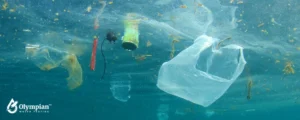
Many New Yorkers choose bottled water over tap water, unaware of its environmental toll. The city’s residents throw away an estimated 1,579,600 pounds of plastic bottles weekly. This contributes significantly to the growing problem of plastic bottle waste in New York City.
The production and transport of bottled water have a substantial environmental impact. A study by the Pacific Institute found that making plastic for water bottles in the U.S. requires 17 million barrels of oil annually. This not only depletes natural resources but also increases greenhouse gas emissions and climate change.
Only about 23 percent of plastic water bottles are recycled in the U.S. The rest end up in landfills, taking up to 1,000 years to decompose. In New York City, the limited landfill space exacerbates the issue. Waste is often transported to other states, further increasing the environmental impact of bottled water consumption.
Statistic | Value |
Plastic bottles discarded by New Yorkers every week | 1,579,600 pounds |
Oil required to produce plastic water bottles in the US annually | 17 million barrels |
Recycling rate for plastic water bottles in the US | 23% |
Time for a plastic bottle to decompose in a landfill | Up to 1,000 years |
To lessen the environmental impact of bottled water in NYC, residents must adopt sustainable habits. Using reusable water bottles and choosing filtered tap water are key steps. These simple actions can significantly reduce plastic bottle waste and contribute to a greener future for the city.
Solutions for ensuring safe drinking water in New York City

New York City is known for its excellent tap water, yet concerns about contaminants like lead and disinfection byproducts persist. Many residents seek solutions to ensure their drinking water is safe. Using water filtration systems is a highly effective method to achieve this goal.
These systems can remove a variety of contaminants, including lead, chlorine, and harmful chemicals like PFAS/PFOs and BPA. The market offers a range of options, from simple pitcher filters to advanced under-sink or whole-house systems. When selecting a system, consider the contaminants you wish to eliminate, your budget, and household size.
LARQ products are a notable choice for effective water filtration. They employ advanced technology to remove contaminants while preserving water quality. LARQ offers two main products for safe drinking water in New York City:
- The LARQ Bottle Filtered, a portable water bottle with a built-in filter for on-the-go use.
- The LARQ Pitcher, a countertop system for filtering larger quantities of water for households or offices.
Both LARQ products utilize a multi-stage filtration process. This process effectively removes a wide range of contaminants, including:
Contaminant | Removal Efficiency |
Lead | 99.9% |
Chlorine | 99% |
PFAS/PFOs | 98% |
HAA5 and TTHMs | 95% |
Heavy Metals | 90-99% |
By investing in larq water filters, New York City residents can ensure their drinking water is safe and clean. While the city works to improve its water infrastructure, individuals can take proactive steps. Filtering tap water at home or on the go is a way to protect health. Additionally, staying informed about the latest nyc tap water quality analysis can empower residents to make educated choices regarding their water consumption. These analyses highlight the potential contaminants in the water supply and emphasize the importance of filtration. By combining awareness with effective water filtration, New Yorkers can enjoy peace of mind knowing their hydration is both safe and healthy.
Upcoming changes to New York City’s tap water taste
New York City residents may soon notice a change in their tap water taste. This is due to a vital repair project on the Delaware Aqueduct. The aqueduct, the longest tunnel in the world at 85 miles, supplies about 50% of the city’s daily tap water. This amounts to roughly 550 million gallons. Residents are being advised that the work may temporarily alter the New York City tap water taste, but officials assure that the water remains safe and clean. As repairs commence, the city is implementing measures to minimize disruption and maintain water quality during this critical maintenance period. Ultimately, the project aims to ensure a reliable water supply for years to come.
Unfortunately, the aging infrastructure has been leaking up to 35 million gallons of water per day. This is equivalent to 50 Olympic-sized swimming pools. To address this issue, the city has initiated a $2 billion repair project.
This project involves constructing a new 2.5-mile bypass tunnel. The project, over 20 years in the making, will require a temporary shutdown of the Delaware Aqueduct for up to eight months. During this time, more than 40 miles of the aqueduct will be out of service. This will necessitate increased reliance on other parts of the city’s reservoir system.
Key Facts | Details |
Daily water supply | 1.1 billion gallons |
Delaware Aqueduct contribution | 50% (550 million gallons) |
Daily water leakage | 35 million gallons |
Repair project cost | $2 billion |
Bypass tunnel length | 2.5 miles |
Shutdown duration | Up to 8 months |
Temporary shutdown of the Delaware Aqueduct
The shutdown of the Delaware Aqueduct is a critical step in the repair process. It allows workers to connect the newly constructed bypass tunnel to the existing aqueduct. The new tunnel, 21 feet in diameter, has a 7-foot thick casing made of cement, concrete, and steel layers.
This tunnel is the first built under the Hudson River in over 60 years. The shutdown is expected to last up to eight months. During this time, the city will rely on other water sources to maintain its supply.
Increased reliance on suburban reservoirs during repairs
To compensate for the reduced flow from the Delaware Aqueduct, New York City will rely more on the Croton Watershed and other suburban reservoirs. The Croton system consists of a dozen reservoirs and three lakes. These will help maintain the city’s water supply during the repairs.
Despite the increased use of these sources, the water taste may change. The presence of minerals and algae could be higher. City officials assure residents that regular water quality testing will continue throughout the project. They ensure that the water will comply with EPA standards.
New York City’s efforts to reduce lead exposure in household plumbing
New York City is aggressively working to cut down on lead exposure from household plumbing. The city’s Department of Environmental Protection (DEP) treats the water supply. They adjust the pH and add orthophosphate to form a protective coating on pipes, reducing lead leaching. Regular tap water testing across the five boroughs ensures the treatment’s effectiveness and monitors lead levels.
The city has also launched a Lead Service Line Replacement Program. This program helps eligible property owners replace their lead service lines. The city has set aside $28 million for replacements in the Bronx, Brooklyn, and Queens. Eligible homeowners can save up to $10,000 on replacement costs, which usually exceed $10,000 per service line. The program focuses on disadvantaged communities, with a median household income threshold of less than $47,600.
Residents can also take steps to lower their lead exposure. Flushing tap water until it runs cold before use is one measure. Regularly cleaning faucet aerators and using certified water filters are other actions. By combining the city’s water treatment, lead service line replacement program, and individual actions, New York City aims to provide safe drinking water for its nearly 10 million residents. The city’s vast water supply system, with 7,000 miles of water mains, tunnels, and aqueducts, supports this effort.