Delving Into New York City's Unique Water Infrastructure
- Published:
- Updated: December 16, 2024
Listen to this article
Summary
New York City’s water infrastructure is a testament to engineering ingenuity, supplying over 8 million residents with clean water. Key points include:
- Historical roots: From early wells to the Croton Aqueduct, NYC’s water system evolved to meet growing demand.
- Remarkable journey: Gravity-fed from over 100 miles away, the water travels through tunnels and reservoirs, delivering over a billion gallons per day.
- Role of reservoirs: Managed reservoirs and watersheds ensure water quality and quantity, with strict regulations protecting against pollution.

Beneath the bustling streets and towering skyscrapers of New York City lies a feat of engineering marvel as equally impressive as the city itself – its water infrastructure. The story of the Big Apple’s water supply is one of engineering genius, resilience, and continuous adaptation to the city’s growing needs. Providing over 8 million residents with a constant supply of clean, fresh water, NYC’s water infrastructure showcases an ingenious blend of natural and man-made systems.
The History of New York City's Water Infrastructure
New York City’s water supply infrastructure has a rich history, tracing its roots back to the early 19th century. The city’s initial reliance on wells and cisterns quickly became inadequate as the population expanded, leading to the development of a more complex system. The inauguration of the Croton Aqueduct in 1842 marked the city’s first significant step towards a comprehensive water supply system. This aqueduct channeled water from the Croton River in Westchester County, leading to the establishment of the city’s first reservoir on 42nd Street.
Over the following decades, NYC’s water supply system continued to evolve and expand, with larger reservoirs being built further from the city to meet its growing demand. The development of the Catskill and Delaware systems in the 20th century marked the creation of the vast water infrastructure that still serves the city today.
Water Supply: The Remarkable Journey

New York City’s water supply journey is an extraordinary tale. More than 90% of the city’s water supply originates from the Catskill/Delaware watershed, located over 100 miles north of the city. This water travels by gravity alone through a network of tunnels and reservoirs to reach the city – a feat of engineering ingenuity that reduces the need for energy-intensive pumping.
Once the water reaches the city limits, it is stored in the Hillview Reservoir, where it is then distributed to consumers across the five boroughs. Remarkably, this system delivers over a billion gallons of water to the city each day.
The Role of Reservoirs and Watersheds
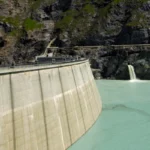
Reservoirs and watersheds play a critical role in NYC’s water infrastructure. The city’s supply system relies on a series of 19 reservoirs and three controlled lakes scattered across the city’s 1,972 square mile watershed. The largest of these, the Pepacton Reservoir, can hold over 140 billion gallons of water. Monitoring the health and capacity of these water sources is essential for ensuring a reliable supply for the population. Regular assessments provide insights into the nyc water reservoir current levels, allowing city officials to plan for potential shortages or necessary conservation efforts. Additionally, the management of these reservoirs impacts the quality of the municipal water supply, making their maintenance a top priority.
These reservoirs and the surrounding watersheds are carefully managed to ensure water quality and quantity. Strict regulations are enforced to protect the watersheds from pollution, while the reservoir levels are meticulously monitored and managed to ensure a constant water supply, even during periods of drought. In addition to regulatory measures, ongoing community education initiatives are implemented to raise awareness about the importance of water management and its impact on local ecosystems. Stakeholder collaboration, including partnerships with environmental organizations, plays a vital role in sustaining these efforts. By emphasizing sustainable practices and encouraging responsible water usage, communities can help safeguard this precious resource for future generations. Moreover, regular assessments of water quality and ecosystem health are conducted to adapt management strategies as needed. The importance of water management extends beyond immediate supply concerns; it also contributes to biodiversity preservation and resilience against climate change. By engaging local residents in stewardship activities, communities foster a deeper appreciation for their water resources and the vital role they play in maintaining ecological balance.
Water Treatment in New York City
NYC comes up trumps the rest when it comes to water purification. Water in the city is of a premium quality because of natural purification that takes place in the watersheds. The city also applies a chain of treatments, such as disinfection, phosphoric acid addition (for pipe corrosion) and ultraviolet light treatment (to destroy any potentially pathogenic microorganisms).
What’s more, the city’s water is monitored regularly for compliance with (or overrides) federal and state water quality standards. Laboratories test the city’s water for more than 600,000 contaminants every year in laboratories testing for more than 250 of them.
Distribution System: How Water Reaches Every NYC Household
It is no small matter to bring water to every single household in NYC. The water distribution system is the city’s vast network of pipes, tunnels and controlling reservoirs that pipe water to all of the five boroughs. This grid keeps water flowing whether for family use, for fire-fighting or to maintain the city’s renowned fountains.
The water lines, some of which are more than 100 years old, take the water from the reservoirs into the city and pump it around. They go to smaller pipes that supply each home and allow the access to clean, fresh water just a faucet pull away.
Infrastructure Maintenance and Challenges
Maintaining NYC’s vast water network is a daily process with a lot of hurdles. The older infrastructure, the leaks, and construction/emergency closures are some of the things the city always has to deal with. The city’s Department of Environmental Protection oversees this elephant in the room, policing more than 6,800 miles of water mains and so much else.
The city is also doing some major construction to improve the water system’s durability and capacity besides routine maintenance. : such as the City Water Tunnel No. 3 which is the big new one that will help maintain the city’s water supply for generations to come.
Sustainability and Conservation Efforts
NYC is following other cities around the world’s example and prioritizing sustainability and conservation in their water infrastructure. The main projects here are:
Making water use more efficient through a program such as the Toilet Replacement Program where rebates are given to consumers who want to replace outdated, inefficient toilets.
green infrastructure projects – Stormwater management, less reliance on the sewer system, and better water quality.
Encourage residents to use less water by running public education programs and offering resources for leak detection and repair.
These measures are not just a water-save for the city, but they’re also more generally green and sustainable.
What is the future of New York City's water infrastructure?
In the long run, NYC’s water system is only going to get better. The city will focus on water management with innovations, sustainability and resilience. The future will see more green infrastructure, new initiatives to reduce water use and waste, and research on technologies for water treatment and delivery.
Aside from that, climate change and its implications for water supplies and quality is going to be of central concern. New York City is in the midst of working out solutions to address those issues so that New York’s water supply can be reliable and healthy regardless of what comes next.
Share this on social media:
Facebook
Twitter
LinkedIn