Evaluating the Effects of Water Pollution on Marine Ecosystems through Testing
- Published:
- Updated: December 16, 2024
Listen to this article
Summary
Water pollution threatens marine ecosystems, requiring testing to understand its impact:
- Pollution sources include agricultural runoff, industrial discharge, and sewage treatment.
- Pollution harms marine habitats, reduces reproductive success, increases mortality rates, and disrupts food webs.
- Testing identifies pollutants, monitors effectiveness of pollution control measures, and informs regulations.

Water pollution is a pernicious problem for marine ecosystems and testing is an important measure to assess how much effect it is having. Tests are crucial to understand the impact of water pollution on marine ecosystems, from water quality to the health of marine animals. By regularly assessing and reporting on the outcome, individuals and organisations can understand better what our oceans are up to and what can be done to ensure that they’re safe from the damaging effects of water pollution.
What is Water Pollution?
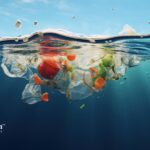
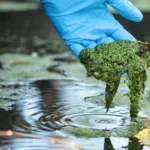
Water pollution is the presence of contaminants in water that are polluting to the environment and health. Water pollution can originate in all directions – from farm effluent, from factory discharge, from sewage treatment plants. : Nitrates, toxic chemicals, heavy metals and bacteria are some of the most widespread contaminants present in water. They are toxic in ways that can be devastating to marine ecosystems: habitat loss, lower fertility and death.
The Effects of Water Pollution on Marine Ecosystems

The effects of water pollution on marine ecosystems can be far-reaching and long-lasting. Some of the most significant effects include:
- Habitat destruction: Water pollution can cause the destruction of important habitats for marine life, such as coral reefs and seagrass beds. These habitats provide crucial shelter, food, and breeding grounds for many species of marine life.
- Reduced reproductive success: Water pollution can also reduce the reproductive success of many species of marine life. For example, exposure to toxic chemicals can interfere with the development and survival of eggs and larvae.
- Increased mortality rates: Exposure to pollutants can also increase the mortality rates of marine life, particularly for species that are sensitive to environmental stressors.
- Changes in food webs: Water pollution can also alter the food webs of marine ecosystems, leading to changes in the populations of different species and reducing overall ecosystem health.
The Importance of Testing for Water Pollution
Testing for water pollution is essential for understanding and mitigating the effects of water pollution on marine ecosystems. By testing for pollutants, it is possible to identify the sources of pollution and take appropriate action to reduce or eliminate them. There are a variety of testing methods available, including laboratory analysis and on-site testing. Laboratory analysis provides the most accurate results, but on-site testing is often faster and more convenient.
Testing for water pollution can also help to monitor the effectiveness of pollution control measures. For example, by testing water before and after the implementation of new pollution control measures, it is possible to determine the impact of these measures on water quality and the health of marine ecosystems. Regular water testing can also provide a baseline for comparison over time, allowing for early detection of changes in water quality and the health of marine ecosystems.
The Role of Government in Addressing Water Pollution
Governments play a crucial role in addressing water pollution and protecting marine ecosystems. They can enforce regulations and laws that ensure the safe discharge of pollutants into water and promote the use of best practices for pollution control. For example, they can require industries and sewage treatment facilities to meet certain standards for water discharge and they can enforce penalties for those who violate these standards. Governments can also provide funding for research and development of new technologies to reduce water pollution and protect marine ecosystems.
In addition, governments can educate the public about the importance of reducing water pollution and protecting marine ecosystems. They can also work with local communities to develop programs and initiatives to reduce water pollution and promote the health of marine ecosystems. By working together, governments and communities can help to reduce water pollution and ensure the health and survival of marine ecosystems for generations to come.
What are the Importance of Sustainable Practices for Reducing Water Pollution?
Sustainable practices are essential for reducing water pollution and protecting marine ecosystems. By reducing waste and promoting the use of clean, renewable energy sources, it is possible to reduce the amount of pollutants released into water and prevent damage to marine ecosystems. Some of the most effective sustainable practices for reducing water pollution include:
- Reducing the use of single-use plastics: Single-use plastics are a major source of water pollution and can have serious consequences for marine ecosystems. By reducing the use of single-use plastics, it is possible to reduce the amount of plastic pollution in the ocean and protect marine life.
- Supporting sustainable agriculture: Agricultural runoff is a major source of water pollution, particularly in areas with intensive agriculture practices. By supporting sustainable agriculture practices, it is possible to reduce the amount of pollutants released into water and protect marine ecosystems.
- Promoting the use of clean, renewable energy: The use of fossil fuels is a major source of water pollution, particularly through the release of toxic chemicals and heavy metals into water. By promoting the use of clean, renewable energy sources, it is possible to reduce water pollution and protect marine ecosystems.
By adopting sustainable practices, it is possible to reduce water pollution and protect marine ecosystems. By working together, individuals, communities, and governments can help to ensure the health and survival of marine ecosystems for generations to come.
The Importance of Public Awareness and Involvement
Water pollution and marine habitats need the public’s attention and participation. When the public is aware of the threat posed by water pollution and why it is important to reduce it, public support can grow for water pollution reduction and marine ecosystem protection. We can all take water pollution responsibility at home as well by avoiding single-use plastics and supporting sustainable business.
Public members can also join the fight against water pollution. For instance, they can join citizen science projects that gather data on water quality and marine ecosystem health. It is from this data that we can find trouble spots and do what we need to do in order to limit water contamination and save marine life. Collectively, citizens and policymakers can halve water pollution and sustain marine ecosystems for generations to come.
Share this on social media:
Facebook
Twitter
LinkedIn

Related Posts