
Reasons swimming pool has blue water
- Published:
- Updated: August 3, 2025
Listen to this article
Summary
The blue color of pool water is primarily caused by the scattering of light, where shorter blue wavelengths are dispersed more than longer red ones. Water depth, pool liner color, and copper compounds also contribute to the hue. Proper pool maintenance, including chemical balance and effective filtration, helps preserve the blue appearance and water clarity.
- The blue color of pool water is due to the scattering of light and the pool’s depth.
- Copper compounds and proper chemical balance can enhance or affect the blue tint.
- Regular maintenance, including balancing chemicals, cleaning filters, and managing environmental factors, is essential for maintaining a blue and clear pool.

The allure of a swimming pool lies in its inviting blue water. It’s a sight that promises refreshment and relaxation. But have you ever wondered why swimming pool water is blue?
The color of your pool water is not just about aesthetics. It’s a complex interplay of light, water chemistry, and pool maintenance.
Understanding the reasons behind the blue color can help you maintain the water quality. It can also provide insights into potential issues that may arise.
In this article, we’ll explore the science behind blue swimming pool water and the role of pool maintenance in preserving this appealing hue.
The Science Behind Blue Swimming Pool Water
The blue color of swimming pool water is primarily due to light behavior. When sunlight enters the water, it interacts with the water molecules. Shorter blue wavelengths are scattered more than the longer red wavelengths. This scattering makes the pool water appear blue to our eyes.
However, the pool’s depth also influences how blue it looks. In deeper pools, light travels further, enhancing the blue tint. Furthermore, the presence of a white pool liner or finish can intensify this effect. It reflects the blue light more vividly, contributing to the shimmering appearance.
Additionally, water chemistry plays a significant role. Copper compounds in the pool can sometimes add a blue or green tint to the water. Proper chemical balance is vital to maintain the desired color. High chlorine levels can make the water appear clearer and even bluer. Moreover, managing water chemistry effectively can lead to healthier pool sanitation options, reducing the reliance on harsh chemicals. Ensuring that pH levels and alkalinity are within optimal ranges supports not only the aesthetics of the water but also promotes overall swimmer safety. Regular testing and adjustments can drastically enhance the swimming experience while minimizing maintenance efforts.
In summary, the blue hue is a combination of physics and chemistry. Understanding these elements helps in effective pool maintenance.
Common Myths vs. Facts About Blue Pool Water
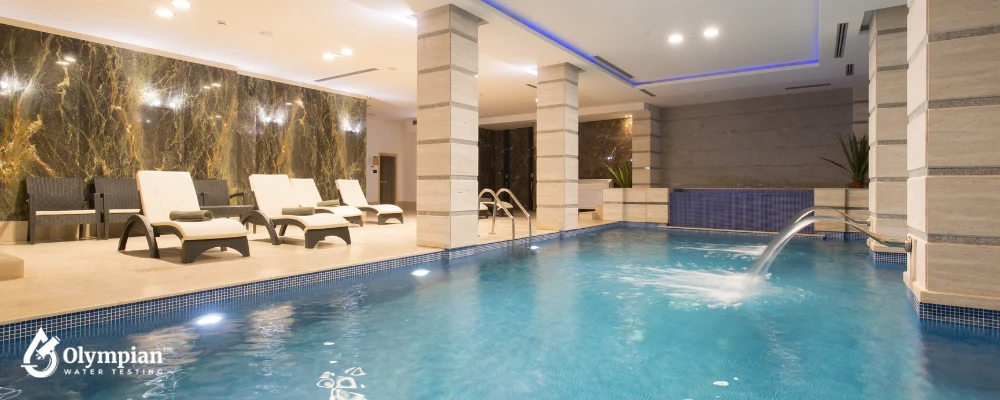
There are several misconceptions about why pool water appears blue. Some believe that pool water is treated with dyes to achieve this color. Others think that it’s purely a design choice. It’s important to clarify these myths with facts.
Myth vs. Fact List
Myth: Pools are dyed blue to make the water appear that way.
Fact: The blue appearance is due to light scattering and reflection, not added dyes.Myth: The sky is the sole reason pool water looks blue.
Fact: While the sky does influence the color, water depth and clarity play significant roles.Myth: Clear water always appears blue.
Fact: Depending on pool liners and chemical balance, clear water can look blue or even greenish.
Understanding these myths helps pool owners better appreciate the science behind the water’s appearance. Proper chemical balance, rather than dyes, ensures the vividness of pool water. Discerning fact from fiction allows for effective pool maintenance and management.
The Role of Pool Maintenance in Water Color
Pool maintenance is crucial in maintaining that inviting blue hue. Without regular care, water clarity can suffer. Proper maintenance ensures that chemical levels are balanced and contaminants are kept at bay.
Chlorine plays a pivotal role in water color management. It’s responsible for killing bacteria and maintaining clarity. However, too much or too little can affect the water’s appearance.
Besides chemicals, cleaning routines also influence water clarity. Regular skimming and vacuuming remove debris, which can otherwise lead to cloudiness.
Algae is another factor that can turn water green. Its presence can be deterred through consistent maintenance and treatment.
Brushing the pool’s walls and floor can prevent algae from taking hold. By disturbing their growth, you help maintain the desired water color.
Backwashing and rinsing filters are essential practices. Clean filters ensure that water circulates without obstruction. This promotes a clear and vibrant pool.
Water testing should be performed consistently. It helps monitor water conditions and guide any necessary adjustments.
A disciplined maintenance schedule is the backbone of a beautiful pool. It prevents unforeseen issues that can mar water quality.
In essence, diligent maintenance safeguards the pool’s inviting appearance, ensuring enjoyment for all.
Chemical Balance and Water Clarity
The chemical balance in a pool is vital for sustaining water clarity. pH levels must be carefully monitored to prevent cloudiness. Ideal pH levels range from 7.2 to 7.8 for optimal conditions.
Chlorine and cyanuric acid levels also require attention. Too much chlorine can cause irritation, while too little can promote contamination. Cyanuric acid protects chlorine from UV degradation, ensuring its efficacy.
Total alkalinity acts as a buffer for pH levels. Maintaining it between 80 and 120 ppm helps prevent fluctuations in water chemistry. This stability is key for water clarity and color.
Calcium hardness prevents corrosion and scaling. Both of these can affect pool surfaces and, subsequently, water clarity. A balanced level also reduces clouding due to mineral deposits.
Achieving chemical balance is an ongoing process. Regular testing and adjustments help keep pool water sparkling and blue.
Filtration and Circulation Systems

Filtration systems are integral to maintaining clear, blue pool water. They remove particulate matter that can cloud the water. Effective filtration ensures debris doesn’t linger in the water.
Proper circulation aids in even distribution of chemicals. This ensures every corner of the pool receives treatment, preventing stagnant areas.
Pools with good circulation discourage algae growth. Algae often thrive in still or poorly circulated water.
Checking the pump and filter regularly is essential. Malfunctioning equipment can lead to poor water quality and reduced clarity.
Investing in efficient filtration and circulation systems pays dividends. They lay the groundwork for consistently blue and inviting pool water.
The Impact of Environmental Factors
Environmental factors can greatly influence pool water color. Sunlight affects how the water appears, impacting both reflection and absorption.
Organic debris, such as leaves or pollen, can introduce cloudiness and alter water chemistry. Regular cleaning mitigates these effects.
Wind and weather bring in dust and pollutants. These can affect both the chemical balance and clarity of the water. Protecting your pool with covers during adverse weather can help.
Local water sources used for filling also play a role. Differences in mineral content can influence initial pool water quality.
Being aware of the environment’s effects helps with proper pool care. It ensures the water remains clear and vibrant, despite external influences.
Addressing Cloudy Blue Water Issues
Cloudy blue pool water can be frustrating for pool owners. This murkiness often results from imbalances in water chemistry. Additionally, suspended particles and debris contribute to the cloudiness.
Addressing these issues requires a systematic approach. Start by testing the water to identify imbalances. Focus on pH, chlorine, and alkalinity levels as common culprits.
Use clarifiers as a practical solution. They help coagulate tiny particles, making them easier to filter out. Another method involves backwashing or cleaning the pool filter to remove trapped debris.
Moreover, consider performing a shock treatment. This process eliminates organic contaminants that might cloud the water. Remain vigilant in your maintenance routine to prevent cloudiness from reoccurring.
Regular Pool Testing and Adjustments

Regular pool testing is the cornerstone of effective water maintenance. It provides insights into the current state of the water. Use testing kits to examine pH, chlorine, and total alkalinity levels.
Frequent testing helps catch potential issues early. It allows for prompt adjustments, preventing problems from escalating. Consider testing at least once a week to maintain optimal conditions.
Based on test results, make necessary chemical adjustments. This might include adding chlorine or balancing pH and alkalinity levels. Always adhere to the recommended dosage when applying chemicals.
Besides chemical balance, check physical aspects of pool maintenance. Inspect and clean the filtration system to ensure effective water circulation. Consistent testing and timely adjustments ensure a clean and inviting pool environment.
Enhancing the Aesthetic Appeal of Blue Water
Creating a visually appealing blue pool goes beyond basic maintenance. Strategic use of lighting can enhance the water’s blue tint. Underwater lights or surrounding landscape lights can create a stunning effect.
Additionally, design features like tiles or liners with blue hues enhance the pool’s natural color. Choosing complementary colors for nearby structures or accessories can amplify this visual impact.
Regular skimming and cleaning also maintain the water’s pristine appearance. Removing debris keeps the pool clear and boosts its aesthetic allure. A consistently maintained pool invites enjoyment and enhances the property’s overall appeal.
Professional Water Testing and Consultation
For persistent water color issues, professional testing offers precise insights. Specialists use advanced tools to assess chemical balances accurately. Engaging professionals ensures problems are diagnosed quickly. In addition to identifying contaminants, laboratory water testing can reveal the presence of harmful microorganisms that might not be detectable through standard assessments. By relying on expert analysis, homeowners can make informed decisions about necessary treatments and maintenance to improve water quality. Ultimately, this proactive approach helps safeguard health and enhances the overall safety of water supply systems.
Consulting with experts can streamline pool maintenance efforts. Their experience aids in identifying complex issues, offering tailored solutions. This approach saves time and resources in the long run.
Professional advice helps maintain consistent water quality. Reliable consultations ensure your pool remains inviting and visually appealing. Choose a trusted pool service for ongoing quality assurance.
Conclusion: Maintaining the Perfect Blue
Achieving the desired blue in pool water involves understanding and effort. Consistent maintenance and monitoring are key components. Balancing chemistry and addressing issues promptly enhances water clarity.
A proactive approach prevents common problems. Regular testing and adjustments maintain the chemical harmony required. This ensures the inviting blue appearance remains consistent throughout the season.
In summary, a well-maintained pool reflects beauty and serenity. By embracing best practices, pool owners can enjoy clear, blue water effortlessly. A dedicated plan will result in a stunning swimming oasis year-round.
Share this on social media:
Facebook
Twitter
LinkedIn