
What Is the Structure of New York City’s Water Supply System
The New York City water supply spans from upstate to local faucets, supported by a vast network of reservoirs and tunnels. Its design leverages gravity to push water through pipes and aqueducts, eliminating the need for mechanical pumping. This method enhances efficiency and maintains water flow without constant electric power.
Engineers utilize the Croton, Catskill, and Delaware Aqueducts to connect reservoirs to the city’s needs. The Croton was the first, with expansions in Catskill and Delaware adding more capacity and protection. These additions have strengthened the system, ensuring a reliable water supply for the city.
The NYC watershed infrastructure showcases the balance between multiple sources. Water travels through extensive underground tunnels before reaching homes, businesses, and public facilities. City planners continually refine these connections to guarantee safe and consistent delivery. This highlights the remarkable ingenuity behind the system. Technological advancements play a crucial role in optimizing the New York City water systems, allowing for real-time monitoring and maintenance of water quality. Furthermore, ongoing community engagement ensures that residents are aware of and contribute to the sustainability of these vital resources. As urban demands grow, the resilience of this infrastructure will be pivotal in safeguarding the city’s water future.
Why Are Reservoir Levels So Critical for the City
Urban water supplies rely on balanced reservoir capacity for clean and dependable service. Gradual declines in storage make it harder to dilute pollutants. For example, the Biliuhe reservoir’s levels dropped from 65.37 m to 54.15 m. This led to higher concentrations of total phosphorus and ammonia nitrogen.
In Florida’s Everglades, stable levels safeguard drinking supplies for millions. Restoration efforts protect water infrastructure from saltwater intrusion, which harms pipelines and poses public health risks. The Everglades Agricultural Area Reservoir Project addresses these threats by holding and filtering contaminated runoff.
Impact on Public Health
Optimal reservoir levels prevent pathogens from thriving in untreated water. Adequate volumes ensure chlorination and UV treatment work effectively. When levels drop, harmful substances become concentrated, elevating public health risks.
Influence on Infrastructure Maintenance
Steady storage supports timely upkeep on dams and tunnels. Crews rely on extra capacity to plan repairs without cutting off service. If reservoir capacity continues falling, engineers face challenges that disrupt daily life and strain water infrastructure.
How Did New York City’s Reservoir System Develop Over Time
In the early 1800s, city planners realized the need for a dependable water source. They initiated the first Croton Aqueduct in 1842, marking a significant milestone in NYC’s water history. This achievement reduced the risk of contaminated wells, providing a safer alternative for drinking and bathing.
The early 1900s brought the sprawling Catskill system, tapping remote mountain regions for abundant water reserves. In 1944, the Delaware Aqueduct was completed, further bolstering the city’s water supply. Each development added to a broader network, addressing the growing demand for water.
The Croton Aqueduct remained a vital component throughout these periods. It played a key role in shaping the modern system that serves millions today. This evolution is a testament to how large-scale engineering has kept pace with the city’s growth. Now, NYC enjoys a robust reservoir system, the result of centuries of adaptation.
Which Factors Affect Water Availability
Weather changes and human actions significantly impact water availability. Climate change alters storm formation and intensifies runoff. This affects the flow into reservoirs over time.
Changing Rainfall Patterns
Rainfall variability affects how much water reaches each watershed. In suburban areas, road salt use increases reservoir salinity during heavy runoff. This requires monitoring precipitation trends and substances used on highways.
Urban Development Pressures
Land-use changes, like expanded construction, redirect stormwater from natural recharge zones. Urban development adds paved surfaces, speeding runoff and carrying pollutants into water sources. Planners and engineers work together to balance community growth with watershed protection.
How Do Engineers Monitor and Control Reservoir Levels
Robotic buoys collect millions of data points on temperature, pH, and microbial content. This continuous monitoring keeps experts informed 24/7. The City’s Bureau of Water Supply uses this data to manage water distribution and protect water quality.
Operators use a Supervisory Control and Data Acquisition system, or SCADA, to adjust flows. This system balances multiple storage sites. It combines real-time data with predictive models from a sensor-based approach. It alerts teams to quick action when demand or environmental conditions change.
These engineering solutions are key to stable water management. A structured set of protocols clarifies daily operations. The outcome is a system that adapts quickly to changes. This ensures steady water supply for millions of residents.
What Do Daily Consumption Trends Look Like
New York’s water system delivers between 1.2 and 1.5 billion gallons each day. Daily usage shifts as public habits develop and environmental conditions change. Water consumption trends steer decisions about maintaining a reliable supply.
Some communities track these patterns to gain insight into peak needs and to identify ways to minimize waste. This information helps ensure that basic services and overall infrastructure remain intact.
Residential Water Use
NYC residential water covers drinking, meal preparation, and personal hygiene. Households often face higher consumption during warm weather, when cooling systems and more frequent showers boost overall demand. Step-by-step conservation habits, such as quicker showers and prompt leak repairs, sustain reservoir levels. Additionally, the quality of NYC tap water is renowned for its clarity and taste, often touted as one of the best municipal water supplies in the country. Many residents and visitors alike wonder, “can you drink New York tap water,” and the answer is a resounding yes, as it meets rigorous health and safety standards. Ensuring the sustainability of this precious resource is crucial, not only for everyday use but also for maintaining the overall health of the city’s ecosystems. Efforts to protect and preserve New York’s water supply include stringent regulations and ongoing infrastructure improvements. Residents are encouraged to stay informed about local advisories to ensure safe consumption. This prompts the frequent question, “can you drink New York water,” which is confidently answered with yes, reinforcing the city’s commitment to providing high-quality drinking water for all. Residents may also notice slight variations in taste depending on their specific neighborhood, leading to discussions about the ‘New York City water flavor differences.’ These differences can be attributed to factors such as the proximity to water sources and the treatment methods used at local facilities. As a result, many locals take pride in their unique water experience, celebrating it as part of the city’s rich character.
Commercial and Industrial Demands
Commercial water use includes offices, retail establishments, and food-service providers. Industrial sites typically handle the highest volume, with manufacturing being a major contributor. Storage facilities and advanced monitoring methods keep vital operations running while helping to balance usage with environmental needs.
Category | Estimated Daily Volume | Key Factors |
Residential | 50–70 gal/person | Showering, cooking, cleaning |
Commercial | Varies by sector | Customer service, facility upkeep |
Industrial | Larger-scale needs | Production processes, cooling systems |
How Do Seasonal Changes Influence Water Storage
New York City’s water supply heavily depends on spring snowmelt and rainfall patterns. The warmer months often bring drier spells, increasing the need for seasonal reservoir management. Engineers carefully plan water releases to mitigate flood risks during peak meltwater periods. They also aim to maintain stable water levels during dry intervals.
In winter, with less snowfall, water flows decrease, prompting city officials to closely monitor precipitation variations. These seasonal changes impact reservoir turnover, water temperature, and treatment needs. By tracking these variations, the Department of Environmental Protection ensures a balanced supply across all boroughs.
Season | Key Focus |
Spring | Snowmelt and targeted water releases |
Summer | Preventing drought and managing supply |
Winter | Tracking snowfall levels and reservoir levels |
What Role Do nyc reservoir levels Play in Long-Term Planning
nyc reservoir levels are key to the city’s long-term vision for water needs and infrastructure. Water managers carefully evaluate local conditions to ensure reservoirs can support growth and maintain reserves. The goal is to keep these levels stable, catering to a growing population without overtaxing resources.
Infrastructure Extensions
Modern water security relies heavily on infrastructure repairs and upgrades. The Delaware Aqueduct repair project is vital, aiming to seal leaks and protect water flow. The construction of Water Tunnel No. 3 further boosts reliability by providing an alternate route during maintenance.
Project | Purpose | Status |
Delaware Aqueduct Repairs | Leak containment | Ongoing |
Water Tunnel No. 3 | Backup supply | In progress |
Emergency Preparedness
Reservoir stability is a cornerstone of every long-range water resources plan. A balanced system ensures an emergency water supply during extreme conditions or infrastructure failures. This critical reserve protects hospitals, industries, and homes, safeguarding daily life against any challenges.
Who Regulates Water Quality and Standards
Many city residents ask who makes sure the water is safe for us to use. Behind the scenes, several NYC regulatory agencies work tirelessly to ensure water quality meets standards. The Department of Environmental Protection (DEP) is at the forefront, managing daily operations. They protect reservoirs from pollutants and check if they follow federal rules.
The DEP’s teams collect samples, monitor reservoir levels, and watch over the distribution systems. This ensures the water remains pure and consistent for everyone.
The Municipal Water Finance Authority (NYW) focuses on the financial side. It funds essential upgrades to keep the system running smoothly. The Water Board, on the other hand, determines how much consumers pay for water. This ensures there’s enough money for upkeep and improvements.
These agencies work together to meet public needs while keeping costs in check. Their efforts are vital for maintaining a reliable and safe water supply.
For more information on water quality, visit reservoir operations. Keeping a close eye on water quality is essential. It protects our health and builds trust in the system. Effective water management is crucial for sustaining ecosystems and ensuring that future generations have access to clean water. Additionally, understanding the importance of water management allows communities to advocate for policies that prioritize the conservation and protection of this vital resource. By working together, we can enhance water safety and promote a healthier environment for all. Investing in infrastructure and technology that support the importance of water management ensures that we can efficiently monitor and maintain water resources. Education and community involvement play significant roles in fostering a culture of conservation and responsibility. By raising awareness about the importance of water management, we empower individuals and organizations to take meaningful action in safeguarding this precious resource.
Regulatory Entities | Key Responsibilities |
Department of Environmental Protection | Oversees water source protection and ensures federal guideline compliance |
Municipal Water Finance Authority | Secures funding for critical infrastructure and system improvements |
Water Board | Sets water rates and maintains financial sustainability |
How Does Climate Change Impact Reservoir Management
State agencies have expanded watershed protection programs to keep salinity in check and reduce nutrient runoff. Rising global temperatures draw attention to how human demand on water systems intensifies, when natural supplies dwindle. Many experts point out that this shift could threaten water quality and heighten reservoir evaporation risks. Communities in New York now see similar patterns that have already led to salinity increases in the Croton System, spurring new strategies for safeguarding water reserves.
Nature-based solutions have emerged as practical tools to address extreme weather patterns. Recent floods in European cities illustrate how floodable parks, green roofs, and temporary lagoons help slow and absorb rapid flows. Engineers in urban centers have taken note, as failing to manage heavy rainfall can trigger contamination and damage water infrastructure. Balancing these new ideas with established methods can protect public health while adapting to climate change.
Rising Temperatures and Evaporation
Hotter conditions speed up reservoir evaporation, as drier air holds more moisture. Manhattan’s water operators have seen that higher temperatures lead to faster loss of stored water. Reduced precipitation amplifies the strain on supplies, raising demand across urban and agricultural sectors alike.
Stormwater Management Challenges
Stronger downpours test stormwater management systems, as heavier runoff carries extra pollutants into reservoirs. Large inflows can overwhelm infrastructure, prompting controlled releases that may reduce effective storage. Ongoing monitoring helps water managers address these hazards before they escalate, safeguarding consistent access for the city’s residents.
Why Should Residents Care About Conservation
Many people may not realize the impact of their local actions on valuable resources. Road treatments can increase salt levels in waterways, threatening supplies like the Croton System. This risk grows when reserves fall below average.
Practicing responsible water usage is a moral duty to current and future communities. Turning off faucets, reporting leaks, and cutting down on unnecessary use help maintain quality. It also boosts the city’s resilience against environmental changes.
- Close the tap while washing dishes or brushing teeth
- Install fixtures designed for efficient flow rates
These steps ease pressure on reservoirs and reduce the salt content threat. Embracing water conservation lets each household support long-lasting supplies. This ensures a safer foundation for daily life and public health.
Conservation Method | Positive Impact |
Repair Plumbing Issues | Reduces waste and lowers costs |
Use Rain Barrels | Preserves treated water for essential use |
Choose Native Plants | Requires less watering year-round |
Which Strategies Help Maintain Sustainable Water Sources
Keeping clean water flowing requires innovative solutions. New York City is leading the way with green infrastructure and practical solutions that benefit local ecosystems. Projects like the Croton Filtration Plant upgrades show steady progress. Reducing road salt usage also helps keep water bodies healthy.
Leaders are pushing for sustainable water strategies through education and policy changes. Sensors now guide salt application, reducing chemical runoff. This effort protects reservoirs from saltwater intrusion and ensures water quality. Residents enjoy better-tasting water and lower maintenance costs.
Rainwater Harvesting
Rooftops and collection barrels can collect rainfall for gardening or other non-potable uses. This method reduces the strain on centralized water supplies. Homeowners save money by using less tap water.
Upgrading Infrastructure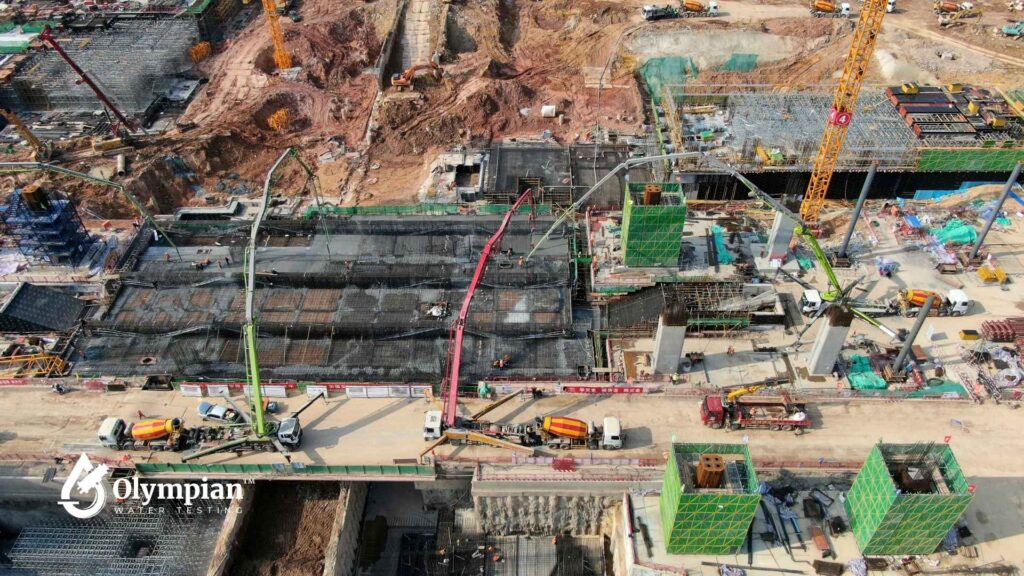
Fixing old pipes and modernizing equipment cuts down on leaks and contamination risks. Funding supports the installation of stronger valves and advanced monitoring tools. These upgrades keep treatment sites efficient and prepare for future needs.
These sustainable water strategies strengthen the city’s reservoirs and protect the environment. Continuous investments in green infrastructure ensure a balanced approach. Both nature and neighborhoods benefit from these efforts.
Approach | Benefit | Real-World Example |
Rain Gardens | Slows runoff and filters pollutants | Part of city’s green infrastructure |
Pipe Replacement | Reduces leaks and contamination | Citywide upgrades at key distribution lines |
Smart Salt Spreading | Minimizes harmful runoff | Sensor-guided methods on major roads |
How Are Questions from Residents Addressed
The city fosters open dialogue on NYC water resources. It provides regular updates through public bulletins and online dashboards. These platforms share reservoir data and ongoing projects, ensuring transparency.
Experts at the NYC Department of Environmental Protection offer tips on water usage. They do this through live broadcasts and written guides. These efforts aim to promote shared accountability in preserving clean water.
Channels for Public Inquiry
Residents can access information directly through hotlines, virtual Q&A sessions, and contact forms on official websites. Local announcements highlight updates on reservoir levels. USGS links provide near real-time figures for greater awareness. This ensures neighbors can stay informed.
Community Engagement Programs
Interactive workshops promote water education and guide households on efficient consumption. School visits foster early awareness of responsible usage. Neighborhood events focus on spring and summer conservation goals.
Method | Overview |
Online Portals | Real-time statistics and forthcoming improvement projects |
Local Forums | Community gatherings with Q&A sessions and resource demos |
How Does the City Balance Ecosystem Needs with Urban Demand
The city enforces strict watershed rules to curb development, ensuring water quality and habitat preservation. Over 130,000 acres of forests, wetlands, and other critical zones have been secured through land acquisition programs. Wetlands act as natural filters, trapping pollutants and sediments before they reach larger waterways. This approach maintains water quality and prevents the spread of invasive species.
Planners adjust water releases from reservoirs to support riparian habitats and fish migration. These adjustments mimic natural river conditions, promoting vegetation along riverbanks. This strategy enhances biodiversity and meets urban water usage needs. Through collaboration, local governments, environmental agencies, and community groups achieve balanced land use, cleaner water, and a sustainable future for wildlife and residents alike.
- Enforce zoning regulations around wetlands
- Minimize nutrient runoff through sustainable agricultural practices
- Coordinate reservoir releases for habitat preservation
Ensuring a Continuous Water Future for the City
The city is committed to large-scale projects, like the completion of Water Tunnel No. 3 by 2032. This investment boosts water security. It also allows for the upkeep of older tunnels, ensuring infrastructure remains vital.
Advanced treatment methods are in place to support a reliable system. This system meets strict quality standards, providing clean water for all.
An ongoing watershed protection program, backed by $1 billion in funding, keeps natural sources healthy. Leak repairs and proactive land management are key to future planning. These efforts protect against weather changes and preserve ecosystems that feed NYC reservoir levels.