A Crucial Connection: Water Quality, Human, and Environmental Security
- Published:
- Updated: December 31, 2024
Listen to this article
Summary
Water quality impacts human health and the environment. Contaminants like microbiological and chemical pollutants pose risks. Clean water is crucial for hygiene and preventing diseases. Climate change exacerbates water scarcity, affecting quality. Technology aids in monitoring and treating water. International efforts aim to safeguard water quality globally.
- Water quality affects human health and the environment, with contaminants like microbiological and chemical pollutants posing risks.
- Climate change exacerbates water scarcity, impacting water quality through increased evaporation and changes in precipitation patterns.
- Technology plays a vital role in monitoring and treating water, ensuring its safety for consumption and environmental health.

Water, water everywhere but not a drop to drink. This age-old adage rings true in our modern world where access to clean water is becoming increasingly scarce. The quality of our water directly impacts not only our health but also the health of our environment. From the faucet in our homes to the rivers and oceans that make up our planet, it’s time to take a closer look at the crucial connection between water quality, human, and environmental security.
Understanding Water Quality
Water quality is the physical, chemical and biological properties of water that could have an impact on whether or not it’s used. It includes many variables like temperature, pH, dissolved oxygen, total dissolved solids and contaminants like chemicals, bacteria, and heavy metals. It matters if the water is good, because our health, the health of the environment, and the health of the economy are directly related to the quality of the water. Low-quality water creates deadly diseases, environmental damage and economic harm.
Water Contaminants and Their Effects
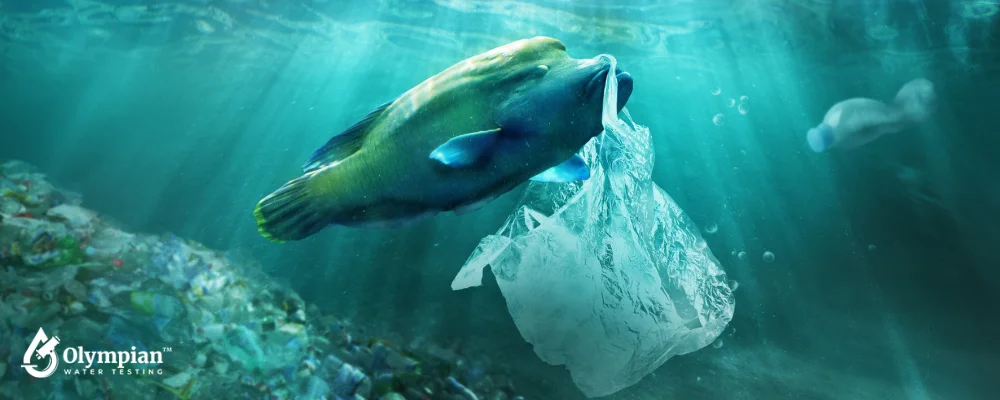
Water contamination refers to the presence of harmful substances in water, which can have adverse effects on human health and the environment. Some of the common water contaminants and their effects are:
- Microbiological contaminants: These include bacteria, viruses, and parasites that can cause serious illnesses such as cholera, dysentery, and hepatitis.
- Chemical contaminants: These include heavy metals (such as lead, mercury, and arsenic), pesticides, and industrial chemicals that can lead to a range of health problems, including neurological damage, developmental delays, and cancer.
- Disinfectants: Chlorine and other disinfectants used to treat drinking water can react with organic matter in water to form by-products such as trihalomethanes (THMs), which have been linked to an increased risk of cancer and other health problems.
- Radioactive contaminants: These include radon, uranium, and other radioactive isotopes that can increase the risk of cancer and other health problems.
- Nutrient contaminants: Excess levels of nutrients such as nitrogen and phosphorus in water can lead to the growth of harmful algae, which can produce toxins and decrease the oxygen levels in the water, killing fish and other aquatic life.
It’s important to note that not all contaminants are harmful at all levels, and the effects can depend on the amount, duration, and frequency of exposure. Regular monitoring and treatment of water supplies can help to reduce the levels of contaminants and ensure that drinking water is safe for consumption.
Importance of Clean Water for Human Health
Health-critical: water quality is human health. It also prevents the transmission of waterborne illnesses such as cholera, dysentery and typhoid. So, water must also be clean to have a proper hygienic environment in order not to spread infectious diseases. Additionally, there’s the matter of clean water that is fundamental for good health and nutrition. Bad water quality will result in various diseases like diarrhoea, infections, etc.
Water Scarcity and Its Impact on Environmental Security
We are running out of water everywhere in the world. It means there isn’t enough water to meet the needs of an expanding population. Water shortages can also have adverse effects on ecological security, from deterioration of water quality to biodiversity loss, to increased opportunities for conflict over water. Moreover, drought can drive rising use of groundwater, and as a result aquifers can be exhausted and ecosystems degrade.
What is the Connection between Water Quality and Climate Change?
Water quality is in trouble due to climate change in many ways. Temperatures are heating up and more is evaporating, meaning that in some areas water is becoming scarce. The patterns of precipitation also change water quality, creating runoff and erosion, and polluting streams. Additionally, ocean rise is changing the water quality of the coasts by making it saltier and the coastal ecosystems deteriorate.
Water Management and Conservation
We need water management and conservation to sustain our water resources for the long-term. Water management means balancing different users and maintaining water quality. This can include conserving water, water conservation and anti-pollution measures. Conservation could include wetlands and other water-dependent environments, improved water storage, and limiting the human influence on water.
What is the Role of Technology in Improving Water Quality?
Technology is increasingly helping to reduce contaminants from the water. You can also have water contamination detection systems and water quality monitoring systems. Aside from this, new technologies are being applied to clean contaminated water: nanofiltration, reverse osmosis, ultraviolet disinfection. They can be used to make the water we drink safe for us and the planet. Then there are new technologies to optimise water use like water recycling and rainwater harvesting that can cut the need for fresh water and save water from depletion.
International Efforts to Ensure Water Quality
Water quality is an international problem and it must be addressed at a world level. There are also international projects and conventions that seek to encourage and ensure water quality for human and natural safety. For instance, the UN has designated clean water and sanitation as a human right, and set the Sustainable Development Goal 6: water and sanitation will be provided for and managed sustainably by 2030 for all. Besides, we have several international conventions and treaties to ensure water quality and aquatic ecosystem health, like the Convention on Wetlands of International Importance and the Convention on Biological Diversity.
The Role of Policy and Legislation in Water Quality Management
Water quality is managed through policy and laws by governments and international organisations. By using good water quality management policies, water supplies are not polluted or overused. Legislative landmarks – the Clean Water Act in the US, or the European Union’s Water Framework Directive – regulate water quality and manage pollutants.
Also in place are water-sustainability policies that look after both today and the future generations. These range from boosting water efficiency, securing natural water supplies and requiring industries to use cleaner production processes. The campaigns and education efforts are also very important elements, which create an environment in which water conservation and pollution avoidance are cultured among the community.
Conclusion: Integrating Efforts to Safeguard Water Quality for Future Generations
Water quality, finally, inevitably concerns human and environmental safety. The threat posed by contaminants such as microbiological and chemical pollutants is high, with factors such climate change and water scarcity. Pure water, for hygiene, disease control and overall good health, is necessary, as there is no question.
The technology is bringing new tools to inspect and purify water, and the world is working to keep water safe around the globe. Water policy and conservation is critical to our water supply. Together, at the individual, community, national and global scales, we can make sure that our children and grandchildren will have clean, pure water. This is the collective response that will keep humanity and the planet healthy.
Concerned about water quality? Visit Olympian Water TestingTM among water testing companies near you. Our technicians make sure you get a proper test and have reliable results so you can forget about the water safety.
Share this on social media:
Facebook
Twitter
LinkedIn