
Why Drinking Water Safety Matters
Travelers often seek reliable ways to stay healthy away from home. Water can hide risks, like bacteria or parasites, in unfamiliar sources. Ignoring drinking water safety can lead to discomfort and unexpected medical visits.
Visitors should look for health tips from Mexico experts. Knowing the risks of waterborne illnesses, like E. coli or Giardia, helps. This knowledge allows more time to enjoy landmarks and local cuisine.
The CDC advises on staying vigilant for a worry-free vacation. Choosing filtered or bottled water ensures peace of mind. Regular practices also prevent dehydration and keep energy levels up for daily activities.
By taking reasonable precautions and focusing on quality water sources, travelers can stay happy and eager for more discoveries.
Common Waterborne Risks
Many travelers are unaware of the dangers posed by unfiltered water. The lack of proper infrastructure allows harmful microbes to enter pipelines. This raises significant concerns about tap water contamination worldwide.
Pathogens in Unfiltered Water
Microorganisms such as E. coli, Salmonella, and Giardia flourish in environments lacking effective disinfection. In Mexico’s Mezquital Valley, untreated wastewater is used for irrigation, posing a risk to nearby communities. A study found a 10% one-week prevalence of diarrhea among those exposed, compared to 5% among those who were not.
Aging pipes can spread pathogens further, impacting long-term health. This highlights the importance of addressing these issues to protect public health.
Possible Contaminants and Their Effects
Chemicals from agricultural runoff or industrial dumping also pose a threat. These pollutants can persist in water systems, leading to digestive disorders or more severe health issues. Recognizing these risks encourages travelers to opt for bottled water or ensure hotels use certified purification methods.
can you drink the water in mexico
Travelers often wonder if local tap is safe to drink. Treatment facilities may purify it at the source. Yet, old piping can introduce debris before it reaches faucets.
Many opt for bottled versions or ask about water in Mexico hotels that use strict filtration systems. Some places mark their taps as potable water with “agua potable” signs. This courtesy helps visitors identify where extra measures are in place.
Those who stay in large resorts often find consistent safety protocols. Smaller lodgings might vary; it is wise to look for posted notices or ask staff about purification steps. Extra vigilance provides peace of mind for anyone concerned about contamination.
Location | Purification Method | Traveler Tip |
Major Resorts | On-Site Filtration | Check for “agua potable” labels |
Budget Hotels | Occasional Purification | Ask staff about safe water sources |
Local Eateries | Bottled Drinks | Choose sealed brands for assurance |
Local Practices and Cultural Insights
In many areas, residents have developed habits that show a cautious approach to tap water. Some brush their teeth with local water but avoid drinking it. Many use large garrafones for cooking and drinking, highlighting local consumption habits aimed at addressing purity concerns.
The garrafone’s popularity highlights the importance of purified water in daily life. These 20-liter jugs cost around 10 to 20 pesos for a refill. This habit reflects the ongoing distrust of tap water, making Mexico a leading consumer of bottled water. Locals emphasize the importance of regular refills and proper storage as basic water safety tips.
Advice from Residents
People across the country rarely drink tap water and offer similar advice to travelers. Gaining cultural insights Mexico provides is essential for visitors. Locals advise tasting tap water sparingly, staying alert to local warnings, and using trusted purified sources whenever possible.
Regional Differences
Infrastructure differs significantly between urban areas and rural towns. City residents might trust advanced water treatment, while rural communities often rely on wells or water trucks. Recognizing these differences is key to protecting visitors and making informed water choices.
Practice | Description | Approximate Cost |
Brushing Teeth | Use tap water but avoid swallowing | $0 |
Refilling Garrafones | 20-liter purified water jugs | 10–20 pesos |
Cooking | Favor purified water over tap | Varies by region |
Bottled Water vs. Tap Options
In Mexico, bottled water is a popular choice for staying hydrated. Brands like Ciel, Bonafont, ePura, and Santa María are favored. These brands offer 20-liter containers at reasonable prices, ensuring purified water.
Tap water, though, comes with its own set of challenges. Residents often opt for home purification systems. This approach can be cost-effective, but prioritizing safety is essential.
Cost Factors to Consider
Travelers with extended stays might find bottled water expensive. Local refilling services, though, offer more affordable options. By comparing prices, travelers can make informed choices that fit their budget.
Environmental Impact
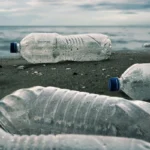
Single-use plastics pose a significant problem for eco-conscious travelers. Adopting reusable bottles and filters can help. These choices not only reduce plastic waste but also ensure clean drinking water, promoting a healthier lifestyle.
Methods to Make Tap Water Safer
Travel insights from this guide offer practical steps to safeguard health. The boiling water method is a reliable choice. It involves heating tap water for at least one minute. This method effectively kills most pathogens, including viruses and common bacteria.
Some locals opt for purification systems with active carbon or reverse osmosis to eliminate chemicals. Others prefer UV water filters to neutralize remaining microbes. Plumbed-in units are ideal for extended stays, while portable setups are better for short visits or emergencies.
- Heat water at a rolling boil for a safe margin
- Check filter cartridges regularly and replace on schedule
- Choose units from reputable brands like Brita or Pur
Method | Key Benefit |
Boiling | Eliminates bacteria and parasites |
Filtration | Reduces chemicals and odors |
UV Light | Neutralizes viruses in seconds |
Health Concerns and Symptoms of Unsafe Water
Drinking contaminated water can lead to discomfort that hampers daily life. Common symptoms include stomach pain, diarrhea, or vomiting. Even the most cautious travelers may experience mild issues, known as “Montezuma’s Revenge.” Recognizing these signs early is key to reducing recovery time.
For more information, check out this traveler’s diarrhea guide. Being informed helps manage risks and minimizes the need for intensive care during travel.
Short-Term Effects
Stomach upset and dehydration can strike without warning. Over-the-counter remedies like Pepto-Bismol and Imodium can help with mild symptoms. Drinking clear fluids and resting can aid in recovery. Experts advise quick action to prevent symptoms from worsening.
When to Seek Medical Help
Severe cases may involve high fever, intense vomiting, or persistent cramps. If blood appears in stool or dehydration becomes severe, seeking medical help in Mexico is essential. Early treatment is critical to prevent serious health issues. Understanding when to seek help builds confidence in managing health risks.
Symptom | Possible Outcome | Suggested Action |
Diarrhea | Excessive fluid loss | Use traveler’s diarrhea remedies |
Nausea | Loss of appetite | Try bland foods |
High Fever | Risk of severe infection | Seek professional care |
Alternatives for Safe Drinking Water
Travelers often look for ways to reduce waste and stay healthy. A filtered water bottle from brands like Brita or LifeStraw is a good option. These bottles filter out contaminants while keeping essential minerals. For longer trips, a gravity-based device is handy, making it easy to use in remote areas.
Using a local purification station is another cost-effective way to stay hydrated. These stations, common in many neighborhoods, allow you to refill your container at a low cost. Options like portable filtration systems or refillable jugs help cut down on waste and save money. It’s important to check product certifications, as quality can vary. This not only protects your health but also shows respect for local resources.
Practical Tips for Travelers
Traveling to Mexico demands meticulous planning. To avoid illnesses like diarrhea, vomiting, or stomach pain, a few safe drinking tips are essential. Opting for purified or sealed beverages can significantly lower the risk of exposure to harmful bacteria or parasites. These pathogens often hide in water that looks clean to the untrained eye.
Preparing Before Your Trip
 Carrying a reusable filtered water bottle and essential over-the-counter medications is a smart start for Mexico travel preparation. These include bismuth subsalicylate or loperamide. Before you go, research your hotel’s water purification methods. This ensures safer drinking options when you arrive. Such preparation fosters confidence as you explore local foods and attractions.
Spotting Reputable Water Sources
Identifying reputable water brands is a critical safe drinking tip. Many travelers choose Ciel, Bonafont, or ePura to avoid high import costs and ensure quality. Always check that bottles are factory-sealed for added safety. Asking for bottled water in Spanish, such as, “¿Me puede traer una botella de agua?” or, “¿Tiene agua embotellada?” can be helpful at cafes and markets. Staying hydrated with reputable water brands and proper Mexico travel preparation makes your trip healthier and more enjoyable.
Staying Hydrated with Confidence
Proper hydration in Mexico is simpler with a few steps. Carry sealed bottles from trusted brands like Bonafont or Epura. Also, ask if local spots filter their water. Washing fruits and vegetables with purified water reduces risks. These habits protect you without limiting your culinary explorations.
Hotels with on-site purification systems offer reassurance. Avoiding water during showers also minimizes germ exposure. Travel confidently by planning for different climates and regions. Beaches and high-altitude areas require more water, so listen to your body’s thirst signals.
With a little planning, your trip can be both healthy and memorable. Enjoy Mexico’s history, cuisine, and culture without hydration worries. Remember to monitor your water intake, choose reliable sources, and embrace hydration in Mexico. Thoughtful choices make every journey an adventure.