The Link Between Water Quality and Human Migration
- Published:
- Updated: November 25, 2024
Listen to this article
Summary
Water quality impacts human health and migration, driving people to seek areas with better access to clean water. Pollution, scarcity, and inadequate infrastructure contribute to this migration.
- Poor water quality leads to health problems and economic hardships, prompting migration to areas with better water access.
- Governments and international organizations must address water quality through infrastructure improvements, pollution control, and community support.
- Climate change exacerbates water quality issues, emphasizing the need for comprehensive solutions to ensure clean water access as a human right.

All life on Earth needs water, and human survival depends on drinking clean and safe water. Alas, all societies on Earth have to struggle with water quality issues, be they pollution, depletion or lack of infrastructure. More often than not, these issues will be followed by migrations, as individuals move to find fresh water and other resources.
Understanding the Importance of Water Quality for Human Health and Well-being
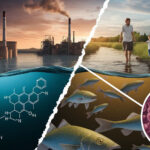
Humans need clean and healthy water in order to be healthy and well, for drinking, cooking and bathing. However, water quality in most communities in the world is poor, polluted, scarce and has poor infrastructure. If water quality is bad, then it has many health issues, such as water-borne diseases like cholera and typhoid fever, and diseases and infection.
Aside from the health consequences, poor water quality can also be economic and social, reducing agricultural yields, limiting access to fresh water, and adding to the cost of health care. In many instances, these issues are the reason for human displacement, as people head for land that has more access to water and other resources.
What are the Impacts of Water Quality on Human Migration?

Water quality can have a significant impact on human migration, as people seek out areas with better access to water and other essential resources. In many cases, migration driven by water quality concerns is driven by a combination of factors, including:
- Health concerns: Poor water quality can lead to a range of health problems, and people may choose to migrate to areas with better access to clean and safe water to protect their health and well-being.
- Economic impacts: Poor water quality can also have economic impacts, reducing agricultural productivity and limiting access to clean drinking water. People may choose to migrate to areas with better access to water and other essential resources to improve their economic prospects.
- Social impacts: In some cases, poor water quality can also lead to social conflict and instability, as communities compete for access to limited resources. People may choose to migrate to areas with better access to water and other resources to avoid these conflicts and ensure their safety.
What are the Roles of Government and International Organizations in Addressing Water Quality and Migration?
To address the connection between water quality and human migration, it is important for governments and international organizations to take a comprehensive approach, including:
- Improving water quality: Governments and international organizations can work to improve water quality through investments in infrastructure, water treatment technologies, and water management practices.
- Addressing water scarcity: Governments and international organizations can also work to address water scarcity through investments in water storage and distribution infrastructure, as well as through the promotion of water-saving technologies and practices.
- Addressing water pollution: Governments and international organizations can also work to address water pollution through the enforcement of regulations and the promotion of best practices for waste management and water treatment.
- Supporting communities: Governments and international organizations can also support communities impacted by water quality challenges through the provision of health services, economic support, and other forms of assistance.
Climate Change and Water Quality
Climate change is another major influence on water quality and migrant movements. Weather trends, warming temperatures and the increased number of extreme events all have a dramatic impact on water supplies, making them water scarce, polluted, etc.
The challenge for governments and international agencies is how to address climate change impacts on water quality and migration – not just by reducing greenhouse gas emissions, but by investing in climate resilient infrastructure and in support of affected communities. Such measures can ensure that water is not taken for granted, or not enough in quality to support communities now and in the future.
Water Quality and Human Rights
Clean and safe water is a fundamental human right, and making sure that everyone has access to this fundamental resource is part of advancing human rights and social justice. In water quality poor, there are many effects on the health and wellbeing of groups, especially marginalised and vulnerable communities.
Governments and international institutions need to go all-in in the quest to improve water quality, water scarcity and equitable access to water in order to advance human rights and get everyone access to safe, clean water. If all of these things are done, it will be possible to have the water available to everyone and to have no one migrating because of water quality issues.
The Future of Water Quality and Human Migration
With human population only set to increase, and water resources ever scarcer, the link between water quality and human migration will continue to grow in importance. Governments and international agencies will need to become more holistic and involved when thinking about how to deal with water quality and migration in the future — where everyone is provided with safe and clean water, and no one is forced to flee due to water quality issues.
Future technologies and procedures could continue to make water even better, and lower the threat of water depletion and contamination. For instance, new water treatment technologies could clean more pollutants out of water, which will become better and less potentially harmful to health. Also, with the utilisation of renewable energy sources like solar and wind, this could decrease the volume of water used for electricity generation, and lessen the risk of water contamination and depletion.
Share this on social media:
Facebook
Twitter
LinkedIn

Related Posts