
Exploring America’s Search for Top-Quality Tap Water
A significant portion of the nation is concerned about contaminants in municipal water supplies. This worry impacts perceptions of taste, color, and purity. Local utilities are dedicated to keeping the public informed, upholding drinking water standards, and providing transparent updates. The availability of data on treatment methods and results is key to building trust in tap water.
In some areas, residents report better tap water experiences, sparking curiosity in others about achieving the best tap water. Factors contributing to high ratings include rigorous testing, advanced filtration, and thorough pipe maintenance. Collaboration between state agencies and water providers is essential for reliable service. Communities that prioritize these efforts often boast exceptional water clarity and taste.
How Municipal Water Systems Work
Municipal water utilities serve neighborhoods across the United States, focusing on safety. They strive to offer the best tap water for public health. This effort involves a detailed water treatment process. It aims to eliminate bacteria and chemical contaminants before the water reaches homes.
Federal Standards and Local Regulations
The Environmental Protection Agency sets guidelines for testing and monitoring at each facility. Local authorities enforce rules to address regional concerns, such as outdated pipes or variations in source water. Many cities invest in improved infrastructure to meet changing demands.
In-Home Filtration vs. City Treatment
Some homes use filters to remove taste or chlorine byproducts. Activated carbon or reverse osmosis units can improve flavor, even though municipal treatment already removes most impurities. Households considering these systems weigh costs against municipal expenses. Both methods aim for safe drinking water, but personal preference and local conditions influence the choice.
The Importance of Water Source Selection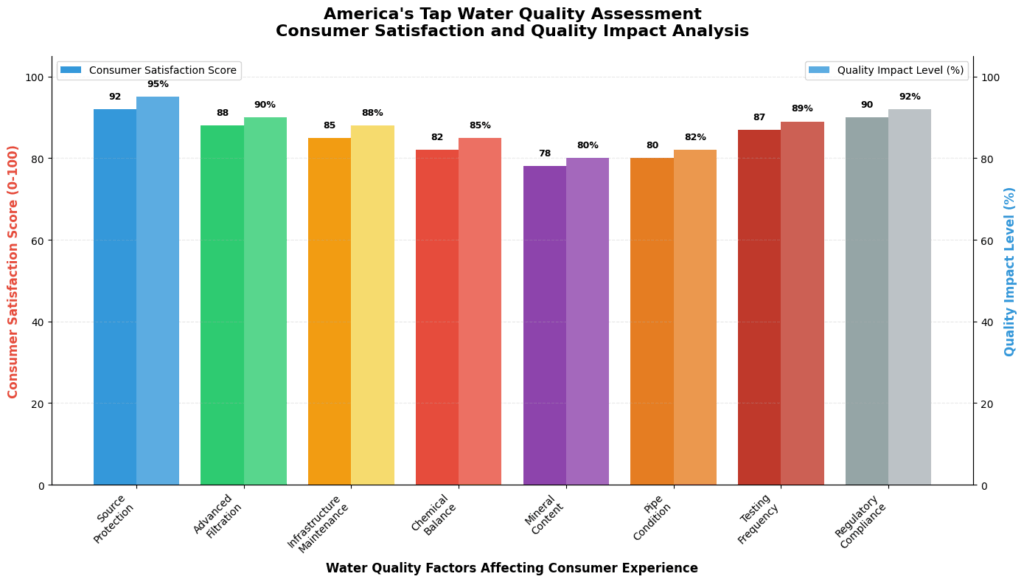
Communities across the nation rely on varied origins for their drinking water. Some pour from rugged highlands, while others flow from engineered reservoirs or deep underground layers. Each source contributes unique minerals and nuances that shape overall taste.
Regions that protect their supply at the source often deliver the best tap water. The way city water quality is managed depends on natural barriers, surrounding ecology, and the infrastructure that carries the water to homes and businesses. Knowing your municipality’s source can clarify why certain areas taste fresher or contain higher mineral content.
Mountain Springs, Reservoirs, and Aquifers
Mountain runoff tends to offer cleaner profiles, yet steep terrain may pose access challenges. Reservoirs can store large amounts while preventing sudden contamination. Aquifers provide steady flow from porous rock and soil, though some can contain higher levels of dissolved solids. Each choice reflects a balance between convenience, purity, and local demand.
Source | Notable Feature | Common Treatment | Sample Region |
Mountain Springs | Refreshing Taste | Minimal Filtration | Rocky Mountains |
Reservoirs | Ample Storage | Chlorination | Lake Mead |
Aquifers | Steady Supply | Softening | Florida Aquifers |
Factors That Affect Taste and Odor
Many factors influence the taste and smell of water. City utilities face challenges from changing chemical levels, mineral deposits, and aging infrastructure. These changes can significantly alter the drinking experience. People looking for the best tap water pay close attention to these factors.
Chemical Imbalances and Treating Agents
In many areas, minerals or disinfectants in the water cause noticeable differences in taste and smell. For example, Arizona’s high mineral content leads to water hardness. Other regions deal with residual chlorine, which can give water an unpleasant taste. Adjusting these chemical balances is essential to ensure safety and reduce unpleasant odors.
Pipe Infrastructure and Upkeep
Older pipes can introduce metallic undertones or unexpected smells into the water. Rust buildup and poor maintenance contribute to these issues. Replacing outdated pipes or performing thorough upkeep is necessary to maintain water quality. A well-maintained system ensures cleaner, fresher water, making it easier to find the best tap water in local communities.
City Spotlights: Regions Renowned for Clean Drinking Water
Washington leads the way in municipal water programs. J.D. Power surveys reveal 84% of its residents appreciate the strict oversight. This dedication ensures the city’s water quality remains top-notch. Advanced treatment systems and proactive management are key to this success.
Kansas, Hawaii, and Kentucky also shine with their forward-thinking approaches. They focus on regular testing and robust infrastructure to combat contaminants. These states prioritize protecting their water resources, ensuring high-quality tap water for all. This commitment makes their water some of the best in the country.
"We aim to safeguard public health through continuous monitoring and innovation," a state official commented.
Why “best tap water” Matters to Consumers
Surveys show that 41% of Americans doubt the purity of their local water supplies. They seek reassurance about tap water safety due to concerns over contaminants like PFAS and heavy metals. This has led to increased pressure on both major cities and small towns to provide the cleanest tap water possible.
People are looking for clear information, as their health and daily routines depend on quality hydration. Stricter regulations and better infrastructure can help build trust. Yet, many residents remain cautious. Consumer advocacy groups praise efforts to strengthen utilities and hold officials responsible for significant improvements.
Long-Term Effects on Health and Wellness
Clean drinking water is essential for well-being, reducing exposure to harmful toxins. Long-term exposure to toxins can impact energy levels, immune function, and organ health. Families and individuals focused on tap water safety advocate for regular testing, mindful usage, and proper filtration.
Access to reliable water is key to balanced nutrition and overall vitality. It’s a critical aspect of maintaining health and wellness.
Comparing Rural vs. Urban Water Supplies
Some communities opt for local wells and springs, which can offer cleaner water. This choice minimizes exposure to harmful chemicals. Yet, smaller towns often face challenges in regular water testing due to limited resources.
In contrast, larger cities invest heavily in water purification systems. Despite this, their aging infrastructure can impact the taste and consistency of the water. This highlights the ongoing debate about rural vs. urban water quality.
Population density plays a significant role in water demand and system maintenance. Rural areas, with their lower population, can sometimes boast of pristine water conditions. The lack of advanced equipment, though, limits thorough monitoring. On the other hand, cities handle large volumes of water, necessitating robust oversight and modern engineering.
Government agencies, like the Environmental Protection Agency, set standards to ensure water safety. Despite these efforts, each location faces unique challenges due to varying sources and budgets. Upgrades are essential for maintaining quality, but funding can be a significant issue. Rural systems often rely on grants, while urban systems draw from municipal budgets.
Type | Strength | Challenge |
Rural | Clean ground sources | Limited testing capacity |
Urban | Large-scale treatment | Aging infrastructure |
Environmental Impact of Tap Water Consumption
Opting for tap water over packaged alternatives can significantly reduce landfill pressure and protect our landscapes. This choice reflects a growing awareness of how our daily actions influence environmental outcomes. It shows how our habits can shape the ecological footprint of our communities.
Reducing Single-Use Plastic Waste
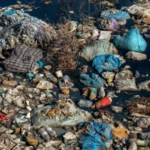
In states like Washington, residents are encouraged to use refillable bottles instead of disposable ones. This move helps curb the creation of plastic waste that harms our rivers and oceans. Neighborhoods are taking proactive steps, setting up refill stations and providing discounts at local events. Such efforts not only reduce environmental harm but also ensure the sustainability of tap water for future generations.
Community-Level Conservation Efforts
Local groups are dedicated to preserving natural streams and aquifers through responsible water use. They engage in educational campaigns, support pipeline maintenance, and share tips on reducing home water consumption. These initiatives help maintain the quality of residential water supplies and promote ecological balance. By choosing tap water, we invest in a cleaner environment and stable resources for the future.
Tips for Identifying Quality Tap Water
Ensuring a clean supply begins with reviewing official data. Many residents pursue the best tap water by diving into public resources and testing insights.
Reading Water Quality Reports
Utilities frequently release Consumer Confidence Reports. These reports outline contaminant levels, hardness, and pH readings. They help residents measure their supply against drinking water standards. Any irregularities prompt questions about filtration measures or municipal improvements.
DIY Home Testing Methods
Basic kits track chlorine, mineral content, and pH levels right at home. Color-coded strips offer a snapshot of overall safety with minimal effort.
Method | What It Checks | Approx. Cost |
Basic Test Kit | Hardness, pH, chlorine | $10–$20 |
Advanced Lab Analysis | Lead, nitrates, heavy metals | $50–$100 |
Those seeking further guidance may explore this guide for filtration approaches. A proactive stance ensures the best tap water for everyday drinking. It supports stronger drinking water standards within local communities.
Advanced Purification Technologies to Enhance Taste
Many households aim for the best tap water by using methods that improve taste and safety. They look for ways to remove contaminants while keeping beneficial elements in every glass.
Some families choose UV disinfection or reverse osmosis units for extra protection against microorganisms and chemicals. This choice is vital in areas with poor water quality. Costs and maintenance differ, but these options generally enhance flavor and aroma.
Reverse Osmosis and UV Filtration
Reverse osmosis uses a semipermeable membrane to filter out unwanted particles and pollutants. UV light then kills bacteria and viruses, leaving fewer impurities. This combination creates a clean, refreshing water treatment process.
Ion Exchange Processes
Ion exchange removes hardness and metallic flavors by exchanging charged particles. This reduces buildup and smooths out taste. Homeowners often consult experts to find the right purification method for their needs.
The Role of Government Agencies in Water Regulation
Federal oversight plays a critical role in ensuring local systems protect public health. The Environmental Protection Agency, or EPA, sets nationwide standards for contaminants. These standards guide each community’s efforts to provide the best tap water for daily use.
State departments work within these guidelines to address local conditions. In some areas, stricter rules are adopted due to outdated pipes or industrial runoff. This cooperation can boost public trust, as communities see leaders adapting to challenges and preserving resources. Effective communication among all parties, including local utilities and health authorities, is key to successful water regulation.
EPA Guidelines and State Collaboration
Local agencies strive to meet federal targets while tailoring regulations to unique landscapes. States with cleaner sources may enforce tighter protocols. Others focus on infrastructure upgrades or targeted testing to ensure safe distribution. This collaborative effort builds confidence in municipal supplies and influences public perception of tap water options.
Agency | Key Responsibility |
EPA | Establishes nationwide contaminant standards |
State Health Departments | Implements localized water regulation and monitors local utilities |
Challenges and Innovations in Water Management
Southern California is grappling with persistent droughts, putting a strain on local resources. To alleviate this, reuse projects and expanded desalination programs are being implemented. These efforts aim to reduce the burden on reservoirs and ensure public safety. Modernizing infrastructure through advanced leak detection is another strategy, helping to minimize waste and maintain a steady water supply.
Advancements in water regulation are critical in safeguarding communities from contamination. This has bolstered public trust. The use of smart sensors and digital monitoring systems allows for prompt issue resolution. These technologies are part of water sanitation technology solutions, enabling real-time tracking of water flow and quality.
Private entities are working hand-in-hand with public officials to refine investment strategies. This collaboration ensures the delivery of the best tap water available. New technologies are paving the way for cleaner, more sustainable water sources. Cities view these upgrades as vital to meet growing population demands and adapt to environmental shifts.
- Wastewater recycling to extend supplies
- State-of-the-art sensors that detect leaks
- Bolder use of desalination for coastal areas
Key Health Benefits Linked to Quality Tap Water
Drinking the best tap water can boost your overall health. Clean sources offer a refreshing taste, encouraging you to drink more throughout the day. Many people believe that tap water safety is about keeping essential nutrients in every sip.
Research indicates that quality municipal water contains calcium and magnesium. These minerals are key for strong bones and steady muscles. They may even help meet daily mineral needs.
Minerals and Electrolytes for Hydration
Minerals like potassium and sodium are vital for fluid balance in the body. They help cells absorb water and support nerve function and muscle contractions. Using a reliable tap can help replenish these electrolytes, avoiding the need for sugary drinks.
Supporting Overall Bodily Functions
Water with balanced minerals aids digestion, kidney function, and energy levels. Knowing about tap water safety means understanding how filters can remove contaminants but might also reduce beneficial minerals.
By reviewing reliable data and local resources, you can choose the best tap water for your health. Below is a brief table highlighting key minerals often found in quality tap water:
Mineral | Benefit |
Calcium | Supports bone density and muscle function |
Magnesium | Assists energy production and nerve activity |
Potassium | Maintains fluid balance and heart rhythm |
Where Flavor and Purity Converge
Water sommeliers in cities like New York and Chicago are increasingly intrigued by flavor profiles. Smaller towns are exploring new methods to maintain taste quality. In contrast, large cities are focusing on treatments to eliminate odors from each glass.
The quest for the best tap water involves a delicate balance. It combines the purity of mountain water with advanced technology to reduce taste and odor issues. Consumers can better identify quality changes by comparing local reports or conducting simple tests at home.
Those who appreciate fine dining often look for tap water that complements their meals. Clean water not only enhances flavors but also adds a touch of elegance to everyday drinks. Health-conscious individuals, on the other hand, rely on accurate information about minerals and contaminants.
It’s essential for readers to stay informed about their local water systems. They can do this by checking consumer confidence reports, contacting municipal offices, and applying the tips from this article. By staying vigilant, communities can ensure that every faucet offers both flavor and purity.