...

What happens if you drink rusty water?

Summary

Drinking rusty water can pose health risks and affect the taste and appearance of water. Rust often comes from corroded pipes, well water, or aging municipal systems. While small amounts may not be harmful, higher concentrations can cause stomach discomfort, bacterial growth, and more serious conditions like hemochromatosis. Additionally, drinking rusty water can also affect the health of plants, as the minerals and metals may disrupt nutrient absorption. Rusty water effects on plants can lead to stunted growth, discoloration, or even death of certain species if the contamination is significant. Therefore, it’s crucial to address any issues with rusty water not only for human consumption but also to ensure the wellbeing of gardens and landscapes.

  • Rusty water often comes from corroded iron pipes, well water with high iron content, or aging infrastructure.
  • Low iron levels typically aren’t harmful, but high levels can cause stomach issues and long-term health problems.
  • Treatment options include sediment filters, water softeners, and iron filters, with regular maintenance to prevent recurrence.

Water quality is a critical aspect of our daily lives. It affects everything from our health to the taste of our food and beverages.

One common water quality issue is the presence of rust in the water. This is often characterized by a reddish-brown discoloration and a metallic taste.

But what happens if you drink rusty water? Is it harmful to your health?

This article aims to answer these questions. We will explore the health effects of rusty water and explain why rust appears in your water in the first place.

We will also provide practical solutions for addressing and preventing rusty water issues. Our goal is to help you ensure that your water is safe to drink and meets regulatory standards.

So, let’s begin our journey into understanding the impact of rusty water on our health and how to combat it.

Understanding Rusty Water and Its Sources

Rusty water often originates from several common sources. The most frequent cause is the corrosion of iron pipes over time. This corrosion results in iron particles flaking off into the water supply.

In addition to corroding pipes, natural causes also contribute to rusty water. Well water can naturally contain high levels of iron, leading to discoloration and a metallic taste. This issue is not only unsightly but can also affect the taste of the water, making it less palatable for drinking and cooking. Identifying the source of the problem is essential in addressing the issue effectively. Homeowners should consult with water quality experts to explore potential rusty tap water causes and solutions, such as installing a filtration system or utilizing water softeners to reduce iron levels.

Another possible source of rusty water is outdated municipal infrastructure. This may involve aging pipelines and water mains.

Common Sources of Rusty Water

Common Sources of Rusty Water
  • Corrosion of iron pipes
  • Naturally high iron content in well water
  • Aging municipal water supply systems

Understanding these sources is crucial for addressing and preventing rusty water in your home or business. Identifying the source allows for targeted treatment and solutions to improve water quality.

What Happens if You Drink Rusty Water

Drinking rusty water may not always pose an immediate health risk, but it can cause several issues depending on the concentration of rust (iron) in the water. At low levels, it’s generally not harmful, but high concentrations of iron in the water can lead to stomach discomfort, nausea, and vomiting. Over time, excessive iron intake can lead to more serious health issues such as hemochromatosis, a condition where the body stores too much iron, potentially damaging organs like the liver and heart. In addition to gastrointestinal problems, drinking rusty water can also affect the taste and smell of the water, making it less appealing for consumption. It’s crucial for individuals to be aware of rusty water health risks, especially in areas with aging plumbing or infrastructure, where the likelihood of rust contamination increases. Regular water testing and appropriate treatment solutions can help mitigate these risks and ensure safe drinking water for all.

Long-Term Health Effects

Rusty water can also affect the taste and odor of drinking water, giving it a metallic flavor and unpleasant smell. Beyond the sensory issues, high iron levels can cause rust-colored stains in sinks, bathtubs, and laundry, and may lead to clogged pipes, which can reduce water pressure and require expensive repairs. Iron-rich environments can also foster bacterial growth, leading to potential waterborne infections.

To prevent and treat rusty water, it’s important to regularly test your water for iron content and address the underlying cause, whether it’s corroded pipes, well water with high iron levels, or aging municipal infrastructure. Solutions such as sediment filters, water softeners, and iron filters can help remove the rust and improve water quality.

What Happens If You Drink from a Rusty Bottle or Cup?

Drinking from a rusty bottle or cup can have similar health risks to drinking rusty water. Rusty metal can introduce iron into your system, which in small amounts is not harmful but may cause digestive discomfort, including nausea or stomach irritation. Over time, if the rust is consumed regularly, it can contribute to iron overload, particularly for those with conditions like hemochromatosis. Additionally, rusty utensils can harbor bacteria due to the iron-rich environment, which can further increase the risk of infections. If you notice rust on your drinkware, it’s best to replace it or use a safer alternative to avoid potential health issues.

The Role of Iron in Water and Its Impact on Health

Iron naturally exists in the environment and is commonly found in water sources. While essential for human health, excess iron in drinking water presents concerns.

Trace amounts of iron in water contribute to daily nutritional intake. However, its presence should remain within safe, manageable levels.

The Environmental Protection Agency (EPA) provides guidelines for iron in water, primarily focusing on aesthetic impacts, not health risks. Despite this, understanding the iron level is crucial for overall water safety.

The Role of Iron in Water and Its Impact on Health

High concentrations can lead to iron overload in the body, affecting organs like the liver and heart. This condition, known as hemochromatosis, can result from prolonged exposure.

Iron also aids in creating environments favorable for certain bacteria. These microorganisms can pose additional health risks, making it important to monitor and manage iron levels in water sources.

Iron Concentration Source Health Impact
0.1 – 0.3 mg/L Natural groundwater, surface water Generally safe; contributes to daily nutritional intake
0.3 – 1.0 mg/L Well water, aging plumbing systems Potential for discoloration, taste issues, and staining in plumbing
1.0 – 3.0 mg/L Industrial discharges, high iron content in well water May cause stomach discomfort, nausea, or vomiting
Above 3.0 mg/L Corroded pipes, heavily contaminated water systems Potential risk for iron overload (hemochromatosis), long-term organ damage

Testing and Standards for Iron in Water

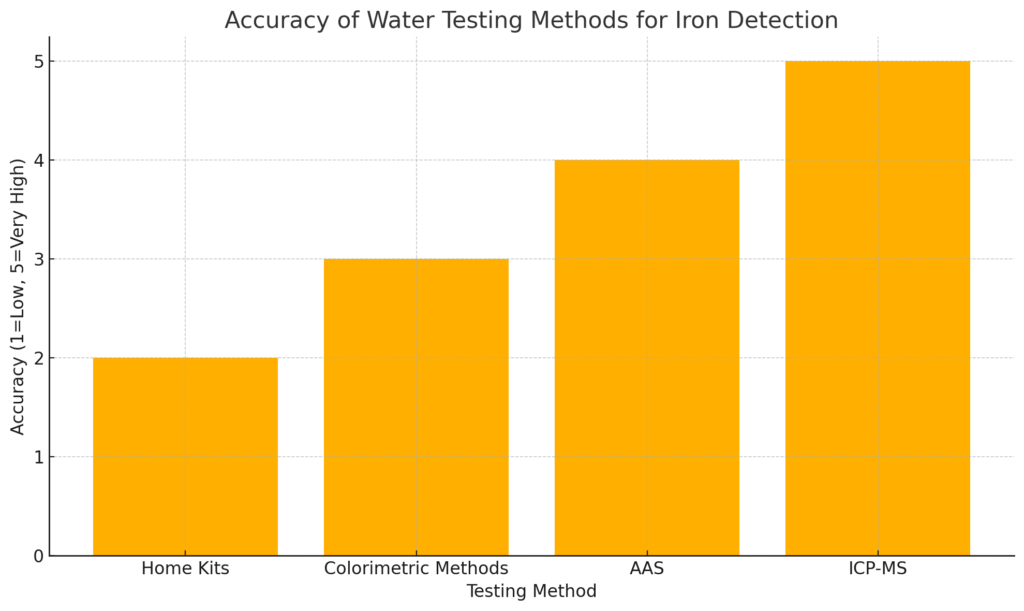
Testing water for iron content is crucial for health and safety. Home testing kits can provide initial assessments. These kits offer quick results, but lab water testing is more accurate.

The Environmental Protection Agency (EPA) sets guidelines for iron in drinking water. Their secondary standards focus on taste and appearance, not direct health risks.
Testing and Standards for Iron in Water

Iron in water should be under 0.3 mg/L to avoid discoloration and taste issues. Exceeding this level indicates a need for treatment. Regular testing helps ensure compliance with these standards and maintains water quality. Understanding these standards is vital for both homeowners and water suppliers alike.

Testing Method Accuracy Cost Standard Limit
Home Testing Kits Moderate Low ($10-$30) EPA recommends levels below 0.3 mg/L
Colorimetric Methods Moderate-High Medium ($50-$150) 0.3 mg/L (aesthetic limit for taste and discoloration)
Atomic Absorption Spectroscopy (AAS) High High (costs vary based on lab service) EPA secondary standard: 0.3 mg/L
Inductively Coupled Plasma Mass Spectrometry (ICP-MS) Very High Very High (high cost, specialized equipment) 0.3 mg/L (secondary standard, recommended for aesthetic quality)

Treatment Solutions for Rusty Water

Treating rusty water effectively requires understanding its source. Initial steps include evaluating your plumbing system. Corroded pipes often cause water discoloration.

Installing water treatment systems can mitigate rust issues. Choose a solution based on your specific water composition.

Common methods include:

  • Sediment Filters: These remove visible rust particles. They are suitable for low iron levels.
  • Water Softeners: Useful for areas with hard water. They help reduce both rust and calcium buildup.
  • Iron Filters: Designed to specifically target high iron concentrations. They are effective for persistent rust problems.

Aeration and chlorination can also address rusty water. They remove dissolved iron through oxidation. Additionally, these processes can improve the overall quality of the water by reducing unpleasant tastes and odors associated with iron buildup. For those looking for solutions on how to eliminate rusty water, implementing a robust water filtration system may further enhance the effectiveness of aeration and chlorination techniques. Regular maintenance and testing of the water supply can also help in identifying issues before they become significant concerns.

Treatment Solutions for Rusty Water

Regularly maintaining these systems ensures continued effectiveness. Check filters and components, replacing as necessary.

Consultation with a water professional can optimize treatment selection. This expertise helps tailor solutions to unique local water conditions. Investing in the correct system ensures clear, safe drinking water.

Preventative Measures to Avoid Rusty Water

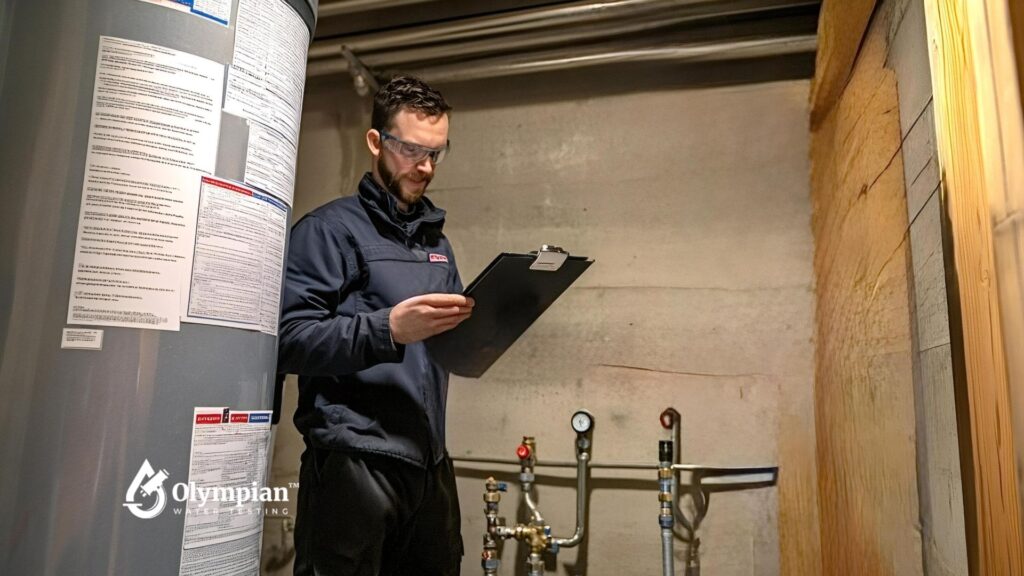
Preventing rusty water starts with proactive maintenance. Regular checks on plumbing and water systems are vital.

Replacing aging iron pipes is a significant step. Modern materials like PVC and copper resist corrosion better.

Water quality testing should be routine. This early detection can prevent the escalation of rust issues.
Preventative Measures to Avoid Rusty Water

Here are key steps to prevent rusty water:

  • Inspect Plumbing: Regular checks for signs of corrosion or leaks.
  • Upgrade Pipes: Transition to corrosion-resistant materials.
  • Test Water Quality: Regular analysis for early detection of rust.
  • Control pH Levels: Maintain balanced pH to reduce corrosion.
  • Implement Corrosion Control: Use inhibitors to minimize pipe rust.

Maintaining a balanced water pH also helps. It reduces the potential for pipe corrosion.

Educating community members about infrastructure maintenance fosters a proactive approach, reducing rust risks.


Conclusion: Ensuring Safe Drinking Water

Ensuring safe drinking water is everyone’s responsibility. By understanding water quality challenges, we can take proactive steps.

Regular water testing is crucial for identifying issues. Timely detection helps prevent potential health risks.

Implementing effective water treatment solutions is vital. These measures guarantee access to clean, contaminant-free water.

Dealing with Rusty Water? Get Your Water Tested Today!

If you’re experiencing rusty water in your home, it’s important to address the issue before it leads to more serious health or plumbing problems. Rusty water can be caused by corroded pipes, well water with high iron levels, or outdated municipal infrastructure. Schedule a water test with our experts today to identify the exact cause and ensure your water is safe to drink. We’ll help you find the right solution, whether it’s installing a filtration system or replacing damaged pipes. Don’t let rusty water affect your health or home—contact us now for a professional water test!

Share this on social media:

Facebook
Twitter
LinkedIn