
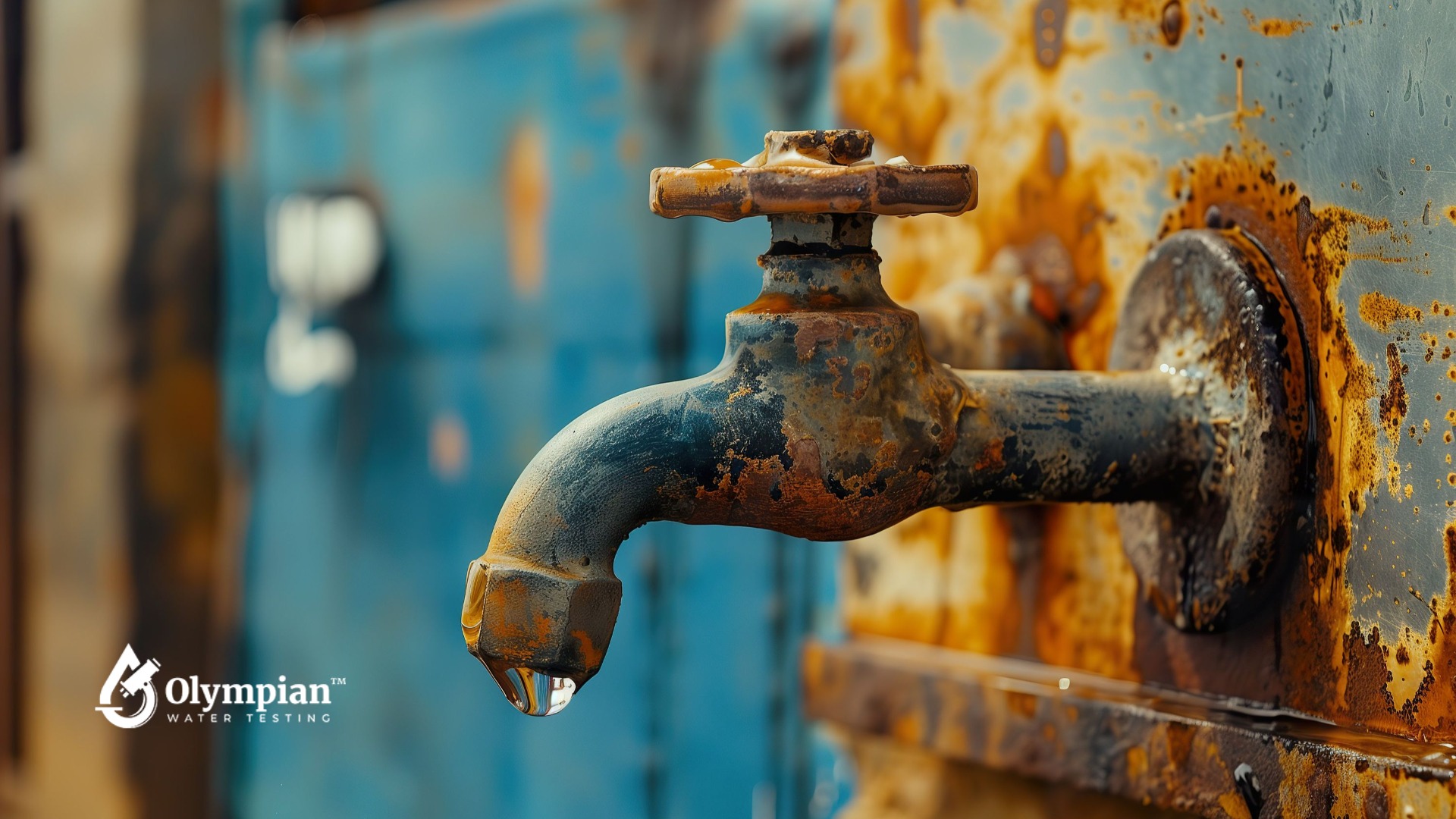
Understanding the Causes of Rusty Tap Water
Rusty tap water can be alarming, making homeowners question their water’s safety and quality. Several factors can lead to this issue, including high iron levels, pipe corrosion, and disruptions from maintenance or repairs.
Iron in the water supply is a major cause of rusty water. About 30% of U.S. groundwater sources have high iron levels, causing discoloration. Manganese, present in 10% of U.S. water systems, also contributes to a brownish tint.
Iron in Water Supply
Iron is common in groundwater, often found in areas with iron-rich soil or rock. While iron is generally safe, it can discolor water, give it a metallic taste, and stain fixtures and laundry. Iron levels in wells vary widely, with deeper wells typically having higher concentrations.

Corrosion of Pipes
Pipe corrosion is another major cause of rusty water. Older homes, built before the 1970s, often have iron or galvanized steel pipes prone to rust. As these pipes deteriorate, rust particles can enter the water, causing discoloration. About 50% of U.S. homes built before 1970 have such pipes.
| Age of Home | Percentage with Iron Pipes |
|---|---|
| Before 1960 | 50% |
| 1960-1970 | 30% |
| After 1970 | 10% |
Water Utility Maintenance or Repairs
Utility maintenance or repairs can also cause temporary water discoloration. Activities like water main breaks, hydrant flushing, or pipe replacements can stir up rust and sediment. In urban areas, water main breaks can occur up to 200 times per 1,000 miles of pipe annually, affecting many households.
Understanding the causes of rusty water is key to solving the problem. Regular plumbing checks, water filtration systems, and proper water heater maintenance can help manage iron, corrosion, and utility disruptions.
Is Rusty Water Safe to Drink and Bathe In?
Noticing brown or rusty water when you turn on the tap can be alarming. While it’s generally safe to drink, it’s not pleasant due to its color, taste, and smell. It’s vital to understand the causes and health risks of rusty water to keep your home safe and healthy.
Health Risks Associated with Rusty Water
Drinking rusty water is usually not harmful. But, consuming large amounts of rust or metal flakes can be risky. These particles can irritate the mouth, throat, or stomach. Also, while iron in water isn’t harmful, it might indicate other contaminants and can foster bacteria growth.
Brown tap water can stem from rusty pipes, sediment, municipal issues, or recent plumbing work. Older homes with steel pipes are more prone to rust, causing water color and taste changes.
EPA Regulations on Iron in Drinking Water
The Environmental Protection Agency (EPA) considers iron a secondary contaminant. It sets a maximum level of 0.3 milligrams per liter (mg/L). Exceeding this isn’t harmful but can lead to unpleasant taste, odor, and stains on laundry and fixtures.
| Contaminant | EPA Maximum Contaminant Level (mg/L) | Potential Effects Above MCL |
|---|---|---|
| Iron | 0.3 | Rusty color, sediment, metallic taste, reddish or orange staining |
To ensure rusty water safety, finding and fixing the source is key. Regular plumbing checks, ideally annual, can catch problems early. Switching to copper or CPVC pipes can reduce rust risks. A whole-house water filter can remove rust, sediment, and chemicals.
Identifying the Source of Rusty Water
Noticing rusty or discolored water when you turn on the tap is a clear sign of a problem. It’s vital to identify the source of this issue. By observing the pattern of rusty water occurrence, you can pinpoint the likely cause. This knowledge allows you to take the necessary steps to resolve the problem.
Start by noting whether the rusty water appears in all faucets or only specific ones. If it’s all faucets, it might indicate a broader issue with the municipal water supply. This could be due to changes in water pressure from maintenance work or the use of fire hydrants. Checking with neighbors to see if they’re experiencing similar problems is a good idea.

Discolored Hot Water Only
If only the hot water is discolored, the issue likely lies with your water heater. Sediment buildup in the tank can cause rusty water, often due to a failed sacrificial anode rod. This allows rust to accumulate. Flushing the water heater can help remove sediment. But if the problem persists, it may be time to replace the unit.
Rusty Water from Specific Cold Water Faucets
Rusty water from specific cold water faucets usually points to localized corrosion in the pipes serving those fixtures. This is more common in older homes with galvanized iron pipes. These pipes can deteriorate over time, releasing rust and minerals into the water supply.
To identify the extent of the problem, it’s essential to have a professional plumber inspect your pipes. Running the affected faucet for 20 minutes can sometimes flush out sediment and resolve the issue temporarily. But if the problem persists or worsens, repiping may be necessary to replace the aging, rusty pipes.
| Rusty Water Occurrence | Likely Cause | Recommended Action |
|---|---|---|
| All faucets | Municipal water supply issues | Check with neighbors, wait for issue to resolve |
| Hot water only | Water heater sediment buildup | Flush water heater, consider replacement |
| Specific cold water faucets | Localized pipe corrosion | Inspect pipes, flush faucets, consider repiping |
By identifying the source of rusty water, you can take the necessary steps to address the problem. Restoring clean, clear water to your home is achievable. Regular plumbing maintenance, such as annual water heater flushing and pipe inspections, can help prevent rusty water issues. This maintenance can also extend the life of your plumbing system.

Rusty Water from Municipal Water Supply
Noticing rusty or brown water from your taps might point to problems with your municipal water supply. Brown water usually stems from corroded iron or lead pipes, causing orange-brown or black discoloration. This issue often surfaces when water flow demands spike, like during emergencies or repairs, disturbing settled rust and sediment.
Municipalities work hard to test and filter water rigorously to reduce contaminants. Yet, issues can occur before water reaches consumers. Secondary contaminants, though not harmful to health, can alter the water’s appearance, smell, or taste.
Utility Company Maintenance or Repairs
Rusty water from the municipal supply often stems from utility company maintenance, repairs, or water line flushing. These activities can stir up sediment and rust in pipes, causing temporary discoloration. Water main breaks or flushing can also temporarily mix up sediment and rust, resulting in brown water.
If brown water persists for more than 24 hours, it’s wise to reach out to local water suppliers. They can address broader issues within the municipal supply. Typically, brown water clears after a few hours of municipal flushing. If it lingers, residents should contact their water provider.

Flushing of Water Lines
Over time, water in pipes can accumulate oxidized iron particles, leading to discoloration. Running cold water for a few liters can often resolve brown discoloration. If it persists, further investigation into plumbing or municipal systems may be required.
| Cause of Rusty Water | Effect on Water Quality | Duration of Issue |
|---|---|---|
| Corrosion of iron or lead pipes | Orange-brown or black discoloration | Can persist until pipes are replaced |
| Increase in water flow demands | Disturbs settled rust and sediment | Typically clears within a few hours |
| Utility company maintenance or repairs | Stirs up sediment and rust in pipes | Usually resolves within 24 hours |
| Flushing of water lines | Releases accumulated iron particles | Clears after running water for a few liters |
If you face ongoing rusty water issues from your municipal supply, contacting your local utility company is key. They can provide information on ongoing work or maintenance affecting your water quality.
Rusty Water from Private Wells
Private well users often face the issue of rusty water due to high iron levels in the groundwater. Iron levels above 10 parts per million (ppm) signify a major problem, often needing professional help. Well water discoloration can also stem from iron bacteria, tannins, and sediment buildup.
Homeowners can tackle rusty water by investing in well water filter systems. These systems, priced between $1,000 and $4,000 on average, according to Angi.com, are effective against iron and iron bacteria. Traditional water softeners, though, may not handle ferric iron and iron bacteria well. They also need resin bead replacement every 2 to 3 years, depending on conditions.
Choosing the right iron removal system is critical, considering your well water’s pH levels. These systems work best with pH levels between 6.5 and 8. Regular backwashing is essential to prevent clogging and ensure optimal performance. The frequency of backwashing depends on the manufacturer’s guidelines. Manganese greensand filters, another option, require periodic potassium permanganate recharging to stay effective.
| Solution | Effectiveness | Maintenance | Cost |
|---|---|---|---|
| Specialized iron filters | High | Regular backwashing | $1,000 – $4,000 |
| Traditional water softeners | Low (for ferric iron and iron bacteria) | Resin bead replacement every 2-3 years | Varies |
| Manganese greensand filters | Moderate | Periodic recharging with potassium permanganate | Varies |
Homeowners can use at-home testing kits to gauge iron levels. Yet, professional testing offers more precise results. Iron bacteria, known for their "rotten egg" smell, can also cause discoloration and require specific treatments.
Regular well maintenance and water testing are vital for maintaining water quality. Addressing rusty water from wells promptly ensures a safe and reliable water supply for your home.
Tap Water Looks Rusty: Addressing the Issue
Dealing with rusty tap water is a must. It not only looks bad but also signals deeper plumbing or water supply issues. Acting quickly to fix this problem is key. It keeps your water safe, prevents pipe damage, and protects your appliances.
Running Faucets to Clear Rust Deposits
Start by running your faucets for a few minutes to clear out rust. This simple step can remove loose deposits in your pipes. If the water doesn’t clear, it might indicate a more serious problem needing further investigation.
The Environmental Protection Agency (EPA) sets iron levels in drinking water below 0.3 mg/L to avoid taste and color issues. Even at 0.3 to 1.0 mg/L, iron can stain plumbing and laundry.
Replacing Corroded Pipes
In some cases, you might need to replace corroded pipes to get rid of rusty water. Old pipes can deteriorate, releasing iron and minerals into your water. This is common in older homes with outdated plumbing. Switching to corrosion-resistant materials like copper or PVC can prevent future rusty water problems.
Regular plumbing checks can spot corrosion or leaks early. Catching these issues early saves you from costly pipe damage and rusty water.

Flushing Water Heaters
Hot water looking rusty often points to a water heater issue. Sediment and minerals build up, causing discolored water. Regularly flushing your water heater can remove this buildup and improve hot water quality.
To flush your water heater, first turn off the power or gas. Let the water cool. Then, attach a hose to the drain valve and empty the tank. Refill it with fresh water and turn the power or gas back on. This maintenance can prevent rusty hot water.
In conclusion, fixing rusty water involves immediate actions like running faucets and flushing water heaters. It also requires long-term solutions, like replacing corroded pipes. By maintaining your water supply and plumbing, you can keep your tap water clean, safe, and free from rust.
Preventing Rusty Water in Your Home
Rusty tap water can be an unsightly and unpleasant experience for homeowners. Fortunately, there are preventative measures you can take to reduce the likelihood of encountering this issue. At our company, we specialize in preventing rusty water through plumbing maintenance services and the installation of advanced water filtration systems.
Our team of certified plumbers conducts thorough inspections every 6 months to identify corrosion in your pipes. We recommend annual servicing of your plumbing system to clean and maintain components, preventing rust buildup. In cases of severe corrosion, we may advise replacing old pipes with rust-resistant materials like PVC or copper.
To further combat rusty water, we offer state-of-the-art water filtration solutions:
- Iron filters that trap particles as small as 5 to 10 microns
- Water softeners that neutralize minerals contributing to pipe corrosion
- Whole-house water filters that remove rust and sediment before reaching your taps
By investing in regular plumbing maintenance and water filtration systems, you can significantly reduce the risk of rusty water in your home. Our experts are committed to delivering the highest quality services. We ensure a consistent supply of clean, clear water for your family.
"We haven’t had a single issue with rusty water after partnering with this company. Their proactive approach and innovative solutions have given us peace of mind." – Sarah Thompson, satisfied customer
Don’t let rusty water diminish your quality of life. Contact us today to schedule a consultation and take the first step towards preventing this common plumbing issue in your home.

The Impact of Rusty Water on Laundry and Appliances
Rusty water can significantly affect your home, leading to laundry stains and appliance damage. Iron deposits from rusty water can clog appliances like washing machines, dishwashers, and water heaters. This buildup reduces their efficiency and lifespan. These deposits also cause stubborn stains in ceramic and porcelain fixtures, making them hard to clean.
Laundry issues caused by rusty water include:
- Yellow, red, or brown spots on clothing
- Dinginess in white clothing
- Graying or yellowing of fabrics
- General soil buildup on clothing
- A stiffer feel to fabrics
- White or gray streaks on colored fabrics
To reduce the impact of rusty water, consider these solutions:
- Use rust removers designed for laundry to remove iron stains.
- Regularly clean and maintain your appliances to prevent iron buildup.
- Invest in water softeners and filtration systems, like the Culligan Iron-Cleer® system, to address iron in your water.
- Test your well water annually for iron and other contaminants, if you notice yellow or orange discoloration.
While the EPA considers iron a secondary contaminant, high doses can be harmful. Public utilities must filter iron in water systems to at least 0.3 PPM, according to the EPA’s Secondary Drinking Water Standards. Addressing rusty water issues promptly can protect your laundry, appliances, and home from iron damage.

When to Seek Professional Help for Rusty Water
Noticing rusty water from your taps requires immediate action. While some cases can be fixed with basic troubleshooting, others demand professional intervention. About 14% of homeowners face water damage from rusty pipes. The cost to re-pipe a home varies from $1,500 to $15,000, depending on the damage’s extent.
Persistent Rusty Water Issues
If flushing your faucets for 20 minutes doesn’t clear the rusty water, it’s time to call a pro. Persistent issues often signal deeper plumbing problems, like significant pipe corrosion. Professional water quality tests can detect rust and other contaminants. About 60% of homeowners who test their water find problems needing professional help.
Signs of Serious Plumbing Problems
Other signs indicate serious plumbing issues that need professional attention:
- Reduced water pressure: Rust can weaken pipes, causing pressure drops. A significant drop in water pressure is common in 30% of homes with aging plumbing.
- Leaks or water damage: Rust weakens pipes, increasing the risk of leaks and bursts, which can be costly to repair.
- Frequent clogs: Sediment buildup in pipes due to corrosion can lead to frequent clogs, indicating pipe deterioration.
If you see these signs along with rusty water, it’s vital to seek professional help. Regular plumbing maintenance can prevent rust. Homes that get annual maintenance checks experience 50% fewer plumbing issues related to rust.
| Plumbing Issue | Percentage of Homes Affected |
|---|---|
| Water damage due to rusty pipes | 14% |
| Significant drop in water pressure | 30% |
| Plumbing issues reduced by annual maintenance | 50% |
A licensed plumber can assess the damage, suggest repairs or replacements, and prevent further problems. Upgrading plumbing systems by replacing rusty pipes can increase home value by 10% to 15%. Don’t let rusty water and plumbing problems persist; seek professional help to ensure your home’s water supply is safe and efficient.
Testing Your Water for Iron and Other Contaminants
Ensuring the safety and quality of your tap water is vital for your health and plumbing system. Iron contaminants can cause unpleasant tastes, odors, and stains. Regular testing with DIY water testing kits or professional services is essential.
The U.S. Environmental Protection Agency (EPA) sets the maximum contaminant level (MCL) for iron at 0.3 mg/L. Even at lower levels, iron can lead to bacterial growth, rust stains, and pipe clogs. The Illinois Department of Health notes iron levels rarely exceed 10 mg/L. Minnesota’s Department of Health suggests using iron filters for levels up to 10-15 mg/L.
DIY Water Testing Kits
DIY water testing kits offer a quick way to check your water quality. They indicate the presence of iron contaminants and other substances. While not as detailed as professional tests, they help determine if further action is needed. Always follow the instructions and interpret the results correctly.
Professional Water Testing Services
Hiring professional testing services provides a detailed water quality assessment. Experts use advanced equipment to analyze your water’s composition, including iron levels. They can identify issues and recommend treatments, such as the Frizzlife WB99-C Countertop Reverse Osmosis System. This system removes over 1,000 harmful contaminants with a 99.99% removal rate.
| Contaminant | EPA Maximum Contaminant Level (MCL) | Potential Effects |
|---|---|---|
| Iron | 0.3 mg/L | Unpleasant tastes and odors, rust stains, bacterial growth, clogs in pipes |
| Manganese | 0.05 mg/L | Black or brown stains, bitter metallic taste, odor |
| Lead | 0.015 mg/L | Developmental delays, learning difficulties, kidney problems, high blood pressure |
Regular water testing and addressing issues promptly ensures safe tap water. Whether using DIY kits or professional services, staying informed about water quality is key. It helps maintain a healthy home and protects your family’s well-being.

Treating Rusty Water with Water Softeners and Filters
Rusty water is a common problem for homeowners, caused by iron in drinking water turning to rust when exposed to air. This issue is prevalent in areas like Mid and Southeast Michigan, where rust buildup in water mains or plumbing systems is common. Not only does rusty water stain skin, clothes, and surfaces, but it also poses health risks, mainly for those with rare conditions like hemochromatosis. Additionally, the presence of rusty water can lead to concerns about the overall quality of drinking water, prompting homeowners to seek filtration solutions. Understanding the causes of rusty water explained is crucial for identifying the appropriate remedies, whether it involves routine maintenance of plumbing systems or installing water treatment equipment. By addressing these issues early on, homeowners can avoid more significant problems while ensuring their water remains safe and clean for daily use.
Fortunately, treating rusty water is achievable with water softeners and iron filters. Water softeners remove excess minerals through an ion exchange process. Iron filters, on the other hand, use oxidation and filtration to eliminate dissolved iron. These systems can significantly reduce iron and other contaminants, resulting in clearer, safer, and tastier water. Understanding how to remove rusty water effectively involves choosing the right filtration system based on the iron concentration in your water supply. Regular maintenance of water softeners and iron filters is essential to ensure optimal performance and longevity. By investing in the appropriate treatment system, homeowners can prevent staining, improve water quality, and protect plumbing fixtures.
Choosing the right water treatment system is critical. Consider your home’s specific needs, including iron contamination levels, water hardness, and other contaminants. A detailed water test can provide insights into your water quality, helping you choose the best treatment options.
| Contaminant | Indication | Treatment |
|---|---|---|
| Iron | Rusty colored stains, reddish-brown discoloration | Iron filters, water softeners |
| Manganese | Dark brown stains, often occurs with iron | Advanced treatment systems like Rust Shield |
| Hard Water | White, chalky stains on fixtures | Water softeners |
| Low pH | Corrosive water, leaching of metals like copper and lead | pH correction systems |
| Bacteria | Pink or orange stains in bathrooms | Regular cleaning, disinfectants |
Seeking advice from experienced professionals, like those at 1st Choice Water Solutions, is wise. With 30 years of experience in water filtration and a focus on customer service, including free water analysis, they can guide you. They will help you address rusty water and enhance your home’s water quality.
Remember, regular testing and maintenance of your water treatment systems are key to maintaining water quality and preventing rusty water issues. By investing in the right water softeners and iron filters, you can safeguard your home, health, and appliances from the harmful effects of rusty water.
Rusty Water and Your Health: What You Need to Know
While rusty water may not always pose an immediate health risk, it is important to be aware of the health effects associated with high levels of iron intake. Rusty water often appears reddish-brown, indicating contamination. Continuous consumption can lead to headaches and muscle aches. In severe cases, it can cause hemochromatosis, leading to excessive iron buildup and organ failure.
Sensitive individuals, such as infants, the elderly, and those with compromised immune systems, should be cautious. Ingesting high levels of iron from rusty water can lead to health risks. Frequent exposure during showers may also cause skin disorders. If you or a loved one falls into one of these categories, consult a healthcare professional about the impact of rusty water on your health.
| Population Group | Potential Health Effects |
|---|---|
| Infants | Digestive discomfort, iron overload |
| Elderly | Increased risk of hemochromatosis |
| Immunocompromised individuals | Heightened susceptibility to infections |
The Environmental Protection Agency (EPA) has set regulations on iron in drinking water. These standards focus on aesthetic concerns, not health risks. Yet, the health effects of rusty water should not be ignored, even for sensitive individuals.
Dealing with Rusty Water in Older Homes
Older homes often face the issue of rusty water due to outdated plumbing systems. About 50% of these homes struggle with corroded metal pipes, causing discolored and unpleasant-tasting water. The main culprits are galvanized steel and cast iron pipes, which rust and corrode over time.
Dealing with rusty water in older homes can be challenging for homeowners. The water’s unsightly appearance and metallic taste are just the beginning. Rust particles can also stain laundry, damage appliances, and pose health risks if ignored. Regular maintenance is key, but sometimes, more drastic measures are needed.
Challenges of Outdated Plumbing Systems
Outdated plumbing systems in older homes come with several challenges when dealing with rusty water. These systems often use galvanized steel or cast iron pipes, which corrode faster than modern materials like copper or PEX. As these pipes age, they accumulate rust and minerals, leading to discolored and potentially harmful water.
Another problem with outdated plumbing is sediment buildup in water heaters. In homes with hard water, sediment can accumulate in 30% of water heaters, causing rusty water from hot water taps. Regular maintenance, like flushing the water heater every six months to a year, can help prevent this issue.
Upgrading Your Home’s Pipes
If rusty water persists despite regular maintenance and minor fixes, upgrading pipes might be the best solution. Replacing corroded pipes is necessary for about 15% of homes with chronic rusty water issues. While it’s a significant investment, it can greatly improve water quality and prevent further damage to appliances and fixtures.
When upgrading pipes, consider using modern materials like copper or PEX. These materials resist corrosion better and last longer than galvanized steel or cast iron. A professional plumber can assess your home’s plumbing and recommend the best materials and installation methods for your needs.
| Pipe Material | Lifespan (years) | Corrosion Resistance |
|---|---|---|
| Copper | 50-70 | High |
| PEX | 40-50 | High |
| Galvanized Steel | 40-50 | Low |
| Cast Iron | 50-100 | Low |
The Role of Water Utilities in Maintaining Water Quality
Water utilities are the first line of defense in ensuring our water is safe and of high quality. They monitor and test water quality, implement treatment processes, and maintain the infrastructure that brings water to our taps. Following strict EPA and state regulations, they work hard to provide clean, reliable water to communities.
Water Treatment Processes
Water treatment is vital for maintaining quality. Utilities use various methods to remove contaminants and balance mineral levels. This includes filtration, disinfection, and adding chemicals like zinc orthophosphate to reduce lead levels. Despite these efforts, challenges persist, like dealing with lead service lines and established water quality issues.
Monitoring and Testing
Regular monitoring and testing are critical to ensure water safety as it reaches our homes and businesses. Utilities test for contaminants like lead, copper, and microorganisms to meet EPA standards. In 2021, over 3,300 water systems in the U.S. had lead service lines, with 20% reporting lead levels above 15 ppb.
Utilities also perform maintenance, like flushing pipes annually, to remove mineral deposits. These activities may cause temporary issues like discolored water but are essential for system integrity.
Effective communication between utilities and customers is vital for addressing water quality concerns and building trust. Many utilities offer live updates through interactive maps, showing water-related works and affected residents. By staying informed and collaborating with utilities, consumers can help ensure their water remains safe and of the highest quality.
FAQ
What causes rusty tap water?
Rusty tap water often results from high iron levels in the water supply. It can also stem from corroded pipes, whether due to age or material. Disturbances in the water system, like during maintenance or repairs, can also cause this issue. These factors lead to water discoloration and a metallic taste.
Is it safe to drink and bathe in rusty water?
Rusty water is generally safe for drinking and bathing. Yet, high iron levels can result in an unpleasant taste, odor, and staining. The EPA sets a maximum iron level of 0.3 mg/L as a secondary contaminant. Excessive iron intake might cause minor health issues, mainly for infants, the elderly, and those with weakened immune systems.
How can I identify the source of rusty water in my home?
To pinpoint the source of rusty water, check if it affects all faucets or only specific ones. If all faucets are affected, it might be a utility issue. Hot water issues suggest a problem with the water heater. Issues with specific faucets indicate localized corrosion.
What should I do if I notice rusty water coming from my taps?
If you spot rusty tap water, first run the faucets to clear loose rust. If the problem persists, consider replacing corroded pipes or fixtures. For discolored hot water, flush the water heater to remove sediment. If the issue continues, seek professional plumbing help to diagnose and fix it.
How can I prevent rusty water in my home?
To avoid rusty water, schedule regular plumbing maintenance to catch corrosion early. Installing water filtration systems, like iron filters or water softeners, can remove excess iron and minerals. This helps prevent discoloration and pipe damage.
Can rusty water damage my appliances and laundry?
Yes, rusty water can stain laundry and harm appliances like washing machines, dishwashers, and water heaters. Iron deposits can reduce appliance efficiency and lifespan. Use rust removers for laundry and regularly clean and maintain appliances to minimize damage.
How can I test my water for iron and other contaminants?
Test your water for iron and contaminants using DIY kits or professional services. DIY kits give a basic idea of water quality, while professional tests offer detailed results. Regular testing helps track water quality changes and informs treatment decisions.
What solutions are available for treating rusty water?
Water softeners and iron filters are effective for treating rusty water. Water softeners remove minerals through ion exchange, while iron filters use oxidation and filtration to remove dissolved iron. A water treatment professional can help choose the best system for your home.