Is rusty water bad for plants?
- Published:
- Updated: May 4, 2025
Listen to this article
Summary
Rusty water, which contains iron oxides, can affect plant health. While iron is an essential nutrient, excessive concentrations can lead to toxicity, causing issues like stunted growth and yellowing leaves. Rusty water can also lower pH levels, potentially disrupting soil balance. However, with proper water testing and mitigation strategies like filtration or alternative water sources, gardeners can manage these risks and maintain healthy plants. Gardeners should regularly monitor their plants for signs of distress, including unusual discoloration or slower than normal growth, to identify any potential rusty water health risks early on. Additionally, employing organic amendments, such as compost or balanced fertilizers, can help offset the detrimental effects of excess iron and maintain optimal soil conditions. By remaining proactive and informed, many of the dangers associated with rusty water can be effectively addressed.
- Excessive iron in rusty water can cause iron toxicity, stunted growth, and chlorosis in sensitive plants.
- Low pH levels from rust can disrupt soil balance and nutrient availability, affecting plant health.
- Mitigation strategies include water filtration, using alternative water sources, and adjusting soil pH with amendments.

The presence of rust in water, often visible as a reddish-brown discoloration, is a common concern for many gardeners and plant enthusiasts. This discoloration is not only unsightly but also raises questions about the safety and health of plants irrigated with such water. The question of whether rusty water is detrimental to plant health is nuanced and necessitates an understanding of both the chemical composition of rusty water and the specific needs of different plant species. In this detailed analysis, we will explore the effects of rusty water on plants, the underlying chemistry, and provide guidance on water quality considerations for gardening. By delving deeper into these aspects, gardeners can make informed decisions that ensure the well-being of their plants.
Understanding Rusty Water

Rusty water typically results from the presence of iron oxides, which occur when iron, a naturally abundant element, reacts with oxygen and water. This phenomenon is commonly observed in older plumbing systems where galvanized iron pipes are prevalent, but it can also occur in natural water sources. Such reactions are a natural part of the iron cycle in the environment, yet they can lead to complications when they affect water quality for irrigation purposes. Furthermore, the effects of drinking rusty water can pose health risks, as it may contain not only elevated levels of iron but also other contaminants that leach from corroded pipes. Prolonged exposure to water with high iron content can lead to digestive issues and can also impart an unpleasant taste or discoloration to beverages and food. Consequently, it is essential for households and agricultural users to regularly test their water quality and implement appropriate filtration systems to mitigate these effects. In addition to its impact on health, the effects of drinking rusty water can disrupt agricultural practices, as high iron levels can alter soil chemistry and hinder the growth of certain crops. Farmers may find that it affects not only the yield but also the nutritional quality of their produce, making it crucial to address water quality issues promptly. As awareness of these issues grows, more communities are exploring sustainable water management practices, including the installation of modern plumbing and regular maintenance, to ensure safe and clean water for all.
Chemical Composition of Rust

Rust, scientifically known as iron(III) oxide (Fe2O3), is a compound formed by the oxidation of iron. While iron is an essential micronutrient for plants, aiding in chlorophyll synthesis and enzyme functions, the solubility and concentration of iron in rusty water can significantly impact its suitability for irrigation. In controlled amounts, iron plays a crucial role in vital plant processes, but when present in excess, it can lead to an imbalance in nutrient uptake. This imbalance can affect the plant’s overall growth and development, making it crucial to understand the chemical dynamics involved.
The Impact of Rusty Water on Plants
To assess whether rusty water is detrimental, it is crucial to consider the concentration of iron, the pH level of the water, and the specific tolerance of plants to iron. Each of these factors interacts in complex ways to influence plant health. Understanding these interactions can help gardeners make informed decisions about water use and management. Additionally, factors such as soil type and existing nutrient levels also play a role in determining how plants respond to iron-rich water.

Iron Concentration and Plant Health
Iron, in trace amounts, is beneficial to plants. It is involved in essential functions such as chlorophyll production, which is vital for photosynthesis. However, excessive iron concentrations can lead to toxicity, causing chlorosis (yellowing of leaves), stunted growth, and impaired photosynthesis. The threshold for iron toxicity varies among plant species, with some being more tolerant than others. For instance, while some plants can utilize higher levels of iron efficiently, others might experience detrimental effects even at lower concentrations. Therefore, understanding the specific needs and tolerances of your plants is critical.
Case Study: Iron Tolerance in Plants
Research indicates that certain plants, such as blueberries and azaleas, exhibit sensitivity to high iron levels, while others, like grasses and many vegetables, demonstrate greater tolerance. This variation highlights the importance of tailoring irrigation practices to the specific requirements of the plants you are cultivating. Understanding the specific iron tolerance of your plants is essential for making informed decisions regarding the use of rusty water. Furthermore, growing a diverse range of plants can help mitigate the risks associated with iron toxicity, as some plants may thrive in conditions that others find challenging.
Influence of pH Levels
The pH level of water significantly influences iron solubility. Rusty water often exhibits a lower pH due to the acidic nature of iron oxides. Acidic conditions can enhance the solubility of iron, potentially increasing its bioavailability to plants. However, overly acidic water can disrupt soil pH balance, affecting nutrient availability and plant health. The long-term use of such water can lead to soil acidification, which may require corrective measures to restore balance. Monitoring pH levels regularly can help in maintaining optimal conditions for plant growth.
Long-Term Effects on Soil and Plants
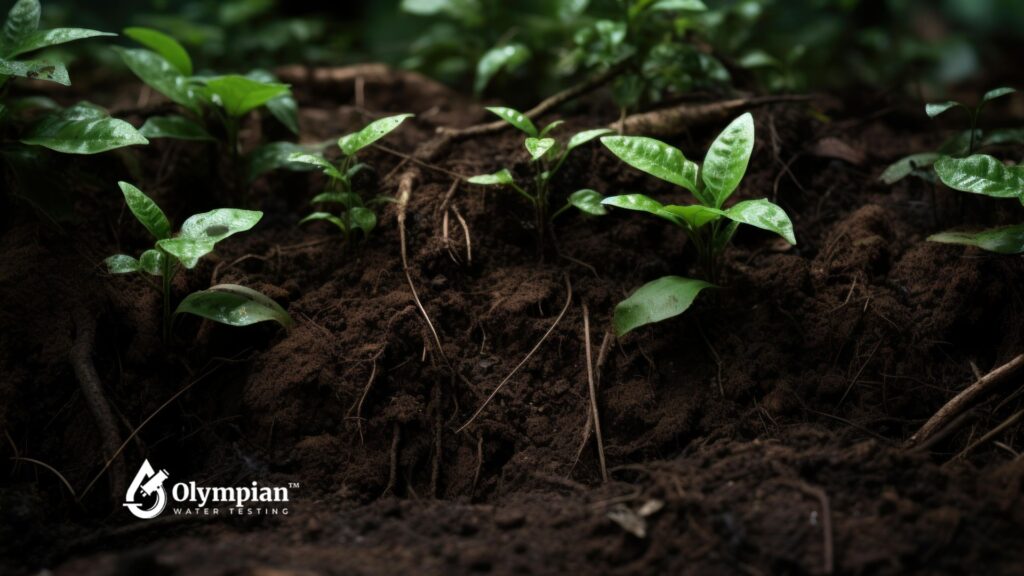
Regular use of rusty water can lead to the accumulation of iron in the soil, altering its structure and nutrient composition. Over time, this can impact soil aeration and drainage, potentially leading to root rot and other issues. Accumulated iron can also affect microbial activity in the soil, which plays a crucial role in nutrient cycling and plant health. It is advisable to monitor soil health and amend it as necessary to mitigate these risks. By incorporating organic matter and maintaining proper drainage, gardeners can help offset some of the negative impacts of iron accumulation.
Assessing Water Quality for Gardening
Before using any water source for irrigation, conducting a comprehensive water quality analysis is imperative. The analysis should include testing for iron concentration, pH level, and other potential contaminants that may affect plant health. Understanding the baseline quality of your water can help you make informed decisions about its use and any necessary treatments. By being proactive, you can prevent potential issues and ensure that your plants receive the best possible care.

Conducting a Water Quality Test
Water quality testing can be performed using commercial test kits or through a professional laboratory service. Key parameters to assess include:
- Iron Concentration: Determine if the levels are within the acceptable range for your specific plants. Regular testing can help track changes over time, allowing for timely interventions if needed.
- pH Level: Ensure the pH is conducive to plant health and does not exacerbate iron solubility. pH adjustments may be necessary to maintain balance, especially if using rusty water regularly.
- Other Contaminants: Evaluate the presence of heavy metals and other potential pollutants. Understanding the full spectrum of water quality can help prevent unexpected issues and ensure comprehensive plant health management.
Mitigation Strategies for Rusty Water
If rusty water is identified as unsuitable for your plants, consider implementing mitigation strategies such as: installing a water filtration system to remove impurities and contaminants. Additionally, you can collect rainwater in barrels, as it is typically free from rust and other pollutants. Exploring various solutions for rusty water problems will ensure your plants receive the clean, healthy water they need to thrive. Another effective option is to use chemical treatments specifically designed for water purification, which can help neutralize rust and sediment before it reaches your plants. Researching different rusty water removal methods can provide you with a range of effective solutions tailored to your specific needs. Ultimately, ensuring your plants receive the best possible water quality will contribute to their overall health and resilience.
- Water Filtration Systems: Install filters to remove excess iron and other contaminants from the water supply. This can be a cost-effective solution for maintaining water quality over time.
- Alternative Water Sources: Utilize rainwater harvesting or connect to a municipal water supply with known quality standards. Diversifying water sources can reduce reliance on rusty water and improve overall garden resilience.
- Soil Amendments: Incorporate lime or other alkaline materials to neutralize soil acidity and balance pH levels. Regular soil testing can inform the need for amendments and help maintain optimal growing conditions.
Practical Advice for Gardeners
While the presence of rust in water may initially seem alarming, it is not always detrimental to plant health. By understanding the specific needs of your plants and conducting thorough water quality assessments, you can make informed decisions about using rusty water. Educating yourself about the potential risks and benefits of rusty water can empower you to manage your garden more effectively.
Monitoring and Adjusting Practices
Regular monitoring of both water and soil quality is essential for maintaining a healthy garden. This practice allows for timely detection of any adverse changes and enables you to take corrective actions promptly. Adjust irrigation practices based on seasonal changes, plant growth stages, and any observed signs of distress in your plants. Being adaptable and responsive to the needs of your garden can significantly enhance plant health and productivity.
Expert Consultation
For complex water quality issues or large-scale gardening operations, consulting with an environmental expert or water quality specialist can provide valuable insights and tailored solutions. These professionals can offer guidance on best practices and help troubleshoot persistent problems. Engaging with experts can also provide access to advanced resources and technologies that can further support your gardening efforts.
Conclusion
In conclusion, the impact of rusty water on plants is contingent upon various factors, including iron concentration, water pH, and plant-specific tolerance levels. While trace amounts of iron can be beneficial, excessive concentrations pose a risk of toxicity. Recognizing the complexity of these interactions is key to making informed decisions about water use in gardening.
Through diligent water quality testing and strategic management practices, gardeners can effectively mitigate potential risks and ensure optimal plant health. By staying informed and proactive, you can foster a thriving and resilient garden ecosystem. As a seasoned professional in environmental consulting and water quality analysis, I encourage all gardeners to remain vigilant and proactive in their approach to water management, thereby fostering a thriving and resilient garden ecosystem.
Share this on social media:
Facebook
Twitter
LinkedIn

Related Posts