
Is RO Water Good for You?
- Published:
- Updated: January 10, 2025
Listen to this article
Summary
Reverse Osmosis (RO) water is praised for its ability to remove contaminants, improving water purity. However, it also has some drawbacks, such as mineral depletion and wastewater production. Understanding its benefits and potential downsides can help consumers decide whether it aligns with their health and environmental goals.
Key Points:
- Contaminant Removal: RO water eliminates harmful substances like lead, chlorine, and nitrates, making it safer for consumption.
- Improved Taste: RO water often tastes better and encourages more hydration by removing unpleasant odors and flavors.
- Considerations: Potential mineral depletion and wastewater production are key concerns, as well as the initial cost and maintenance of RO systems.

The question of whether Reverse Osmosis (RO) water is beneficial has garnered significant attention in recent years. With concerns about tap water quality on the rise, many individuals are turning to RO systems as a solution. This shift is largely driven by growing awareness of contaminants and pollutants that can be present in municipal water supplies. In this article, we will explore the intricacies of RO water, explore its potential benefits, and examine any considerations that should be taken into account.
Understanding Reverse Osmosis
Reverse Osmosis is a water purification process that employs a semi-permeable membrane to remove ions, molecules, and larger particles from drinking water. This technology has been widely adopted in both domestic and industrial settings due to its efficiency in eliminating contaminants. The process is highly effective in reducing a broad spectrum of impurities, making it a preferred choice for those seeking cleaner water. Furthermore, its adaptability to different water sources, from well water to seawater, underscores its versatility and effectiveness.
The Mechanics of RO Systems
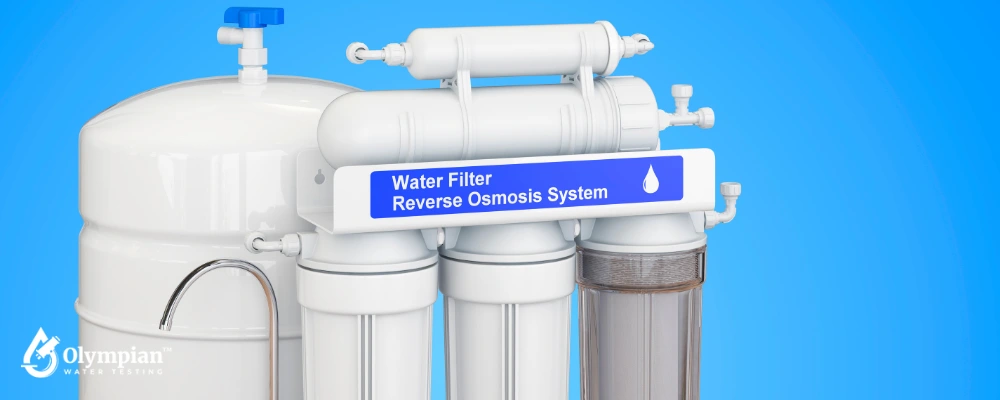
At its core, an RO system functions by applying pressure to water, forcing it through a membrane that filters out impurities. This process effectively reduces the presence of dissolved solids, bacteria, and other contaminants that may be present in tap water. The semi-permeable membrane acts as a fine sieve, allowing only water molecules to pass through while blocking larger particles. As a result, RO water is often lauded for its purity and safety, providing peace of mind to consumers concerned about water quality.
The Benefits of RO Water
The advantages of RO water extend beyond its capacity to purify. Here are some key benefits that highlight why RO water is considered advantageous. Understanding these benefits can help consumers make informed choices about their water purification needs.
Removal of Contaminants
One of the primary benefits of RO water is its ability to remove a wide range of contaminants. This includes harmful substances such as lead, chlorine, fluoride, and nitrates. These contaminants, if consumed over time, can pose serious health risks, making their removal crucial. By eliminating these impurities, RO systems provide cleaner, safer drinking water, reducing the risk of exposure to potentially harmful substances.
Improved Taste and Odor
Tap water can sometimes carry an unpleasant taste or odor due to the presence of chlorine and other chemicals. RO water, having undergone rigorous filtration, typically offers a more pleasing taste and aroma, enhancing the overall drinking experience. This improvement in taste can also encourage increased water consumption, which is beneficial for maintaining hydration. For households where taste is a significant concern, RO systems offer a practical solution to enhance water quality.
Healthier Option
Consuming water free from contaminants can contribute to better health outcomes. By reducing exposure to harmful substances, individuals can lower their risk of health issues linked to contaminated water, such as gastrointestinal problems and certain chronic conditions. Additionally, for vulnerable populations such as children and the elderly, access to purified water can be particularly beneficial. In this way, RO water supports overall health and well-being by providing a safer hydration source.
Versatile Applications
Beyond drinking, RO water is suitable for various applications, including cooking, brewing coffee or tea, and even in aquariums. Its purity ensures that it does not interfere with the flavors of food or beverages, nor does it harm delicate aquatic life. This versatility means that RO water can be a valuable asset in any household, enhancing everyday activities. Whether for culinary uses or maintaining a healthy aquarium, RO water offers consistent quality and reliability.
Considerations and Drawbacks
While the benefits of RO water are noteworthy, it is essential to consider certain factors that may impact its suitability for individual needs. Understanding these considerations can help consumers weigh the pros and cons and make informed decisions.
Mineral Depletion
A common critique of RO water is its potential to deplete beneficial minerals such as calcium and magnesium. During the filtration process, these essential nutrients can be removed along with contaminants. While the removal of these minerals is intended to purify the water, it may also mean that individuals miss out on important dietary sources of these nutrients. For individuals relying solely on RO water for hydration, it may be necessary to supplement their mineral intake through diet or other means to ensure balanced nutrition.
Waste Water Production
RO systems are known to produce a significant amount of wastewater, which raises environmental concerns. On average, an RO system may waste between three to five gallons of water for every gallon of purified water produced. This inefficiency can be a critical consideration for environmentally conscious consumers. Finding ways to repurpose or reduce wastewater can help mitigate this issue and make RO systems more sustainable in the long run.
Initial Cost and Maintenance
The installation and maintenance of an RO system can represent a significant investment. Regular filter replacement and system upkeep are necessary to ensure optimal performance, which can incur additional costs over time. While the initial outlay may be high, the long-term benefits of cleaner water may justify the expense for many households. Consumers should factor in these costs when deciding whether an RO system is the right choice for their needs.
How RO Water Compares to Tap Water
When evaluating RO water against tap water, several key distinctions become apparent. Tap water, while subject to rigorous testing and treatment, can still contain trace amounts of contaminants due to aging infrastructure or environmental factors. This is particularly true in areas where water pipes are old or where industrial runoff may affect water quality. In contrast, RO water offers a more controlled and predictable quality, making it an appealing option for those prioritizing purity.
Tap Water Testing
For individuals concerned about tap water quality, regular testing is advisable. Comprehensive water testing can identify specific contaminants present in your local water supply, allowing for informed decisions regarding purification methods. Tap water testing kits are available for home use, or you can engage a professional service for more detailed analysis. By understanding the specific challenges of your local water supply, you can tailor your purification strategy to best meet your needs.
Practical Advice for RO Water Users
To maximize the benefits of RO water, consider the following tips. These suggestions can help you optimize the use of your RO system and ensure you are getting the best possible water quality.
- Supplement Mineral Intake: If relying heavily on RO water, ensure your diet includes a variety of mineral-rich foods or consider supplements to maintain balanced nutrition. This can help offset any potential losses from the water purification process.
- Monitor System Efficiency: Regularly check your RO system for leaks or malfunctions. Prompt maintenance can extend the life of your system and ensure water quality remains high. Keeping your system in good working order is essential for maintaining its performance.
- Be Mindful of Waste: Explore ways to repurpose RO wastewater, such as using it for gardening or cleaning purposes, to mitigate environmental impact. This can help reduce the ecological footprint of your water purification efforts.
Conclusion
In conclusion, RO water presents a viable solution for those seeking purified water free from contaminants. While it offers numerous benefits, including improved taste and safety, potential drawbacks such as mineral depletion and wastewater production must be considered. By understanding the mechanics and implications of RO water, consumers can make informed decisions that align with their health and environmental goals.
Ultimately, the choice between RO water and tap water hinges on individual preferences and circumstances. By remaining informed and proactive, you can ensure that your water consumption supports your overall well-being. Whether you prioritize purity, taste, or environmental impact, understanding your options can help you make the best choice for your lifestyle.
Share this on social media:
Facebook
Twitter
LinkedIn