
Olympian Water Testing™
- On Site Laboratory Testing
- PWTA Well Water Testing for Real Estate Transactions
- DOH / DEP / EPA / NELAP Standards
- Residential & Commercial
- E. coli and Total Coliform
- Heterotrophic Plate Count
- Heavy Metals
- Chemicals
- Microplastics
- Iron
- Lead
- Copper
- PFAS / PFOS
- VOCs
- HAA5
- All Contaminants
Celebrating New York's #1 Consumer Choice for 35 Consecutive Years
Olympian Water Testing delivers expert water testing and analysis, targeting contaminants like microplastics, PFAS, VOCs, heavy metals, E. coli, total coliform, Legionella, and more. As the trusted choice for on-site laboratory testing, we adhere to top DOH, DEP, EPA, and NELAP standards. Our dedicated Client Services Team is available to consult with you around the clock, every day of the year, ensuring reliable support whenever you need it.
We Test in Full Compliance with The Private Well Water Testing Act for Real Estate Transactions
East Village Water Testing
Consulting & Lab Analysis
Well Testing • City / Municipal Water
✓ Well Testing ✓ City / Municipal Water
Mobile Laboratory
Sampling

Well Water
State-mandated Private Well Testing Act (PWTA) panels for home sales. We perform all required testing—including bacteria, arsenic, lead, VOCs, and nitrates—with fast turnaround and full compliance reporting.

Laboratory
Certified laboratory water testing services designed for professional, medical, and commercial applications. Full-spectrum analysis ensures precision, compliance, and scientifically valid results.

Potability
Precise potability analysis, verifying essential safety benchmarks—from coliforms to chemical residues—using laboratory-grade instrumentation to ensure water meets or exceeds national drinking standards.

Pools and Spas
Certified weekly and monthly testing for Spas, hotels and commercial pools. Focused on E. coli and total coliform detection, our lab ensures water safety compliance with NJ recreational bathing code requirements.

Lead and Copper
High-precision assays targeting lead and copper levels in water systems. Utilizing EPA-approved methodologies, data-driven reporting ensures regulatory compliance and safeguards public health.

Schools
Dedicated school water safety testing includes multi-point sampling and pathogen screening. Laboratory-level analysis ensures student and staff environments remain free from dangerous contaminants.

Bacteria
Advanced bacteriological screening checks for E. coli, coliforms, Legionella, and other pathogens. Laboratory-controlled procedures provide definitive results, enhancing health protection.
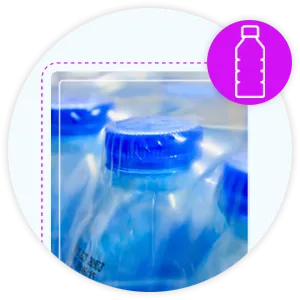
Microplastics
State‑of‑the‑art microplastic detection using spectrometry and filtration techniques. Identifies and quantifies microscopic particles, delivering laboratory-grade data on plastic contamination.
Why Choose Olympian Water Testing?
Choose Olympian Water Testing for expert, on-site analysis and trusted results that meet the highest regulatory standards for water safety.
Latest Technology
Accurate
Cost-Effective
Fast Results
Our Standards
What Our Clients Say
Contact Client Services
- ONLINE NOW
Trusted Partners
At Olympian Water Testing™, we’re dedicated to a cleaner, healthier planet, making a positive impact through every service we provide. Thank you for choosing us as your trusted sustainability partner.
Water History of East Village, New York
The East Village, a vibrant neighborhood in Manhattan’s Lower East Side, has long been intertwined with New York City’s (NYC) expansive water management history, which evolved from rudimentary local wells to one of the world’s largest gravity-fed municipal systems. In the 17th and 18th centuries, early Manhattan residents, including those in what would become the East Village, relied on dug wells and small rainwater reservoirs, such as the first public well at Bowling Green in 1677 and an East Side reservoir in 1776, amid growing contamination from nearby polluted waterways like the Collect Pond. By the early 1800s, with NYC’s population surging and cholera outbreaks highlighting the perils of groundwater sources, the city pivoted to surface water, inaugurating the Croton Aqueduct in 1842, a 41-mile engineering marvel that brought clean water from upstate reservoirs to Manhattan, dramatically improving public health and fueling urban growth in areas like the East Village.
Today, the East Village receives its water through the unified NYC water supply system, managed by the New York City Department of Environmental Protection (DEP), serving over 8.6 million residents citywide via approximately 7,000 miles of mains, tunnels, and aqueducts. Unlike decentralized districts, NYC draws 100% of its supply from protected upstate surface water sources, including the Croton, Catskill, and Delaware watersheds spanning 19 reservoirs and three controlled lakes across a 2,000-square-mile area up to 125 miles north, primarily delivered through the Delaware Aqueduct (the world’s longest at 105 miles) and Hillview Reservoir for blending and distribution to Manhattan. This gravity-driven system ensures about 1.1 billion gallons daily, with the East Village’s local infrastructure featuring historic distribution networks and modern enhancements like the ultraviolet disinfection plant at Eastview, operational since 2013, which bolsters pathogen control without filtration for most water.
The system’s operations are fortified by rigorous watershed protections, including the DEP’s Land Acquisition Program that has safeguarded over 130,000 acres since 1997, alongside partnerships under the 1997 Memorandum of Agreement with upstate communities to curb pollution. Recent infrastructure investments in Manhattan include targeted pipe replacements and upgrades to aging mains such as ongoing work under the DEP’s $20 billion capital plan to address leaks and enhance resilience, with specific efforts in Lower Manhattan focusing on corrosion control additives like phosphoric acid to prevent lead leaching. The DEP conducts over 330,000 annual tests citywide, ensuring compliance with quality standards. Currently, the system maintains fluoridation for dental health, adding fluoride post-treatment, though no discontinuation notices have been issued as of late 2025. Additionally, NYC is aggressively tackling the EPA’s Lead and Copper Rule Improvements, finalized in October 2024, which mandate full lead service line inventories by October 2024 and replacements by 2037; nearly 30% of city service lines (including potentially in the East Village’s pre-1986 buildings) are lead or unknown, prompting $15 billion in federal Bipartisan Infrastructure Law funding and state grants to accelerate removals, with public notices emphasizing at-tap testing and filters for high-risk homes to safeguard residents amid these regulatory shifts.
Westchester County: 10501, 10502, 10503, 10504, 10505, 10506, 10507, 10510, 10511, 10514, 10517, 10518, 10519, 10520, 10522, 10523, 10526, 10527, 10528, 10530, 10532, 10533, 10535, 10536, 10538, 10543, 10545, 10546, 10547, 10548, 10549, 10550, 10552, 10553, 10560, 10562, 10566, 10567, 10570, 10573, 10576, 10577, 10578, 10580, 10583, 10588, 10589, 10590, 10591, 10594, 10595, 10596, 10597, 10598, 10601, 10603, 10604, 10605, 10606, 10607, 10701, 10703, 10704, 10705, 10706, 10707, 10708, 10709, 10710, 10801, 10803, 10804, 10805, Yonkers: 10701, 10703, 10704, 10705, 10710, Mount Vernon: 10550, 10552, 10553, New Rochelle: 10801, 10804, 10805, Peekskill: 10566, Port Chester: 10573, Rye: 10580, Tarrytown: 10591, Sleepy Hollow: 10591, Bedford: 10506, Bronxville: 10708, Cortlandt: 10567, Eastchester: 10709, Greenburgh: 10607, Harrison: 10528, New Castle: 10514, Ossining: 10562, Pelham: 10803, Pleasantville: 10570, Rye Town: 10580, Somers: 10589, Yorktown: 10598, Ardsley: 10502, Briarcliff Manor: 10510, Elmsford: 10523, Irvington: 10533, Larchmont: 10538, Lewisboro: 10590, Mamaroneck: 10543, Mount Kisco: 10549, Pelham Manor: 10803, Scarsdale: 10583, Tuckahoe: 10707, White Plains: 10601, 10603, 10604, 10605, 10606.