Pioneering Better Water Management in Modern Agriculture
- Published:
- Updated: December 16, 2024
Listen to this article
Summary
Better water management in agriculture is crucial for sustainability, crop yields, water security, and combating climate change. Innovations like precision irrigation, drought-resistant crops, water recycling, and desalination are improving efficiency. Technology plays a vital role, providing data for informed decisions. Sustainable water management offers benefits such as improved yields, water security, environmental protection, and economic advantages. Education and awareness are key to promoting better practices. The future of water management in agriculture is focused on sustainability, efficiency, and conservation to ensure water resources are used responsibly for future generations.

The biggest water consumers is agriculture and its proper use is crucial for food security and ecological conservation. Farmers can eliminate waste, save water, and produce more by paving the way for improved water management. This is not only for the agriculture industry, but also for a greener future for all of us.
What is Water Management in Agriculture?
The term farm water management means ways of managing and using water resources for irrigating, cultivating, and grazing. This is because water management is an absolute necessity for the efficient use of water, increasing yields and saving water for the future. The aim of agriculture water management is to balance crops, livestock and the environment, while also managing water in an efficient way.
Why is Better Water Management Critical in Modern Agriculture?

Better water management is critical in modern agriculture for several reasons:
- Sustainability: With water resources becoming increasingly scarce, sustainable water management practices are essential to conserve water for future generations.
- Crop yields: Effective water management can help to improve crop yields by ensuring that crops receive the right amount of water at the right time, reducing water waste, and improving crop quality.
- Water security: Better water management practices can help to ensure the security of water supplies for agriculture, reducing the risk of water scarcity and improving the reliability of water supplies for crops and livestock.
- Climate change: Climate change is affecting water supplies around the world, making it increasingly important for the agricultural industry to adopt better water management practices to ensure the sustainable use of water resources.
Innovations in Water Management in Modern Agriculture
Several innovative solutions have been developed to improve water management in modern agriculture:
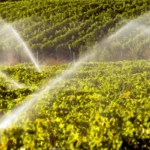
- Precision irrigation: Precision irrigation systems use technology and sensors to monitor soil moisture levels and adjust water flow, ensuring that crops receive the right amount of water at the right time. This helps to reduce water waste and improve crop yields.
- Drought-resistant crops: Drought-resistant crops have been developed to tolerate water stress, reducing the need for irrigation and conserving water resources.
- Water recycling: Water recycling systems allow for the reuse of water, reducing the need for fresh water and conserving water resources.
- Desalination: Desalination technology can be used to turn saltwater into fresh water, providing a reliable water source for agriculture in areas where freshwater is scarce.
The Role of Technology in Water Management in Agriculture
Technology is becoming more relevant for the management of water in agriculture as solutions are being invented to keep water resources safe and make use of it more efficiently. Precision irrigation systems use sensors and equipment to detect soil moisture, adjust irrigation rate and get the correct amount of water for the right time so your plants don’t waste water and they’ll produce higher yields. Recycled water systems reuse the water saving fresh water and saving water. Water management utilizing technology can offer the same data to make informed decisions about how much water we use and what is happening to water bodies.
What are the Benefits of Sustainable Water Management in Agriculture?
Agriculture is more productive if we manage our water efficiently — it has the yield, it’s the water security, it’s the environmental benefits, and it’s the economic advantages. By providing the right water at the right time to the right crop, by eliminating water losses and increasing crop quality, proper water management can optimize yields. By being smart with their water management, the agriculture sector can be proactive in keeping agricultural water supplies secure and at less risk of water depletion. Even the management of water can be designed to save water and reduce the environmental impact of agriculture. With sustainable water management, it is possible to lower the cost of water for farmers and to increase the efficacy of water use which has economic benefits for the agriculture sector.
The Importance of Education and Awareness in Water Management in Agriculture
Water management is also very much dependent on education and awareness. We can educate farmers, ranchers and the rest of the agriculture sector about water management, sustainable water management and the technologies and resources available to help promote water-wise practices and preserve water for future generations by teaching farmers, ranchers and others the value of water management. Workshops, training courses and learning materials can help inform and train the agriculture sector about water management and the advantages of water management sustainable.
The Future of Water Management in Modern Agriculture
Future of water is rosy for modern agriculture as technologies and innovation are introduced to optimize water use and reduce water use. Water-saving precision irrigation, drought-tolerant crops, water recovery and desalination will be just a few of the new roles for agriculture’s water. Even the agriculture sector will be engaged in educational and awareness activities to promote sustainable water use and strive to preserve water for future generations. The technology that controls water is only going to continue growing and it will provide useful information and help increase the productivity of water use in farming. The agricultural future of water management is one of sustainability, efficiency and conservation to manage the water resources in a way that’s sustainable and sustainable for our descendants.
Share this on social media:
Facebook
Twitter
LinkedIn