Tainted Irrigation: Contaminants, Risks, and Agricultural Impact
- Published:
- Updated: January 6, 2025
Listen to this article
Summary
Contaminated irrigation water poses risks to agriculture and human health, arising from pollutants like chemicals and pathogens. Understanding its sources, risks, and impacts is crucial for mitigating these dangers.
- Contaminated Irrigation Water: Sources and Risks
- Risks Include Health Hazards, Environmental Degradation, and Agricultural Losses
- Effective Solutions: Monitoring, Treatment, Best Practices, and Technological Innovations

Crop quality and human wellbeing are two areas where water pollution from irrigation systems is a growing problem in agriculture. Pollutants, pesticides and other chemicals may get into irrigation water and threaten the crops and the people who eat them. How to minimise these risks, to keep the environment and health safe at the same time, means that we need to be aware of the contamination sources, threats and agricultural effects.
What is Contaminated Irrigation Water?
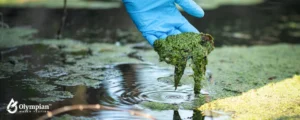
Pseudo-irrigation water: contaminated irrigation water is water polluted with chemicals, heavy metals and pathogens. This water can be from industrial or agricultural production, but also from floods and droughts. Polluted irrigation water threatens the environment and health of people as well as affects the quality and quantity of crops.
Risks of Contaminated Irrigation Water

Contaminated irrigation water poses a range of risks, including:
- Health risks: Contaminated irrigation water can contain a range of harmful substances, including chemicals, heavy metals, and pathogens. These substances can pose a risk to human health, and they can also impact the quality of crops grown using this water.
- Environmental risks: Contaminated irrigation water can also have a significant impact on the environment. For example, contaminated water can pollute waterways and groundwater, which can have a negative impact on wildlife and aquatic ecosystems.
- Agricultural risks: Contaminated irrigation water can also impact the quality and yield of crops. For example, contaminated water can contain high levels of salts, which can reduce the ability of crops to absorb water and nutrients. Additionally, contaminated water can contain pathogens that can infect crops and reduce their yield.
How Does Contaminated Irrigation Water Impact Agriculture?
Contaminated irrigation water is a growing concern in agriculture as it can lead to reduced crop yield, decreased crop quality, and increased costs. The pathogens present in contaminated water can infect crops and lower their yield, while the high levels of salts can reduce the ability of crops to absorb water and nutrients.
Contaminated water can also contain heavy metals that can accumulate in crops, making them unsafe for human consumption and impacting their flavor, appearance, and nutritional value. To address these issues, farmers may need to purchase additional chemicals or equipment to treat contaminated water, which can add to their expenses and impact the market value of their crops.
What Can Be Done to Address Contaminated Irrigation Water?
A few things can be done to remediate polluted irrigation water and agricultural damage, namely:
Monitoring water quality: Keeping track of the quality of the irrigation water is extremely important so that it remains safe for the crops and people. Decade-long water quality testing will detect any contaminants that may exist and remediate them.
Clean & Decontaminate the Water: If you have irrigation water that has been contaminated, you may need to clean the water to remove the contaminants. Treatments ranging from filtration, disinfection to chemical treatment are provided.
best practices for irrigation: Best practices for irrigation can be done so that contaminate water, and the water contamination will have no adverse effects on crops. This could be by drip irrigation which will help save a lot of water and prevent contaminants from collecting, or using rainwater or recycled water rather than fresh water.
Promote sustainable farming: Promoting sustainable farming can also help avoid contaminated irrigation water. Some examples would be using fewer toxic chemicals, using cover crops to support the health of soils, and crop rotation.
Advancing research and development: Advancing research and development of new, innovative treatments for soiled irrigation water can make sure that food crops are grown safely and sustainably. That could include creating new filters and disinfectors, and looking at other irrigation water sources.
The Future of Contaminated Irrigation Water
Irrigation water is a problem and one that will only become more acute as the world’s population continues to increase and food demand increases. But with the right policies and practices, contaminated irrigation water can be solved and crops can be produced in a safe and sustainable way. Farmers, governments and scientists can co-create a better future for agriculture and the planet together.
The Role of Technology in Addressing Contaminated Irrigation Water
There is technology that could provide a significant part of the solution for polluted irrigation water. New filtering and disinfection technologies can filter contaminating substances out of irrigation water, and new irrigation technologies like drip irrigation can cut the waste water and risk contamination. When you do research and development, new and unique technologies can emerge that address irrigated water that is polluted and produce crops that are safe and sustainable.
The Importance of Collaboration in Addressing Contaminated Irrigation Water
Cleansing contaminated irrigation water is not an easy task, involving farmers, governments, scientists and others. Partnerships allow a more holistic approach that considers the interests of all parties. And working together helps create a commonality of responsibility for treating polluted irrigation water for more efficient and sustainable outcomes.
Share this on social media:
Facebook
Twitter
LinkedIn

Related Posts