The Impact of the Clean Water Act on New York's Waterways
- Published:
- Updated: December 16, 2024
Listen to this article
Summary
The Clean Water Act has significantly improved New York’s waterways, once heavily polluted, through pollution control measures and wastewater treatment upgrades.
- Historical Perspective: Before the Act, industrial waste and sewage degraded water quality, impacting aquatic life and recreational activities.
- Key Provisions: The Act establishes water quality standards, regulates pollutant discharges, and empowers the EPA to enforce pollution control programs.
- Improvements: Upgrades to industrial facilities and wastewater treatment plants have led to cleaner waterways, with notable recoveries like the Hudson River.

New York’s waterways, for example, have been transformed by the Clean Water Act from degraded and polluted to cleaner and healthier waters. This groundbreaking bill, enacted in 1972, has established a mechanism to control and protect the state’s rivers, lakes and coastlines. Through pollution prevention, improved wastewater treatment, and watershed management, the Clean Water Act has restored and preserved New York’s water, for the good of the environment and the people who live in it.
Historical Perspective of New York's Waterways before the Clean Water Act
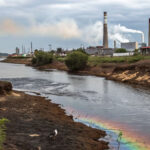
Prior to the Clean Water Act, New York’s rivers were in shambles. Industrial waste, sewage and other contaminants were regularly discharged into rivers and lakes, which polluted the water extensively. Life was fading from the waters and watersports were not always safe.
The Hudson River, for example, was so poisoned that it was classified as biologically dead. We could see how desperately we needed water pollution control, and the Clean Water Act was introduced with the promise of reversing these ecological harms.
What are the key provisions of the Clean Water Act?

The Clean Water Act fundamentally changed how we protect our water resources. Its primary goal is to restore and maintain the chemical, physical, and biological integrity of the nation’s waters. It does this through a variety of mechanisms, including:
- Establishing water quality standards for all contaminants in surface waters.
- Making it unlawful for any person to discharge any pollutant from a point source into navigable waters, unless they have a permit.
The Act provided a framework for regulating pollutant discharges into the waters of the United States and gave the Environmental Protection Agency (EPA) the authority to implement pollution control programs.
Improvements in Water Quality Following the Act
Following the implementation of the Clean Water Act, there have been significant improvements in the water quality of New York’s waterways. Industrial facilities are now required to have permits that limit the amount and type of pollutants they can discharge. Municipal wastewater treatment plants have also been upgraded and expanded, leading to a significant reduction in the discharge of untreated sewage.
For instance, the water quality in the Hudson River has improved dramatically. The river, once declared dead, now teems with life, and the water is cleaner than it’s been in over a century. This remarkable recovery is a testament to the effectiveness of the Clean Water Act.
How does the Clean Water Act play a role in protecting aquatic life?
The protection and restoration of aquatic ecosystems is one of the main objectives of the Clean Water Act. The Act made aquatic life in New York’s waterways come back on many levels.
As pollution has fallen, many species that were once lost in these waters have come back – striped bass, herring and sturgeon among them. They are also covered under the Act for wetlands, important sources of biodiversity and water-filtration sites, which help to support aquatic species recovery as well.
Impact on Recreational Water Activities
The waters have become better, which has been deeply felt by water sports in New York’s waterways. Swimming, boating, fishing: this stuff has never been safer or more pleasurable.
The Hudson River, for instance, a river previously steered clear of recreational use because of pollution, is now a prime place to fish and boat. And these also help local economies through tourism and employment, so it’s clear that clean waters can have long-term ramifications.
The Clean Water Act and Industrial Regulations
The Clean Water Act changed the way industries work. It has put heavy restrictions on industrial waste disposal, with industries obliged to treat wastewater prior to discharge.
These rules have made the water more clean but have also caused some acrimony, since they are said to be burdensome for businesses. But no one is hiding the fact that these laws are important to safeguarding our waters and preventing people from getting sick.
Continuing Challenges for New York's Waterways
For all the Clean Water Act’s progress, New York’s waters remain very bleak. A lot of water is still not meeting the Act’s water quality goals.
Stormwater runoff, combined sewer overflows and nonpoint source contamination are still impacts to water quality. And there have been new hazards, like pharmaceuticals and microplastics, which are not covered by the Act. Such perennial and future problems will require coordinated action and dynamic management.
Future Prospects and Necessary Measures
The future, of course, promises to be more work to restore and preserve New York’s waterways. This could be tightening the Clean Water Act, promoting new technologies for wastewater treatment, and green infrastructure for stormwater runoff.
It also relies on public education and engagement to keep the gains from the Act. The public can make informed decisions, and demand more robust water protections, if they are aware of the need for clean water and the threats to our waterways.
Share this on social media:
Facebook
Twitter
LinkedIn

Related Posts