A Guide to Water Contaminants and Testing Techniques for Safe Drinking Water
- Published:
- Updated: January 2, 2025
Listen to this article
Summary
Ensuring safe drinking water is essential for health. Understand common contaminants and testing methods:
Types of Contaminants:
- Microbial: Bacteria, viruses, parasites.
- Chemical: Pesticides, heavy metals, chlorine.
- Physical: Sediment, turbidity.
- Radiological: Radium, uranium.
Health Risks:
- Immediate symptoms: Diarrhea, nausea.
- Long-term effects: Cancer, kidney damage.
- Indirect effects: Altered taste, dehydration.

Making sure that the water we consume is safe and clean is very important for keeping us healthy and safe. The bad news is that water sources can become tainted with chemicals, bacteria and heavy metals. Be mindful of what can come into your drinking water and test your water regularly to ensure its safe.
Types of Water Contaminants
Water contaminants can be classified into several categories, including physical, chemical, and biological. Some of the most common contaminants include:
- Microbial contaminants: These are microorganisms such as bacteria, viruses, and parasites that can cause illness. Some examples include Escherichia coli (E. coli), Salmonella, and Cryptosporidium.
- Chemical contaminants: These include a wide range of chemicals, including pesticides, herbicides, and industrial chemicals. Some of the most commonly found chemical contaminants in drinking water include lead, arsenic, and chlorine.
- Physical contaminants: These are substances that affect the appearance, taste, and odor of water, but do not pose a health risk. Examples of physical contaminants include sand, sediment, and turbidity.
- Radiological contaminants: These are substances that emit ionizing radiation, such as radium and uranium.
It is important to note that the presence of a contaminant in water does not necessarily mean that it is harmful. Some contaminants, such as minerals like calcium and magnesium, are naturally occurring and are not harmful in small amounts. However, high levels of some contaminants can be dangerous and even life-threatening.
Health Risks Associated with Water Contaminants

The health risks associated with water contaminants depend on the type and amount of the contaminant present in the water. Some contaminants, such as bacteria and viruses, can cause immediate symptoms such as diarrhea, nausea, and vomiting. Others, such as lead and arsenic, can have long-term health effects such as cancer, kidney damage, and nervous system damage.
In addition to direct health risks, water contaminants can also have indirect effects. For example, the presence of certain chemicals in water can alter the taste and odor of the water, making it unpleasant to drink. This can lead to people drinking less water and becoming dehydrated, which can have serious health consequences.
Testing Techniques for Water Contaminants
The first step in ensuring that your drinking water is safe is to have it tested. There are several testing techniques that can be used to identify contaminants in water, including:
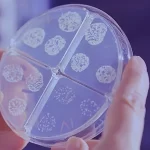
- Microbial testing: This involves testing the water for the presence of microorganisms such as bacteria and viruses. The most common method of microbial testing is through culturing, where a sample of water is incubated to see if any bacteria or viruses grow.
- Chemical testing: This involvestesting the water for the presence of chemicals such as lead, arsenic, and chlorine. The most common method of chemical testing is through laboratory analysis, where a sample of water is analyzed using specialized equipment.
- Physical testing: This involves testing the water for physical characteristics such as color, turbidity, and odor. Physical testing can be done using simple tests, such as the sniff test, where you simply smell the water to see if it has an unusual odor.
- Radiological testing: This involvestesting the water for radiological contaminants such as radium and uranium. Radiological testing is typically done using specialized equipment, such as a gamma spectrophotometer.
It is important to note that not all testing techniques are appropriate for all types of contaminants. For example, microbial testing may not be effective for detecting chemical contaminants, and vice versa. Therefore, it is important to consult with a professional to determine the best testing method for your specific needs.
How Often Should You Test Your Drinking Water?
The frequency of water testing will depend on several factors, including the source of the water, the type of contaminants present, and the health risks associated with those contaminants. For example, if you have a well and live in an area with high levels of arsenic in the groundwater, it is recommended that you have your water tested every year.
In general, it is a good idea to have your drinking water tested at least once a year, or more frequently if you have concerns about the quality of your water. Additionally, if you notice any changes in the appearance, taste, or odor of your water, it is a good idea to have it tested as soon as possible.
How to Test Water for Chemicals?
To test water for chemicals, obtain a water testing kit specific to the contaminants of concern. Collect a representative water sample according to the kit instructions. Common tests include pH, chlorine, nitrates, and heavy metals. Use test strips for quick assessments or send samples to a certified laboratory for comprehensive analysis.
Follow the kit’s guidelines for accurate results. Regular testing ensures awareness of water quality and potential health risks. Interpret results based on recommended standards or consult with water quality professionals for guidance on corrective actions if contaminants are present. Monitoring water quality is crucial for maintaining a safe and healthy water supply.
Professional water testing in a certified laboratory provides accurate and comprehensive analysis of water quality. Certified labs adhere to rigorous standards, ensuring reliable results.
What to Do If Your Water is contaminated
If your drinking water is contaminated, there are several steps you can take to ensure that it is safe to drink. The first step is to identify the source of the contamination and determine the type and amount of the contaminant present. Depending on the type and amount of the contaminant, there may be several options for treating the water, including:
- Boiling: Boiling water is an effective way to kill bacteria and viruses, but boiling water it will not remove lead or other types of contaminants such as chemicals and minerals.
- Filtering: Filtering water through a home filtration system can remove a variety of contaminants, including bacteria, viruses, chemicals, and minerals. However, it is important to choose a filter that is appropriate for the type of contaminants present in your water.
- Chemical treatment: Chemical treatment, such as the addition of chlorine or hydrogen peroxide, can be effective for killing bacteria and viruses, but it may not be appropriate for other types of contaminants.
- Distillation: Distillation involves boiling water to create steam, which is then condensed and collected as pure water. Distillation is an effective way to remove a wide range of contaminants, including bacteria, viruses, chemicals, and minerals.
It is important to work with a professional to determine the best treatment option for your specific needs. In some cases, it may be necessary to combine several treatment methods to ensure that your water is safe to drink.
The Importance of Knowing Your Water Source
It is important to know the source of your drinking water, as this will help determine the likelihood of contamination and the type of contaminants that may be present. For example, well water is more likely to be contaminated with chemicals and minerals, while surface water is more likely to be contaminated with bacteria and viruses. Understanding the source of your water can help you determine the appropriate testing and treatment methods to ensure that it is safe to drink.
It is also important to be aware of any potential sources of contamination near your water source, such as agricultural or industrial activities. If you live near a known source of contamination, it is recommended that you have your water tested more frequently to ensure that it is safe to drink.
The Importance of Proper Water Treatment and Storage
In addition to testing and treatment, it is important to follow proper water treatment and storage practices to ensure that your water remains safe to drink. This includes boiling water for at least one minute before drinking, storing water in clean and covered containers, and avoiding cross-contamination by using separate containers for drinking water and other purposes.
It is also important to regularly clean and maintain any home filtration systems to ensure that they are functioning properly and removing contaminants effectively. If you are using a public water supply, it is important to monitor the water quality reports provided by the water utility to ensure that the water is safe to drink.
Advanced Testing Techniques for Comprehensive Water Safety
In addition to basic testing methods, advanced techniques provide a more detailed analysis of water quality. Techniques such as liquid chromatography-tandem mass spectrometry (LC-MS/MS) and inductively coupled plasma mass spectrometry (ICP-MS) are used to detect trace levels of contaminants with high precision. These methods are particularly useful for identifying low concentrations of chemical contaminants, including pharmaceuticals and personal care products that may not be detected by conventional testing methods.
Conclusion: Ensuring Safe Drinking Water Through Vigilant Testing and Treatment
In conclusion, ensuring safe drinking water requires understanding potential contaminants and employing appropriate testing techniques. Microbial, chemical, physical, and radiological contaminants pose various health risks, from immediate symptoms to long-term effects. Regular testing, whether through at-home kits or professional laboratories, is essential to detect these contaminants and take corrective action.
Once contaminants are identified, suitable treatment methods such as boiling, filtration, chemical treatment, or distillation should be applied based on the type and level of contamination. Additionally, understanding your water source and potential contamination risks can guide more targeted testing and treatment efforts.
Maintaining water safety also involves proper storage and routine maintenance of filtration systems. By staying informed and proactive, you can ensure that your drinking water is clean, safe, and healthy for consumption, protecting both your health and the environment.
If you’re searching for a water analysis lab near me, look no further than Olympian Water Testing™. Our dedicated team utilizes advanced techniques to examine water samples comprehensively. Trust us to deliver accurate results and valuable insights into the quality of your water.
https://olympianwatertesting.com/the-truth-about-heavy-metals-in-drinking-water/
Share this on social media:
Facebook
Twitter
LinkedIn

Related Posts