Avoiding Water Contaminants: Risks and Prevention Measures
- Published:
- Updated: December 16, 2024
Listen to this article
Summary
Water contamination poses risks to both human health and the environment, but preventive measures can help mitigate these risks:
- Boil water, use water filters, and avoid contaminated sources to prevent ingestion of harmful pathogens and chemicals.
- Practice good hygiene to reduce the spread of waterborne diseases.
- Regularly test water quality to identify contaminants and take necessary actions to address them.

Water is one of the most basic things on Earth, yet clean and safe water is a big problem in most parts of the world. Because of chemical contaminants, pollutants, pathogens, the quality of water is compromised. This is why taking preventive steps towards water pollution is a must to protect our health and the planet.
What are the Risks of Water Contamination?
Water pollution is dangerous for human health and the environment. It may contain pathogens like bacteria, viruses, chemicals and heavy metals that can wreak havoc with health conditions like diarrhoea, cholera, typhoid and dysentery.
Apart from the human health impact, polluted water also affects the environment. Contaminants can settle in the soil and groundwater, and be taken up by plants and animals to wreck entire ecosystems.
Sewage can also be from agricultural discharges, industrial effluent and wastewater. That’s why we need to do things to keep water from contaminating and drinking water from becoming unsafe.
Prevention Measures for Water Contamination

To avoid the risks of water contamination, it’s important to take preventive measures. Here are some of the steps you can take to avoid water contaminants:
- Boil Water: Boiling water is one of the most effective ways to kill bacteria and other contaminants. Boil water for at least one minute before drinking it to kill any harmful pathogens. Boiling water is a simple and effective way to ensure the safety of your drinking water, and is especially important when traveling to areas with limited access to safe water.
- Use a Water Filter: Water filters can remove a range of contaminants, including bacteria, chemicals, and heavy metals. Choose a water filter that is appropriate for your needs, and replace it regularly to ensure it is effective. There are many different types of water filters available, including pitcher filters, faucet-mounted filters, and under-sink filters. Consider the type of contaminants in your water, as well as your budget, when choosing a water filter.
- Avoid Contaminated Sources: Avoid drinking water from sources that are likely to be contaminated, such as stagnant ponds, lakes, or rivers. Instead, choose water from a safe and reliable source, such as a municipal water supply. If you are traveling to an area with limited access to safe water, consider bringing bottled water or using a water purification system.
- Practice Good Hygiene: Good hygiene practices can help prevent the spread of waterborne diseases. Wash your hands regularly with soap and water, and avoid drinking water from sources that are likely to be contaminated. Good hygiene practices are especially important when traveling to areas with limited access to safe water.
The Importance of Testing Water Quality
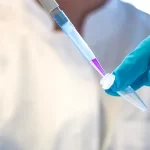
If you want to know the health of your water, test it regularly. You can test your water to see if it has any contaminates and remove them. Water test can be done by a professional lab or you can buy home water test kit. Home water test kits are easy to come by and can be used to test water for bacteria, chemicals and heavy metals. Checking water quality on a regular basis can also ensure you see if you’re at risk of any health hazards and do something about them.
What to do if you’re Water is contaminated?
If your water is dirty, you should do something about it and remove the contaminants so your water is clean. Some of what you can do are:
Fix the Water: If your water is a bad mess, you can usually disinfect it. You can boil the water, filter the water or use disinfectants such as chlorine. Your water will be treated depending on the type of contaminant you have.
Change to a Safe Source: If you can’t filter your water to remove the contaminants, change to a safe and trusted source. This can be a city water or tap water. In case you are concerned about your health or your drinking water, try to move to a healthier water source until the contamination is removed.
Tell the Authorities: In case you feel your water has been contaminated, tell the officials. This can avoid spreading waterborne diseases and keep others healthy. Not only do you become the first to report the contamination, but you also help trace the contamination and ensure it does not happen again.
The Role of Government in Ensuring Safe Drinking Water
It’s the role of the government to keep people’s drinking water safe. Governments around the world have created standards for drinking water quality, and regularly check drinking water supplies for compliance. That includes looking for bacteria, chemicals, heavy metals and anything else that might be contaminated.
Governments are not only responsible for water quality, they are also responsible for providing safe drinking water. It could be investments in infrastructure and technology to enhance water treatment and distribution, or education and training for communities on what safe drinking water looks like and how to get it.
The Importance of Sustainable Water Management
We need good water management to make sure that we will have drinking water that’s safe and available for long-term consumption. It means a whole-of-world view of water management such as the prevention and maintenance of water resources, the sustainable management of water resources, and the proper disposal of wastewater.
Sustainability involves the balance between communities, industry and the environment, too. These can include balancing water for agriculture and industry with water for human use, and using water in a manner that doesn’t damage the environment and does not take water away from future generations.
The greener we get with water management, the better our drinking water is, and will be, now and in the future. That will also maintain communities and the natural world, and ensure water is being utilised effectively and sustainably.
Share this on social media:
Facebook
Twitter
LinkedIn

Related Posts