
Long Island City’s Industrial Past and Water Contamination
Long Island City’s industrial history, dating back to the late 19th century, has left a lasting impact on its environment. The area, once a thriving industrial hub, hosted over 50 refineries. These included oil refineries, petrochemical plants, and fertilizer factories, driving the city’s economic growth. Yet, this activity also led to the release of toxic waste, such as 1,4-dioxane, into the environment.
Improper waste disposal and chemical manufacturing processes contaminated soil and groundwater. This legacy continues to harm the local ecosystem and poses health risks to residents. Newtown Creek, spanning 3.8 miles with five branches, is a prime example of this pollution.
History of Industrial Activity in Long Island City
The area near Newtown Creek was a bustling industrial zone in the mid-1800s. It became a dumping ground for raw sewage in 1856. During World War II, it was one of the busiest ports in the nation. The East Branch of Newtown Creek, covering about 11 acres, represents about 10% of the Operable Unit 1 (OU1) Study Area.
Legacy of Toxic Waste and Environmental Contamination
The industrial activity in Long Island City has left a significant environmental footprint, with 1,4-dioxane being a major concern. Classified as a probable human carcinogen by the EPA, this chemical has contaminated groundwater and drinking water. The New York State Department of Health regulates 1,4-dioxane, setting a maximum contaminant level of 50 parts per billion (ppb). They have also proposed a recommended drinking water quality MCL of 1.0 ppb, which is under review.
Remedial investigations and feasibility studies have been conducted to assess contamination and develop cleanup strategies. The Remedial Investigation (RI) for OU1 began in July 2011, with fieldwork in two phases. The final report was approved by the EPA in March 2023. An interim early action remedy for the East Branch portion of OU1, including dredging and stabilizing contaminated sediment, was selected on January 16, 2025.
1,4-Dioxane: A Persistent and Dangerous Pollutant
1,4-Dioxane, a byproduct of industrial processes, is a major environmental concern in Long Island City and elsewhere. It’s a persistent pollutant, resistant to natural breakdown, posing a long-term threat to groundwater and public health.
What is 1,4-Dioxane?
1,4-Dioxane is a synthetic compound known as a "forever chemical" due to its bio-persistence and evaporation resistance. It stabilizes solvents and is a byproduct in plastics, detergents, and personal care products. Its water miscibility and low carbon affinity make it hard to remove from water sources.
The U.S. Environmental Protection Agency (EPA) has deemed 1,4-dioxane a risk to human health. The EPA’s 2023 Draft Revised Risk Determination shows drinking water with 1,4-dioxane poses a cancer risk over one in a million. High exposure can cause drowsiness, headaches, nausea, and eye irritation. Long-term exposure harms organs like the liver, kidneys, and central nervous system.
Sources of 1,4-Dioxane Contamination in Long Island City
In Long Island City, 1,4-dioxane contamination stems from the area’s industrial history. Its production surged in the 1980s, mainly for stabilizing chemicals in aluminum aerosol cans. Industrial waste, chemical manufacturing, and leaky storage tanks have contaminated groundwater and land.
1,4-Dioxane plumes can spread quickly through groundwater, contaminating vast areas. Its persistence is shown by its detection in fewer products and lower concentrations post-1980s. Despite this, past contamination remains a significant risk to the community.
| New York State 1,4-Dioxane Limits | Maximum Concentration |
|---|---|
| Household cleaning and personal care products | 1 part per million (ppm) |
| Cosmetics | 10 parts per million (ppm) |
| Drinking water | 1 part per billion (ppb) |
New York State has set maximum concentration limits for 1,4-dioxane in products and drinking water. Yet, tackling this pollutant demands ongoing remediation, advanced water treatment, and stricter regulations. These efforts are essential to safeguard public health and the environment in Long Island City and beyond.
Current State of Long Island City Water Quality
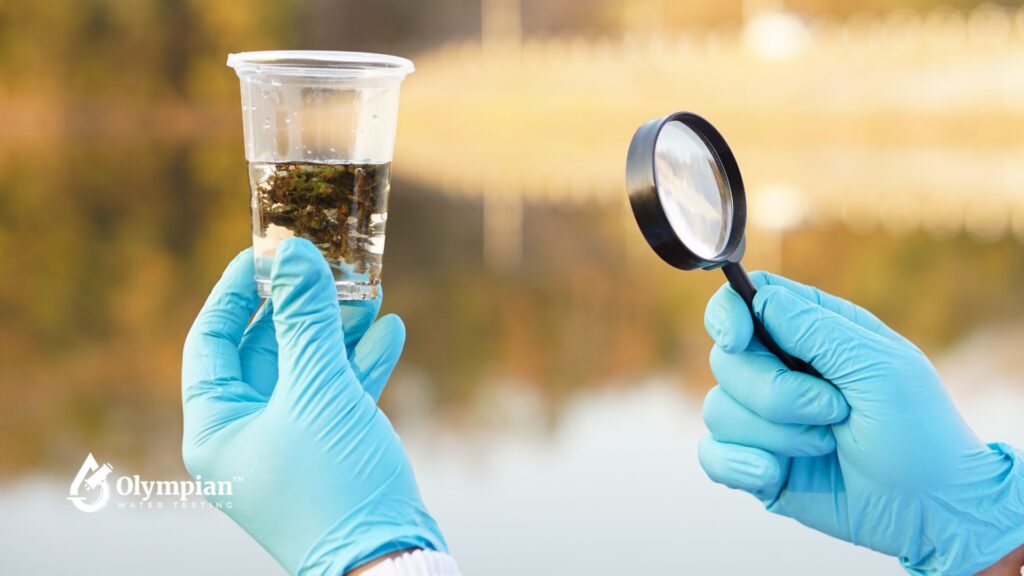
Recent studies have revealed the presence of emerging contaminants like 1,4-dioxane in Long Island City’s groundwater. New York State has set strict drinking water standards to tackle this problem. Yet, water suppliers face the task of installing filtration systems to meet these standards and comply with maximum contaminant levels.
The New York State Department of Health has suggested a drinking water quality maximum contaminant level (MCL) of 1.0 ppb for 1,4-dioxane. This proposal is under review. It aims to safeguard public health by limiting the concentration of this contaminant in drinking water.
Despite the hurdles posed by groundwater contamination, Long Island City’s municipal water supply generally adheres to federal and state safety standards. Yet, it’s critical to acknowledge that various elements can affect water quality. Regular testing is vital to detect contaminants and guarantee the safety of drinking water. Moreover, community awareness and education play a significant role in maintaining Long Island City water safety. Residents are encouraged to stay informed about potential risks and participate in local efforts aimed at preserving water quality. Through proactive measures and collaboration with local authorities, the community can help ensure that the water supply remains safe and reliable for all.
| Contaminant | Potential Sources |
|---|---|
| Lead | Corrosion of household plumbing systems |
| Heavy metals | Industrial waste, runoff from landfills |
| Chlorine and chloramines | Water treatment processes |
| Volatile organic compounds (VOCs) | Industrial solvents, fuel additives |
| PFAS | Firefighting foam, non-stick cookware |
| Radionuclides | Naturally occurring radioactive elements |
Water suppliers in Long Island City stress that removing chemicals from the aquifer is a costly endeavor needing ongoing state support. Despite these hurdles, water quality is reported to meet or exceed federal and state standards. This is due to strict guidelines and mandatory chemical filtering.

Health Risks Associated with 1,4-Dioxane Exposure
1,4-dioxane, a chemical deemed a likely human carcinogen by the U.S. Environmental Protection Agency (EPA), poses significant health risks. The CDC labels it as a clear, stable liquid that persists in water, contaminating areas like Long Island City. Those living in such polluted regions face heightened risks from prolonged exposure.

Liver and Kidney Damage
Exposure to 1,4-dioxane can severely damage vital organs, like the liver and kidneys. Laboratory rat studies have linked it to liver and nasal cancer. In humans, chronic exposure may cause liver damage and kidney failure, necessitating ongoing treatment and significantly affecting quality of life.
Increased Cancer Risk
The EPA’s classification of 1,4-dioxane as a likely carcinogen highlights the elevated cancer risk it poses. The types of cancer it may cause vary, but the risk is a major concern for those exposed. The severity of cancer risk depends on exposure duration and intensity.
Even trace amounts of 1,4-dioxane in consumer products can accumulate over time. This accumulation increases the likelihood of cancer development.
Reproductive and Developmental Effects
Beyond organ damage and cancer risk, 1,4-dioxane exposure also affects reproductive and developmental health. While more research is needed, the risk to reproductive health and fetal development is a significant concern. These effects pose serious threats to individuals and families exposed to the chemical.
| Health Risk | Potential Effects |
|---|---|
| Liver Damage | Organ failure, requiring ongoing treatment |
| Kidney Damage | Organ failure, impacting quality of life |
| Increased Cancer Risk | Development of various types of cancer |
| Reproductive Effects | Impaired reproductive health |
| Developmental Effects | Potential harm to fetal development |
Ongoing Research and Community Impact Studies
Researchers are actively addressing concerns about 1,4-dioxane contamination in Long Island City. The Yale Superfund Research Center is leading a cross-sectional study. It aims to measure 1,4-dioxane levels in water and blood samples. The goal is to understand biological responses and identify exposure markers for public health interventions.
The Citizens Campaign for the Environment (CCE) is collaborating with Yale. They focus on the health impacts of 1,4-dioxane on Long Island residents. Through community education, they aim to raise awareness and encourage participation in research. This collaboration seeks to inform policy and drive remediation efforts.
Researchers are also studying the long-term effects of 1,4-dioxane on vulnerable groups. This includes children and the elderly. By examining biological responses across different age groups, scientists aim to understand the risks better. This knowledge is essential for protecting Long Island City’s water supply.
| Organization | Research Focus | Key Objectives |
|---|---|---|
| Yale Superfund Research Center | Cross-sectional study on 1,4-dioxane levels | Monitor biological responses and identify markers of exposure |
| Citizens Campaign for the Environment (CCE) | Community health impact of 1,4-dioxane contamination | Raise awareness through community education and encourage research participation |
As research advances, it’s vital to share findings with the public. This ensures that Long Island City residents have access to safe drinking water. By prioritizing education and community engagement, we can safeguard clean water for future generations.
Regulatory Challenges and EPA Risk Evaluation
Dealing with 1,4-dioxane contamination in Long Island City is a big challenge for both government and private sectors. The EPA has found health risks from 1,4-dioxane, like liver damage and cancer. But, creating cleanup plans and setting safe limits is hard because of its lasting presence and widespread contamination.
Difficulty in Establishing Safe Exposure Limits
Setting safe exposure limits for 1,4-dioxane is a major hurdle. In April 2024, the EPA set strict drinking water standards for some PFAS, showing their dedication to health safety. Yet, setting limits for 1,4-dioxane is tougher due to limited data and varied contamination levels.
The EPA’s risk evaluation for 1,4-dioxane follows a three-step plan:
- Data Availability Phase
- Data Evaluation Phase
- Regulatory Determination Assessment Phase
This approach aims to collect enough data for informed decisions on limits and actions.
Coordination Between Government Agencies and Private Industry
Good teamwork between government and private sectors is key to tackling 1,4-dioxane in Long Island City. The EPA has outlined steps to regulate chemicals and PFAS in their "Spring 2024" Unified Regulatory Agenda. These steps include:
- Designating PFOA and PFOS as CERCLA hazardous substances in May 2024
- Requiring reporting of manufactured and imported PFAS and PFAS-containing products as of October 2023
- Proposing prohibitions on procuring personal-protective firefighting equipment containing intentionally added PFAS
- Proposing prohibitions on procuring nonstick cookware and upholstered furniture treated with stain-resistant coatings containing PFOS or PFOA
Private companies are essential in following these rules and collaborating with government to find solutions. They must change their ways to meet new standards and invest in safer materials and methods.
| EPA Action | Date | Description |
|---|---|---|
| Final CCL 5 published | November 14, 2022 | Consists of 66 chemicals, 3 chemical groups, and 12 microbial contaminants |
| Chrysotile asbestos rule finalized | First 5 months of 2024 | Bans all known uses of chrysotile asbestos and imported products containing it |
| Methylene chloride rule finalized | First 5 months of 2024 | Prohibits certain conditions of use while allowing others under a rigorous worker protection program |
Through cooperation and following EPA’s guidelines, government and private sectors can tackle 1,4-dioxane in Long Island City effectively. This will help protect public health.
Remediation Efforts and Challenges in Long Island City
Cleaning up 1,4-dioxane contamination in Long Island City is a complex and resource-intensive process. The chemical’s persistent nature makes complete remediation challenging. Advanced technologies and long-term monitoring are required. Environmental departments and local councils are working together to locate and remove contaminated soil and groundwater, focusing on the most severely affected sites.
Despite these efforts, progress has been slow. The scale of the problem and the need for careful planning and execution are significant challenges. The remediation efforts must balance the urgency of the situation with the importance of thorough assessments and targeted interventions. Community engagement plays a vital role in maintaining momentum and ensuring that cleanup efforts prioritize the most impacted areas.
Locating and Removing Contaminated Soil and Groundwater
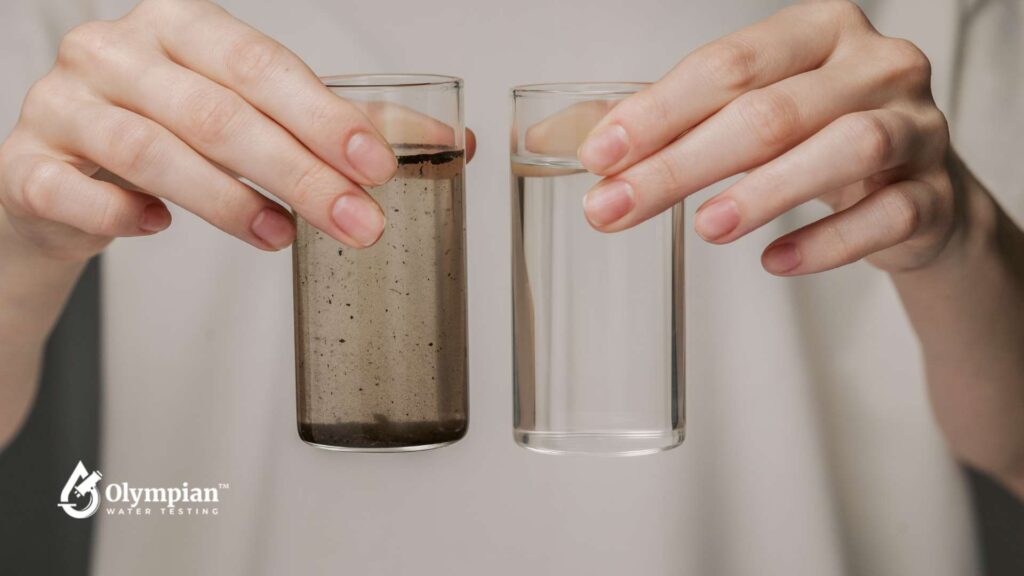
Identifying the extent of 1,4-dioxane contamination in Long Island City’s soil and groundwater is a critical first step. Advanced sampling techniques and detailed site assessments are being employed to map the distribution of the contaminant. Once identified, contaminated soil is excavated and treated using specialized methods such as thermal desorption or bioremediation.
Groundwater remediation poses additional challenges due to the mobility of 1,4-dioxane. Pump-and-treat systems are being implemented to extract contaminated groundwater. The groundwater is then treated using advanced oxidation processes or granular activated carbon filtration. These efforts aim to prevent further spread of the contaminant and restore the quality of the groundwater over time.
Importance of Community Engagement in Cleanup Efforts
Community engagement is a vital component of the remediation efforts in Long Island City. Residents and local stakeholders have a direct interest in the success of the cleanup efforts. Regular public meetings and information sessions are being held to keep the community informed about the progress of the remediation efforts and to gather feedback and concerns.
In addition to providing transparency and accountability, community engagement helps to build trust and support for the cleanup efforts. By involving residents in the decision-making process and addressing their concerns, the remediation teams can ensure that the cleanup efforts are responsive to the needs of the community. This collaborative approach is essential for the long-term success of the remediation efforts and the restoration of Long Island City’s environment.
| Funding Source | Amount | Purpose |
|---|---|---|
| Proposition 2 | $4 billion | Wastewater infrastructure modernization |
| Drinking Water Protection Program | $1.9 billion | Land conservation to protect water resources |
| Long Island Sound Futures Fund (2024) | $12.5 million | Conservation projects and grants |
The remediation efforts in Long Island City are supported by significant funding from various sources. These investments are critical for modernizing wastewater infrastructure, protecting drinking water sources, and supporting conservation projects. They contribute to the overall health of the region’s environment.
Role of Advocacy and Community Involvement
In Long Island City, advocacy and community involvement are key in tackling the 1,4-dioxane crisis. Residents, environmentalists, and activists lead in raising awareness about this contaminant’s harmful effects. They push for more aggressive cleanup efforts. Through meetings, education, and grassroots action, they make sure the voices of impacted communities are heard.
Community participation is the most effective way to hold regulatory bodies accountable. It ensures resources are allocated to protect public health and the environment. A study from March 16th to June 7th, 2023, analyzed 161 publications. It found that 33 documents were eligible for content analysis. The study showed that 55.6% of cases involved citizen science, followed by community-based monitoring at 18.2% and participatory monitoring at 13.9%.
| Method of Citizen Participation | Percentage of Cases |
|---|---|
| Citizen Science | 55.6% |
| Community-Based Monitoring | 18.2% |
| Participatory Monitoring | 13.9% |
| Participatory Action Research | 4.8% |
| Community Water Monitoring | 4.2% |
| Community Hydric Monitoring | 3.2% |
The highest level of citizen organization is often recognized as "Water Committees." The study emphasizes the need for public funding for monitoring programs. It also highlights the importance of supportive public policies at the institutional level. In Long Island City, the Drinking Water Quality Council (DWQC) plays a vital role. It provides science-based recommendations on emerging contaminants like 1,4-dioxane.
The DWQC’s mission is to protect public health by evaluating unregulated contaminants. It recommends notification levels annually. As the fight against 1,4-dioxane contamination continues, advocacy and community involvement are essential. By pressuring regulatory bodies and engaging in grassroots action, Long Island City residents can protect their right to clean drinking water. They can also ensure accountability for those responsible for the contamination.
Sustainable Urban Development in Long Island City
Long Island City is evolving from an industrial past to a vibrant residential and commercial area. The legacy of 1,4-dioxane contamination highlights the need for eco-friendly practices and strict environmental regulations.
To ensure a sustainable future, Long Island City must focus on green infrastructure and continuous monitoring of contaminated areas. Integrating nature-based solutions like green roofs and permeable pavements can reduce heat absorption and manage stormwater runoff. These initiatives enhance urban sustainability and improve residents’ quality of life.
Effective environmental regulations are key to preventing further contamination and safeguarding public health. The New York State Department of Environmental Conservation (DEC) has allocated significant funds for water quality improvements. In fact, $166 million has been awarded to 187 projects for water quality enhancements in New, with over $101 million for environmental justice communities.
Long Island City must tackle the issue of saltwater intrusion, threatening the region’s groundwater supply. Over-pumping and rising sea levels increase the risk of saltwater intrusion, affecting local agriculture and freshwater-dependent ecosystems. The city should invest in advanced water treatment technologies, like reverse osmosis systems, to remove salt and contaminants.

Importance of Green Infrastructure and Environmental Regulations
Green infrastructure is essential for sustainable urban development. It incorporates natural elements into the built environment, reducing environmental impact and creating a more livable community. Examples include:
- Green roofs
- Permeable pavements
- Rain gardens
- Bioswales
- Urban tree canopy
Robust environmental regulations are vital for ensuring eco-friendly development. These regulations should address stormwater management, energy efficiency, waste reduction, air and water quality monitoring, and brownfield remediation.
Continuous Monitoring of Contaminated Areas
Continuous monitoring of contaminated areas is critical for assessing remediation efforts and identifying threats to public health. Long Island City should establish a monitoring program with regular groundwater and soil testing, air quality monitoring, ongoing risk assessments, and public reporting.
By investing in sustainable urban development, green infrastructure, and strict environmental regulations, Long Island City can avoid past mistakes. Continuous monitoring ensures accountability and protects public health as the city evolves and prospers.
Long Island City Water Quality: A Call to Action
Long Island City’s industrial past has left a toxic legacy, with substances like 1,4-dioxane polluting its water. A joint effort by regulatory bodies, local governments, and residents is needed to tackle this pollution. As the city grows, it’s vital to focus on environmental responsibility and confront industrial contamination directly.
The New York State Department of Health has set rules for water quality reports. These reports detail contaminants and their health risks. They show the scale of pollution in Long Island City, with over 250 Superfund sites and 3,000 acres of contaminated groundwater. The ongoing legal battles over health issues linked to toxic water stress the need for immediate action.
For Long Island City’s long-term health, adopting sustainable practices is key. This means upgrading water infrastructure, enforcing strict environmental laws, and engaging the community in clean-up efforts. By working together and prioritizing environmental responsibility, we can build a cleaner, healthier future for our city.
The moment for action is now. We must face the environmental impact of Long Island City’s industrial past and take bold steps to clean our water. Through collaboration, community involvement, and a dedication to sustainability, we can revive our city’s health and secure a better future for all.
FAQ
What are the main sources of 1,4-dioxane contamination in Long Island City’s water supply?
The main sources of 1,4-dioxane contamination in Long Island City’s water include industrial waste, chemical manufacturing, and leaky storage tanks. These activities have contaminated the groundwater and surrounding land.
What health risks are associated with exposure to 1,4-dioxane?
High levels of 1,4-dioxane can severely damage the liver and kidneys, potentially leading to organ failure. The EPA classifies it as a probable human carcinogen, increasing cancer risk. Long-term exposure also harms the immune system, nervous system, endocrine system, and reproductive functions.
What is the current drinking water standard for 1,4-dioxane in New York State?
New York State proposes a drinking water quality standard of 1.0 ppb for 1,4-dioxane. This is currently under review. Water suppliers are installing filtration systems to meet these standards.
What research efforts are underway to assess the impact of 1,4-dioxane contamination in Long Island City?
The Yale Superfund Research Center is conducting a study to measure 1,4-dioxane in water and blood samples. They aim to monitor biological responses and identify exposure markers. The Citizens Campaign for the Environment (CCE) is working with Yale to study the effects on Long Island residents, focusing on education and research participation.
What challenges exist in cleaning up 1,4-dioxane contamination in Long Island City?
Cleaning up 1,4-dioxane contamination is complex and resource-intensive due to its persistence. Sophisticated technologies and long-term monitoring are needed for complete remediation. Efforts to remove contaminated soil and groundwater are ongoing, focusing on the most affected sites. Slow progress highlights the need for community engagement to ensure effective cleanup.
How can residents and advocates in Long Island City contribute to addressing the 1,4-dioxane crisis?
Residents, environmentalists, and activists are key in raising awareness about 1,4-dioxane’s harmful effects and demanding cleanup. Through meetings, education, and grassroots action, they ensure the voices of impacted communities are heard. Community involvement is vital for holding authorities accountable and securing necessary resources for public health and environmental protection.
What steps can be taken to ensure sustainable urban development in Long Island City moving forward?
Long Island City’s transition to a residential and commercial hub requires sustainable urban development. This includes adopting eco-friendly practices, investing in green infrastructure, and enforcing environmental regulations. Continuous monitoring of contaminated areas is also essential. Learning from past mistakes and prioritizing resident and environmental well-being in future development is critical for Long Island City’s long-term stability and health.