How Does Agriculture Pollute Private Wells?
- Published:
- Updated: December 24, 2024
Listen to this article
Summary
Agricultural activities are a significant source of contamination for private wells, primarily through the use of fertilizers, pesticides, and livestock waste. These pollutants can seep into groundwater and affect water quality, posing health risks to well owners.
- Common Agricultural Pollutants: Nitrates from fertilizers, pesticides, and pathogens from animal waste are common contaminants. These can cause health issues like blue baby syndrome, gastrointestinal illnesses, and long-term chronic diseases.
- Importance of Regular Testing: Regular well water testing helps detect contaminants early and ensures water safety. Testing allows for timely intervention, such as filtration or disinfection, to maintain water quality.
- Preventative Measures: Best Management Practices (BMPs) for farmers, like buffer zones and Integrated Pest Management (IPM), can reduce pollution. Well owners should also maintain their wells properly and monitor nearby agricultural practices to safeguard their water.

Private wells are a lifeline for many rural households. They provide a vital source of water for drinking, cooking, and irrigation.
However, these wells are not immune to pollution. One significant source of contamination is agricultural activities.
Agriculture, while essential for food production, can inadvertently pollute private wells. This happens through the use of fertilizers, pesticides, and livestock waste.
These pollutants can seep into groundwater, affecting the quality of well water. This poses a risk to the health of those who rely on these wells for their water supply.
Regular well water testing is crucial to ensure safe drinking water. It helps identify contaminants and take necessary action to mitigate their impact.
This article aims to shed light on how agriculture pollutes private wells, the importance of well water testing, and how to ensure safe drinking water.
Understanding the Connection Between Agriculture and Private Well Pollution
Agricultural activities are integral to rural economies. Yet, they can pose serious threats to private wells. Understanding how this connection forms is crucial for well owners.
Agricultural practices involve chemicals and waste products. These often enter surface and groundwater systems. Private wells, being part of the groundwater, are particularly vulnerable.
Pollution from agriculture typically occurs through runoff or infiltration. For instance, after a storm, water can carry pollutants from farms into nearby wells.
Key factors in this connection include:
- Use of synthetic fertilizers and pesticides
- Waste from livestock and poultry operations
- Soil erosion leading to sedimentation
Each of these factors can introduce harmful substances into well water. Recognizing these risks is the first step in addressing contamination and ensuring safe water supply for rural households.
The Role of Agricultural Runoff

Agricultural runoff occurs when rainwater or irrigation water flows over farmland. This water often picks up fertilizers, pesticides, and animal waste.
When this contaminated runoff reaches private wells, it compromises the water quality. Chemical runoff is one of the primary pathways through which agricultural pollutants reach private wells.
The process highlights the need for strategic water management and barrier installations. These can help mitigate such risks to well water quality.
Common Agricultural Pollutants Affecting Wells
Agriculture contributes several pollutants to private wells. Nitrates from fertilizers are among the most common contaminants. They can cause health problems, particularly in infants.
Pesticides used to protect crops often leach into groundwater. These chemicals can be toxic and have long-term health implications if consumed.
Pathogens from livestock waste are also a concern. Bacteria such as E. coli can infiltrate well water, posing serious health risks.
The nature of these pollutants highlights the necessity of effective monitoring and prevention strategies. Understanding the types and effects of these contaminants can lead to better protection of private wells, safeguarding the health of those dependent on them.
Health Risks of Contaminated Well Water
Contaminated well water poses serious health threats. Exposure to pollutants can lead to various health issues. These may range from acute illnesses to chronic conditions.
For instance, high nitrate levels can be dangerous for infants, resulting in conditions like blue baby syndrome. Pesticides and pathogens, common in agricultural run-off, also pose significant risks. Long-term exposure to these contaminants can lead to more severe health problems, including cancer and other chronic diseases. The consequences underscore the importance of regular testing and implementing preventative measures.
Identifying Contaminants: Nitrates, Pesticides, and Pathogens
Understanding the types of contaminants in your well water is essential. Nitrates, often from fertilizers, are particularly concerning due to their potential health impacts on infants.
Pesticides used in farming can also enter wells. They pose risks to human health, with some linked to neurological disorders and cancers. Pathogens, introduced through animal waste, include harmful bacteria like E. coli. These can cause gastrointestinal illnesses and more severe infections. Identifying these contaminants through regular well water testing is crucial for ensuring safe drinking water and safeguarding your family’s health.
The Importance of Regular Well Water Testing
Testing your well water regularly is essential for ensuring it remains safe to drink. Contaminants from agricultural practices can seep into groundwater. This makes wells vulnerable to pollution.
Regular testing helps identify contaminants early. This allows for timely remediation and reduces health risks. It provides you with peace of mind, knowing your drinking water meets safety standards. Establishing a testing routine is critical for maintaining the quality of your well water over time.
How to Test Your Well Water
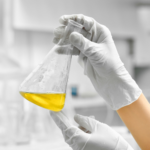
Testing your well water involves several straightforward steps. First, contact a certified laboratory specializing in water testing. They will provide you with sampling bottles and specific instructions for collecting your water sample.
Ensure you collect your sample from a frequently used faucet. Follow the guidelines carefully to avoid contamination. Return the sample promptly to the lab for analysis. Consistent testing, ideally once a year, helps you monitor your well’s water quality and detect any changes.
Interpreting Test Results and Taking Action
Understanding your test results is crucial in determining water safety. Labs provide reports detailing contaminant levels compared to safe drinking water standards. Review these results with an understanding of what each contaminant means for your health.
If contaminants are present, take immediate corrective actions. Treatment options include filtration, disinfection, or installing a reverse osmosis system. Professional guidance can help choose the best treatment method for your situation. Implementing these actions ensures your well water remains safe for consumption.
Preventative Measures to Protect Private Wells from Agricultural Pollution
Protecting private wells from agricultural pollution involves proactive measures. Understanding how agricultural activities affect water quality is the first step. Farmers and well owners both play crucial roles in safeguarding water resources.
Implementing strategies to reduce pollution risks is essential. Collaboration between farmers and well owners can lead to effective solutions. This minimizes pollutant entry into the groundwater and ensures safe drinking water for everyone involved.
Best Management Practices for Farmers
Farmers can adopt Best Management Practices (BMPs) to reduce water pollution. These practices focus on minimizing runoff and controlling waste. Techniques like buffer zones and vegetative barriers help trap potential pollutants.
Another critical practice is Integrated Pest Management (IPM). It reduces pesticide use and limits contamination risks. By embracing BMPs, farmers protect the environment while also maintaining productive land use. This approach benefits both agriculture and water quality.
Well Owners: Steps to Safeguard Your Water
Well owners must also take action to protect their water supply. Regular well maintenance and proper construction are vital. Ensuring the well is correctly sealed prevents surface contaminants from entering.
Additionally, installing proper drainage around the well site helps manage runoff. Monitoring nearby agricultural practices provides insight into potential risks. By implementing these steps, well owners can actively safeguard their water and ensure its safety for consumption.
Conclusion: The Path Forward for Safe Drinking Water
Ensuring safe drinking water from private wells requires collective effort. Both farmers and well owners must adopt practices that limit pollution. By understanding the issues and implementing preventative measures, communities can protect their vital water resources for future generations.
Resources and Assistance for Well Owners
Well owners have access to various resources for support and guidance. State extension services provide valuable information on well maintenance. Additionally, environmental organizations offer assistance and educational materials to help protect your water supply. These resources empower individuals to maintain safe drinking water effectively.
Share this on social media:
Facebook
Twitter
LinkedIn

Related Posts