Introduction to Long Island City’s Water Supply
Long Island City, a vibrant neighborhood in Queens, New York, relies on a complex network of water sources and treatment facilities. The primary source is the vast aquifer beneath Long Island, providing freshwater for the entire region. Yet, this resource is not infinite, and its management is critical for sustainability.
The Department of Environmental Protection (DEP) is key in safeguarding Long Island City’s drinking water. It conducts rigorous monitoring, employs advanced filtration, and addresses contaminants proactively. New York City’s drinking water is among the cleanest, with contaminants like PFAS levels below EPA limits.
Overview of Long Island City’s Water Sources
Long Island City’s water supply comes from several sources:
- The Croton system, with 12 reservoirs and three controlled lakes, supplies about 10% of New York City’s water. The New Croton Reservoir in Westchester County is a major part of this system.
- The Catskill and Delaware systems, together, provide most of the city’s water. They are fed by reservoirs and aqueducts from upstate New York.
The DEP invests heavily in source water protection. In the latest fiscal year, nearly $100 million was allocated for these efforts. Over $1.5 million was dedicated to ecosystem protection and invasive species management.

Importance of Clean Drinking Water
Clean, safe drinking water is vital for Long Island City’s residents. Water treatment facilities and water utility services are critical in ensuring water quality and safety. These facilities use advanced technologies to remove contaminants and maintain mineral balance.
| Contaminant | EPA Limit (ppt) | NYC Water Level (ppt) |
|---|---|---|
| PFOA | 70 | Undetectable |
| PFOS | 70 | Undetectable |
| 1,4-Dioxane | 35 | <0.2 |
Long Island City’s commitment to clean drinking water is evident. It prioritizes the well-being of its community and the sustainability of its water resources. Through ongoing monitoring, proactive maintenance, and investment in water treatment facilities and water utility services, the city ensures access to this vital resource for all residents.
Water Quality Standards and Regulations
In Long Island City, drinking water meets strict federal, state, and local standards. These rules aim to safeguard public health by controlling contaminant levels in water. They ensure the water is safe for consumption.
Federal and State Water Quality Guidelines
The United States Environmental Protection Agency (EPA) has set strict limits on contaminants. This includes lead in water pipes and per- and polyfluoroalkyl substances (PFAS). The EPA has set a new national maximum contaminant level (MCL) for PFOA and PFOS at four parts per trillion (ppt). New York State’s MCL for these substances is currently 10 ppt. Water suppliers have until 2029 to meet these new standards, with a 2027 deadline for initial monitoring.
Recent data shows:
- 8,865 sites across 50 states, the District of Columbia, and four territories have reported PFAS contamination.
- 2,394 sites have detectable levels of PFAS, based on testing from approximately 70% of community water systems.
- 143 million people in the U.S. have drinking water that has tested positive for PFAS.
Local Water Quality Initiatives
Local groups in Long Island City also play a key role in water quality. The Citizens Campaign for the Environment has been monitoring the aquifer’s contaminants. Water districts like the Village of Garden City conduct water quality testing throughout the year.
| Contaminant | Detection Range | Maximum Contaminant Level (MCL) |
|---|---|---|
| Lead | ND – 110.0 µg/l | 15 µg/l (Action Level) |
| Copper | 0.023 – 0.23 µg/l | 1.3 mg/l (Action Level) |
| Nitrate | ND – 5.9 mg/l | 10 mg/l |
| 1,4-Dioxane | ND – 0.51 µg/l | 1.0 µg/l |
| PFOS | ND – 17.0 ng/l | 10.0 ng/l |
| PFOA | ND – 13.0 ng/l | 10.0 ng/l |
These efforts highlight the dedication of local authorities and organizations. They aim to provide Long Island City residents with safe, clean drinking water.
Current State of Long Island City’s Water Quality
Concerns over Long Island City’s water quality have been growing. Recent reports have shed light on the current state of the city’s drinking water. They highlight areas for improvement and challenges that remain. Progress has been made in reducing certain contaminants, but it’s vital to compare Long Island City’s water quality to national and state averages.
Recent Water Quality Reports and Findings
A report by the Citizens Campaign for the Environment shows a decrease in toxic chemicals like PFAS and 1,4-dioxane. The study analyzed water samples from 76 districts across Long Island in 2023. It indicates positive results in controlling water pollution. Yet, it also points out that some districts have higher contaminant levels than national and state averages.
Recent findings reveal:
- Up to 94% of New Yorkers on public drinking water sourced from groundwater are predicted to have exposure to certain chemicals.
- Approximately 95 million people in the U.S. may rely on groundwater containing detectable concentrations of per- and polyfluoroalkyl substances (PFAS).
- 83% of likely voters surveyed in Long Island found the quality of drinking water to be a "serious" problem.
Comparison to National and State Averages
Understanding Long Island City’s water quality requires comparing it to national and state averages. The city has made progress in reducing contaminant levels. Yet, there is more room for improvement when compared to other regions.
| Region | Percentage of Population with PFAS Exposure |
|---|---|
| New York (public groundwater supply) | 74-94% |
| New York (domestic supply, e.g., private wells) | Up to 56% |
| United States | Approximately 95 million people |
The table shows the percentage of the population exposed to PFAS in different regions. It’s clear that a significant portion of New Yorkers, mainly those using groundwater, face exposure risks. Implementing effective water pollution control and promoting water conservation can help reduce these risks. This will improve water quality in Long Island City and beyond.
Common Contaminants in Long Island City’s Water
Long Island City’s water supply is plagued by various contaminants, affecting the health of its residents. These include man-made chemicals and naturally occurring substances. Each poses unique challenges to water quality and safety.

1,4-Dioxane and PFAS
1,4-dioxane and Per- and Polyfluoroalkyl Substances (PFAS), known as forever chemicals, are major concerns. These carcinogens are linked to serious health issues, including liver and kidney cancer. Studies reveal that 98% of Americans have PFAS in their blood, with 50% of New York’s public water systems showing contamination.
In the Village of Hempstead, 1,4-dioxane was found in all nine wells, affecting over 58,000 residents. The cost to replace the water treatment plant is estimated at $55 million. The Village Board voted unanimously to bond $50 million for the project.
Lead and Other Heavy Metals
Lead and other heavy metals, like copper, can enter the water through aging infrastructure and corroding pipes. These contaminants are harmful to children and pregnant women, causing developmental issues and health problems. Despite being one of the cleanest in the nation, New York City’s water system faces challenges from aging infrastructure, leading to contamination.
Chlorine and Chloramines
Chlorine and chloramines are used to disinfect water but can form harmful byproducts like trihalomethanes (THMs) when reacting with organic matter. Long-term exposure to these byproducts increases cancer risks.
| Contaminant | Percentage of NY Public Water Systems Affected | Health Risks |
|---|---|---|
| PFAS | 50% | Thyroid function, immune response |
| 1,4-Dioxane | Found in all 9 wells in Village of Hempstead | Liver and kidney cancer |
| Lead | Varies by age of infrastructure | Developmental issues, children |
| Disinfection Byproducts (THMs) | Formed during chlorination process | Increased cancer risks over time |
Addressing these contaminants requires significant investment in water treatment infrastructure and ongoing monitoring. Ensuring the safety of Long Island City’s drinking water is critical. With millions of New Yorkers affected, it’s essential for local and state authorities to prioritize clean water initiatives and protect public health.
Efforts to Improve Water Quality in Long Island City
Long Island City’s water suppliers are taking proactive steps to provide clean drinking water. They use cutting-edge technology and upgrade infrastructure to address water quality issues. This ensures the community’s growing needs are met.
The use of advanced water filtration solutions, including carbon filters, is a key initiative. These systems remove contaminants like PFAS and 1,4-dioxane. Filtering these chemicals is expensive, requiring ongoing state funding.
Infrastructure upgrades and maintenance are also vital. Suppliers are replacing old pipes and components to prevent leaks and contamination. For instance, the Bay Park Conveyance Project aims to improve water quality and storm resilience.
New York State is providing substantial funding for these efforts. This includes $273 million for water infrastructure projects and $100 million for the Lead Infrastructure Forgiveness program. The state’s commitment is over $500 million for clean water initiatives.
These investments, along with the dedication of local suppliers, are creating a better water future for Long Island City.
Water Treatment Facilities and Processes
Long Island City’s water treatment facilities follow a multi-step process. This ensures high-quality drinking water is delivered. The main steps include:
- Coagulation and flocculation: Chemicals are added to bind particles together.
- Sedimentation: The water settles, allowing particles to sink for removal.
- Filtration: The water passes through sand, gravel, and charcoal to remove contaminants.
- Disinfection: Chlorine or other disinfectants are added to kill bacteria and viruses.
Facilities also use advanced technologies, like carbon filters, to target specific contaminants. These advanced water filtration solutions are essential for meeting strict quality standards and protecting public health.
Infrastructure Upgrades and Maintenance
Maintaining and upgrading water infrastructure is critical for delivering clean drinking water. Suppliers in Long Island City are investing in various projects. These include:
- Replacing aging water mains and pipes to reduce leaks and improve pressure
- Upgrading pumping stations and treatment plants for increased capacity and efficiency
- Implementing smart water metering systems to detect leaks and encourage conservation
- Investing in stormwater management infrastructure to reduce pollution and prevent flooding
These efforts are supported by significant state and local funding. For example, Suffolk County residents approved Proposition 2. This secured $6 billion over 30 years for clean water initiatives. $4 billion will modernize wastewater infrastructure, and $2 billion will protect clean drinking water through land conservation.
By focusing on infrastructure improvements and leveraging funding, Long Island City’s water suppliers are working hard. They aim to ensure a reliable, safe, and sustainable water supply for the community.
The Role of Water Districts in Ensuring Safe Drinking Water
Water districts in Long Island City play a vital role in providing safe drinking water to residents. They adhere to strict federal and state standards, conducting thorough testing and treatment. This ensures the water quality meets health standards, protecting the community’s well-being.
Transparency is a cornerstone of their work. By sharing water quality data, they empower residents to make informed choices. They also partner with the Drinking Water Quality Council (DWQC) to stay updated on contaminants and develop strategies to combat them.
| Initiative | Description | Impact |
|---|---|---|
| Rapid Response Home Repair Program | Assists homeowners with water-related repairs | Over 1,300 homeowners assisted |
| Green Resiliency Grant Program | Funds transformative water quality projects | $60 million funded in 2024 |
| Lead Service Line Replacement | Replaces lead service lines to protect vulnerable populations | Focuses on underserved communities and children |
| Private Well Testing and Remediation | Provides financial assistance for private well owners | Addresses emerging contaminants in private wells |
Water districts are also prioritizing cybersecurity to protect water and wastewater systems. They are drafting new standards and launching grant programs to enhance security. This effort aims to safeguard the infrastructure from threats.
Their role goes beyond treatment and distribution. They are involved in water quality initiatives to protect source water. For example, the 1997 watershed agreement helps preserve New York City’s unfiltered water system. By conserving forests and reducing runoff, they maintain the natural filtration that keeps our water clean.
Monitoring and Testing of Long Island City’s Water Supply
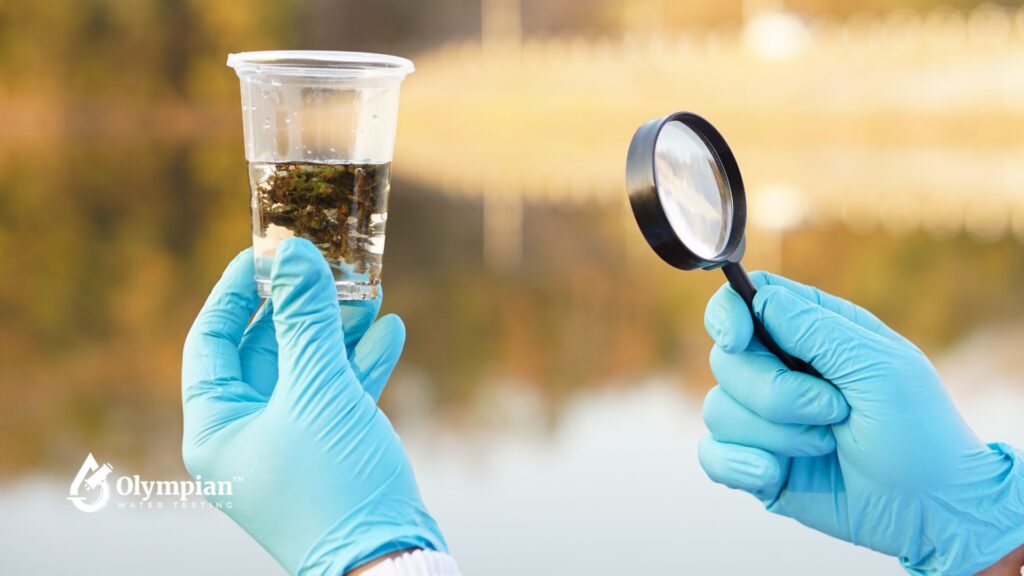
Ensuring the safety and quality of Long Island City’s drinking water is a top priority. Local water districts and health departments work tirelessly to achieve this goal. Regular monitoring and testing are essential to detect and address any contaminants or impurities that may pose a risk to public health.
Water districts in Long Island City conduct frequent water quality tests using various methods. These tests aim to maintain the highest standards of water safety. They are designed to identify a wide range of contaminants, including:
- Microbiological agents such as bacteria and viruses
- Chemical pollutants like pesticides, herbicides, and industrial waste
- Heavy metals such as lead, mercury, and arsenic
- Radiological contaminants
Frequency and Methods of Water Quality Testing
The frequency of water quality testing varies based on the contaminant and the water system’s size. Some tests are conducted daily, while others may be performed weekly, monthly, or annually. The methods used for testing differ based on the contaminant being analyzed. They may include:
- Microbiological testing using culture-based methods or rapid detection systems
- Chemical analysis using chromatography, spectroscopy, or mass spectrometry
- Heavy metal testing using atomic absorption or inductively coupled plasma mass spectrometry
- Radiological testing using alpha, beta, and gamma radiation detection methods
Transparency and Accessibility of Water Quality Data
Residents of Long Island City have the right to know about the quality of their drinking water. Water districts are required to provide annual water quality reports detailing the results of their testing. These reports, also known as Consumer Confidence Reports, are mailed to customers and available online.
In addition to annual reports, residents can access up-to-date water quality data. They can contact their local health department or visit their water district’s website. Many water districts offer online databases or interactive maps for residents to view water quality information for their specific area.
| Contaminant | EPA Limit (mg/L) | Long Island City Average (mg/L) |
|---|---|---|
| Lead | 0.015 | 0.002 |
| Copper | 1.3 | 0.05 |
| Nitrate | 10 | 1.2 |
| Total Trihalomethanes | 0.080 | 0.035 |
By staying informed about the quality of their drinking water, residents of Long Island City can have confidence in the safety of their water supply. They can take steps to protect their health if any issues arise.
Long Island City Water Conservation Measures
Long Island City is grappling with a severe dry spell, with October 2024 being the second-longest dry streak on record. The city serves around 8.3 million consumers in New York City and another 1.5 million upstate. Every effort to conserve water is critical to preserving this essential resource.

Water-Saving Tips for Residents and Businesses
Making small changes in daily habits can lead to significant water savings. Here are some tips to help reduce water consumption:
- Fixing leaky faucets can save over 3,000 gallons of water annually if dripping once per second.
- Installing water-efficient appliances, like low-flow toilets and showerheads, reduces water usage without sacrificing performance.
- Shorter showers save 5 to 7 gallons of water per minute. Filling the bathtub halfway saves 10 to 15 gallons.
- Run dishwashers and washing machines only when they are full to enhance water efficiency.
- Investing in premium filters and softeners prevents scale buildup in appliances and pipes, extending their lifespan and ensuring optimal water flow.
Initiatives to Reduce Water Waste and Promote Sustainability
Community-wide initiatives can also play a significant role in reducing water waste and promoting sustainability in Long Island City. Educational programs can increase awareness about water conservation and offer practical tips for saving water at home and work. Incentives, such as rebates for low-flow toilets and premium filters and softeners, can encourage residents and businesses to adopt water-saving technologies.
By collectively adopting water conservation measures, the Long Island City community can ensure a reliable water supply for future generations. The city’s water supply is currently at 65.9% capacity, down from the normal 76.6%. Every effort to conserve water is essential to maintaining the sustainability of this vital resource.

The Impact of Pollution on Long Island City’s Water Quality
Long Island City’s water quality is under threat from various pollution sources. Industrial activities, agricultural runoff, and improper waste disposal introduce harmful contaminants. These include volatile organic compounds (VOCs), PFAS, and radionuclides, posing serious health risks to residents and the environment.
Sources of Water Pollution in the Area
Overflowing sewage during rainy weather is a major pollution source in Long Island City. Each year, about 27 billion gallons of sewage enter the Long Island Sound. This leads to increased bacteria and contaminants in the water. Industrial activities and agricultural runoff also add harmful substances like VOCs, PFAS, and radionuclides to the water supply.
The pollution’s impact is clear in the Long Island Sound’s hypoxic conditions. Hypoxia, with oxygen levels below 3 mg/L, creates "dead zones" where aquatic life struggles. In 2024, the hypoxic area reached 43.4 square miles, lasting 38 days.
| Year | Hypoxic Area (sq. miles) | Duration of Hypoxia (days) |
|---|---|---|
| 2023 | – | 42 |
| 2024 | 43.4 | 38 |
Efforts to Control and Reduce Water Pollution
Efforts to improve Long Island City’s water quality are underway. Stricter regulations and initiatives have reduced nitrogen pollution by 58.5%. This has led to a 60% decrease in hypoxic areas compared to pre-TMDL levels.
Organizations like Save The Sound are key in protecting the Long Island Sound. Their Ecological Restoration Program has restored over 135 acres of marshland. The Clean Water Investment coalition has also invested $3 billion to combat pollution.
Despite these efforts, pollution remains a significant challenge. Ongoing monitoring, research, and investment are needed to ensure the long-term health of Long Island City’s water resources.
Addressing Concerns About Long Island City Water Quality
Residents of Long Island City are increasingly concerned about their water quality. It’s vital to address these concerns with accurate information. Misconceptions about tap water safety and the superiority of bottled water need to be cleared up. Empowering residents with knowledge is key to making informed water consumption choices.
Common Questions and Misconceptions
Many believe tap water is always safe to drink without treatment. Yet, comprehensive water testing data shows contaminants like 1,4-dioxane and PFAs in Long Island City’s water. These chemicals, found in household products, can harm health, mainly in Black communities.
Some wonder if bottled water is safer than tap. While bottled water may be treated more, it’s not always free of contaminants. The environmental impact of plastic bottles is also a concern when choosing water.
Resources for Residents Seeking More Information
To understand Long Island City’s water quality, several resources are available:
- The Village of Hempstead Water Department tests water samples and reports on contaminants. In 2023, they tested 14,000 samples for 190 chemicals, finding 32, with only 1,4-dioxane exceeding limits.
- Local water districts and organizations offer educational materials and workshops. They teach about elevated water quality and how to ensure safe drinking water, like using premium filters and softeners.
- State and local agencies share information on water quality improvement initiatives. For example, New York State allocated $37.2 million for the Village of Hempstead’s water system upgrades.
By using these resources and staying updated on water quality research and regulations, Long Island City residents can actively contribute to their community’s water safety and sustainability.
The Future of Long Island City’s Water Quality
As Long Island City grows, ensuring safe drinking water is a top priority. Water districts and local authorities are working hard. They aim to implement proactive steps and invest in water infrastructure for future generations.
Ongoing and Planned Initiatives to Ensure Safe Drinking Water
Several initiatives are underway to improve Long Island City’s water quality. These include:
- Upgrading water treatment facilities with state-of-the-art technology
- Replacing aging water mains and pipes to reduce leaks and contamination risks
- Investing in research and development of innovative water treatment methods
- Implementing stricter water quality monitoring and testing protocols
The Delaware Aqueduct Repair Project is a notable example. It’s a $2 billion investment to construct a bypass tunnel 600 feet underground. This project aims to prevent the leakage of 35 million gallons of drinking water each day. It ensures a reliable supply of 1.1 billion gallons of high-quality water to nearly 10 million residents, including 8.3 million in New York City.
Challenges and Opportunities for Improvement
Despite ongoing efforts, Long Island City’s water quality management faces challenges. These include:
- Funding limitations for infrastructure upgrades and maintenance
- Increasing population and demand for water resources
- Emerging contaminants and evolving water quality standards
- Climate change impacts, such as sea level rise and extreme weather events

Yet, these challenges also offer opportunities for innovation and collaboration. By embracing new technologies, fostering partnerships, and engaging the community, Long Island City can improve its water quality. This ensures a sustainable future.
| Initiative | Investment | Impact |
|---|---|---|
| Delaware Aqueduct Repair Project | $2 billion | Prevents leakage of 35 million gallons of water daily |
| Upgrading water treatment facilities | Ongoing | Improves water quality and safety |
| Replacing aging infrastructure | Ongoing | Reduces leaks and contamination risks |
| Research and development | Ongoing | Fosters innovation in water treatment methods |
As Robert F. Kennedy Jr., a renowned environmental activist, once said:
"Clean water is not an expenditure of Federal funds; clean water is an investment in the future of our country."
By taking proactive steps and investing in water infrastructure, Long Island City is securing a brighter, healthier future. This benefits both its residents and the environment.
What Residents Can Do to Support Clean Drinking Water Efforts
As a resident of Long Island City, you hold significant power to improve your drinking water quality. By actively supporting clean water initiatives, you contribute to your community’s access to safe water. This commitment to informed decisions for your well-being and the health of your family is a lasting investment in your health and neighborhood vitality.
Advocating for Stricter Water Quality Regulations
Advocating for stricter water quality regulations is a key way to support clean drinking water. By expressing your concerns to elected officials and regulatory bodies, you can influence positive changes in water quality standards. Focus on areas such as:
- Pushing for increased funding for water infrastructure improvements, like the $48 million for replacing lead and galvanized steel water service lines in low-income areas.
- Supporting legislation that enhances water quality monitoring and testing, ensuring regular checks for contaminants like lead, PFAS, and heavy metals.
- Advocating for greater transparency and accessibility of water quality data, empowering residents to make informed decisions about their drinking water.
Adopting Water-Friendly Practices at Home
Residents can also contribute by adopting water-friendly practices at home. Simple changes in your daily routine can significantly improve Long Island City’s water health and sustainability. Consider these steps:
- Properly disposing of chemicals, medications, and other contaminants, avoiding flushing them down drains or toilets.
- Reducing water usage by fixing leaks, installing water-efficient fixtures, and being mindful of your consumption.
- Supporting local water conservation initiatives, such as rainwater harvesting, native plant landscaping, and community education programs.
By actively supporting clean drinking water efforts, Long Island City residents can ensure safe, reliable water sources for future generations. Making informed decisions and adopting water-friendly practices at home are significant investments in your health and neighborhood vitality.
Long Island City Water: A Vital Resource for the Community
Access to safe and clean drinking water is a fundamental right and a vital resource for the Long Island City community. It’s essential for our journey to a healthier life. With over 100 billion gallons of water used for lawn maintenance each summer, it’s critical to prioritize water conservation and sustainability. Groundwater mining in Nassau County shows that more water is being extracted than can be naturally replenished by rainfall. This leads to increased costs for water treatment and could make freshwater reserves undrinkable due to saltwater intrusion.
New York State has awarded over $435 million to 102 critical water infrastructure projects, with total funding exceeding $1 billion. These investments are expected to save ratepayers about $1 billion in costs compared to financing projects independently. Enhanced grants for small, rural communities have been increased from 25% to 50% of net eligible project costs. Also, $66 million has been awarded to protect drinking water from emerging contaminants. The Environmental Facilities Corporation’s Community Assistance Teams have helped secure grants for 13 municipalities, ensuring access to safe and clean drinking water for all.
By implementing effective treatment and conservation measures, Long Island City can ensure a reliable and sustainable water supply for future generations. Residents, businesses, and local authorities must work together to protect this precious resource and promote public health and well-being. With a total investment in water infrastructure from 2017 to 2023 projected to reach $5.5 billion, and an additional $500 million allocated for clean water infrastructure in the FY25 Enacted Budget, New York State is committed to supporting Long Island City’s journey to a healthier life through access to safe and clean drinking water.
FAQ
What is the primary source of drinking water for Long Island City?
Long Island City’s drinking water comes from a vast aquifer. This aquifer is a limited resource. Long Islanders use 70% more water than the national average, mainly for lawn irrigation and golf courses.
What are some common contaminants found in Long Island City’s water?
Long Island City’s water often contains 1,4-dioxane and PFAS, known carcinogens. Lead, heavy metals, chlorine, and chloramines are also present. These contaminants can affect water quality and safety.
What efforts are being made to improve water quality in Long Island City?
To improve water quality, Long Island City’s water suppliers use advanced technology. This includes carbon filters to remove PFAS and 1,4-dioxane. Infrastructure upgrades and maintenance are also key to delivering clean water.
How can residents access water quality reports and data?
Residents can get water quality reports and data from their local health department. They can also visit the water district’s website. This helps them stay informed about their drinking water.
What can residents do to support clean drinking water efforts in Long Island City?
Residents can support clean drinking water efforts by advocating for stricter regulations. They can also adopt water-friendly practices at home. This includes properly disposing of chemicals and reducing water usage.
What are some water conservation measures that can be implemented in Long Island City?
Residents and businesses can save water by fixing leaks and using efficient appliances. They can also practice responsible irrigation. Educational programs and incentives for upgrades help ensure a reliable water supply for the future.
How does pollution impact Long Island City’s water quality?
Pollution significantly affects Long Island City’s water quality. Industrial activities, agricultural runoff, and improper waste disposal are major sources. Contaminants like VOCs, PFAS, and radionuclides pose health risks to residents.
What role do water districts play in ensuring safe drinking water for Long Island City residents?
Water districts test drinking water regularly and implement treatment processes. They must comply with federal and state standards. Transparency and accessibility of water quality data empower residents to make informed choices about their water use.