Creating Alkaline Water at Home: Tips and Techniques
- Published:
- Updated: December 16, 2024
Listen to this article
Summary
Exploring ways to make alkaline water at home is a growing trend. Here’s how:
- DIY methods like adding baking soda or lemon can raise water’s pH level.
- Alkaline water pitchers and ionizers offer convenient options, though they can be costly.
- While alkaline water may offer potential benefits, moderation and consultation with a healthcare provider are advised.

Making your own alkaline water has become trendy as people look to be as hydrated and well as possible. Alkaline water (higher pH) is believed to have health benefits, for example, in the neutralizing acidity in the body and as an antioxidant. Depending on what tips and tricks are learned, like adding alkaline compounds, using water ionizers, or alkaline filters, one can start the process of generating alkaline water in their own homes, changing the type of hydration for people who prefer and lead their lives.
The Basics of Alkaline Water
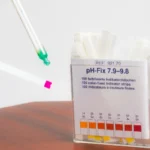
The pH value of water is called an alkaline value and it is water with a pH of 7 or above, the neutral region on the pH scale. This pH scale measures 0 to 14, in which 0 is the acidic, 14 the alkaline and 7 the neutral. The alkaline water is normally between 8 and 9.
The alkalinity of water is sometimes natural: some spring water will slide over rocks and pick up minerals, making it slightly alkaline. But it can also be faked, and this is what we’ll discuss in this post.
Health Claims and Scientific Evidence

There are lots of health benefits of alkaline water. Others say it’ll halt ageing, eliminate blood-sugar acid, facilitate better absorption of nutrients, and even fight off diseases such as cancer.
But the scientific evidence for the health of alkaline water doesn’t seem so positive, even if some researchers have speculated. You, most health specialists will tell you, pH levels are already set by the body irrespective of what you consume. So, in general, use health claims with some skepticism and always speak to a physician before making big changes to your diet or way of life.
Understanding pH Levels in Water
Water’s pH level is an indicator of how acid or alkaline the water is. pH is the ‘potential of hydrogen’ — the amount of hydrogen ion in the solution. pH is a logarithmic scale and all values below 7 in whole pH are 10 times more acidic than the next one.
When we prepare alkaline water, we raise its pH above 7. We can achieve this by many means and will see them in the rest of the sections.
How can alkaline water be made at home using the baking soda method?
Baking soda, with a pH level of 9, can be used to make DIY alkaline water. Here’s a simple method:
- Mix half a teaspoon of baking soda into a gallon of purified water.
- Shake the mixture until the baking soda is completely dissolved.
While this method is straightforward and cost-effective, it’s important to note that baking soda is high in sodium. If you’re on a low-sodium diet, consult with your doctor before using this method regularly.
What are the regulatory standards and guidelines for E. coli in drinking water?
While it might seem counterintuitive since lemons are acidic, they are also anionic. Once you consume them, they become alkaline as your body reacts with the lemons’ anions during digestion. Here’s how you can make alkaline water with lemon:
- Fill a pitcher with purified water.
- Cut a lemon into eighths and add them to the water (don’t squeeze them).
- Let the water sit for 8 to 12 hours at room temperature.
This method is simple and adds a refreshing lemon flavor to your water.
Alkaline Water Pitchers
The alkaline water pitcher is a good product to make alkaline water in the house. These pitchers are fitted with a filter that adds minerals to the water, making it pH a little higher.
If you want an alkaline water pitcher, check the pitcher’s volume, the filter life, and its pH capability. Alkaline water pitchers are a bit more expensive than home DIY options, but they are easy to make and efficient to make alkaline water with.
Water Ionizers: A High-Tech Option for Alkaline Water
Water ionisers, which separate water through an electrolysis process, do the opposite. The alkaline water can be used to drink, the acidic water to wash.
Ionizers are usually connected to a tap and require an outlet. They allow you to make the water pH based on your own liking. But the most expensive way to get home-made alkaline water is with ionisers. Then again, you don’t want to use them with pre-filtered water as they’re not supposed to clean anything up.
Safety and Considerations When Drinking Alkaline Water
Although drinking alkaline water is usually safe, it’s never a good idea to be unwary. If you consume too much alkaline water, it can result in metabolic alkalosis – a condition characterised by nausea, vomiting and tremors.
Also, if you have kidney disease, ask your doctor before regularly drinking alkaline water. The kidneys already manage the body’s pH, and drinking alkaline water might overtax this organ.
Last but not least, you’ll want to keep in mind that eating a nutritious diet rich in fruits and vegetables is a tried and tested way to detoxify the body and bring on health. Alkaline water can be part of a healthy lifestyle, but it can’t be the sole source of nutrition.
Share this on social media:
Facebook
Twitter
LinkedIn

Related Posts