Disturbing Water Pollution Situation in Djibouti
- Published:
- Updated: December 16, 2024
Listen to this article
Summary
Djibouti grapples with a severe water pollution crisis, exacerbated by its arid climate and rapid urbanization. Industrial activities, domestic waste, and inadequate sanitation infrastructure contribute to contamination of both surface and underground water sources. Efforts to address the crisis include government regulations and international aid projects, but challenges persist in enforcement and funding. Marine ecosystems suffer as well, with marine life and biodiversity at risk due to pollutants, including microplastics. Promising solutions include improved waste management, innovative water treatment technologies, and community education. The crisis not only threatens public health with waterborne diseases but also underscores the urgent need for concerted action and international cooperation to secure a cleaner, healthier future for Djibouti.
Djibouti is a small Horn of African country where the water is in desperate need of treatment. The country’s water is laced with all manner of pollution – from sewage to industrial waste and farm effluent. This pollution is bringing numerous diseases on the people of the country, such as diarrhoea, cholera and typhoid. It is also poisoning the country’s marine ecosystems – its coral reefs and its fisheries.
Understanding the Water Crisis: Djibouti's Geography and Climate
It is a small nation on the Horn of Africa, Djibouti, which has its water problems as much a result of geography and climate. It is a dry desert and there are no rivers or lakes to replenish the fresh water, so it is one of the most water-depleted countries in the world. This is a very thin, irregular and extremely evaporative country where water conservation becomes extremely difficult.
Djibouti is therefore dependent on underground and imported water. But these resources are becoming increasingly polluted, which makes the water crisis all the more difficult. Even in this harsh state, Djibouti’s population is rising and putting further pressure on the tiny reservoirs it has.
What is the role of industrialization in contributing to water pollution from industries in Djibouti?

Industrialization, while beneficial for Djibouti’s economy, has unfortunately contributed to the pollution of its limited water sources. Industrial processes often result in the discharge of toxic chemicals and heavy metals into water bodies, severely affecting water quality. Two of the most significant contributors are:
- Port activities: Djibouti serves as a key port for the region. However, activities like ship maintenance and cargo handling can result in the release of harmful pollutants.
- Livestock industry: With livestock rearing being a significant economic activity, waste from these operations often finds its way into water sources, contributing to pollution.
Domestic Waste and its Effects on Water Bodies
Aside from industrial pollution, domestic waste plays a significant role in Djibouti’s water pollution crisis. Household waste, including plastics, organic matter, and untreated sewage, often ends up in water bodies, contaminating them.
Furthermore, the lack of proper sanitation and waste management infrastructure means that waste often goes untreated, exacerbating the pollution problem. These issues are particularly acute in urban areas, where rapid population growth and urbanization have outpaced infrastructure development.
The Forgotten Crisis: Pollution of Underground Water Reserves
Subsurface water pollution is given more attention, but aquifer pollution, which occurs underground, is as bad a problem in Djibouti. These reserves are a regular source of water in this dry nation, so their pollution is very concerning.
Chemicals produced by industries and landfills can seep into the ground and poison these underground stocks. Once contaminated, these aquifers are impossible and expensive to decontaminate, which is highly detrimental to water security over the long term.
Policy and Prevention: Government Measures and International Aid Efforts
Removing Djibouti’s water pollution needs the coordinated efforts of the state and international agencies. Several measures are already underway:
Regulations by government: There are regulations in Djibouti to manage industrial discharge and disposal of waste. But the enforcement of these rules has not been easy.
International aid: UNICEF, the World Bank, etc, have undertaken water and sanitation infrastructure projects especially in cities. These projects play a critical role in not polluting the waterways more.
Yet there is a long way to go. Those programs require proper funding, regulation and community support in order to work.
Impact on Ecosystems: Marine Life and Biodiversity in Jeopardy
It’s the water pollution that’s killing Djibouti’s marine life. Chemicals and trash pumped into coastal waters destroy marine life and species. And this shakes not just the fragile equilibrium of these ecosystems but the peoples who depend on fishing.
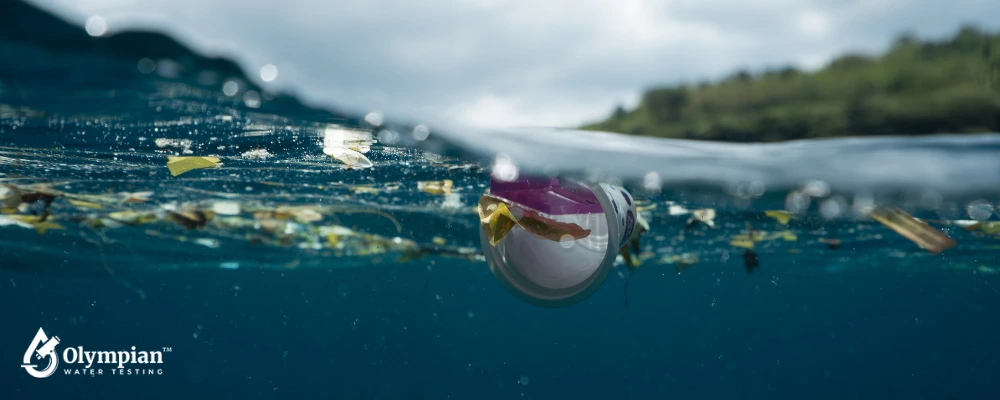
Microplastics in particular are a big risk. These small fragments can be consumed by marine animals, which can cause illness and even death. And that impacts the entire food chain – including humans eating seafood.
What are some sustainable solutions and emerging technologies being explored for addressing water quality issues?
The water pollution problem in Djibouti needs solutions, new and long-term. Some promising approaches include:
Waste Management and Recycling: Increasing waste management and increasing recycling can help to reduce the waste that gets deposited in the bodies of water.
New water treatment technologies: Technologies to purify and treat water (reverse osmosis, nanotechnology) might offer the means to purify water of contaminants.
Awareness and education: By educating the population on water conservation and water pollution, we can promote more sustainable practices at the local level.
At the end of the day, the solution to Djibouti’s water pollution crisis will require an integrated policy-tech-educational process. It’s an impossible challenge, but if we work hard and together across the globe we can make a better world.
Humanitarian Concerns: Waterborne Diseases and Public Health
And the impacts of water contamination do reach to health. Degraded water supplies spread waterborne diseases like cholera, typhoid and dysentery. But alas, these illnesses disproportionately strike at the weakest people such as children and poor people.
Not only that, chronic exposure to contaminated water has also been linked to chronic diseases such as kidney damage and cancer. The health effects of water contamination, then, are many degrees beyond the momentary onset of illness.
Share this on social media:
Facebook
Twitter
LinkedIn

Related Posts