Different Sources of Drinking Water
- Published:
- Updated: December 16, 2024
Listen to this article
Summary
Clean water is crucial for health. Sources include tap water, bottled water, and alternatives like springs, wells, and rainwater.
Tap Water:
- Treated for safety
- Generally safe, but quality may vary
- Some areas may require additional treatment
Bottled Water:
- Comes from various sources
- Convenient but can be expensive
- Environmental concerns with plastic bottles

Water is a basic necessity of health and life for human beings. Many of us are fortunate to have access to pure water from our taps – others, not so fortunate. You have drinking water from the tap, from a bottled water, or springs, wells and rainwater.
What is Tap Water?
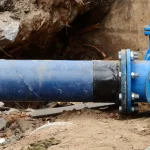
Tap water is water that a person gets from pipes and treatment facilities. — the water from the faucet has been disinfected to remove pollutants and bacteria and is often disinfected with chlorine or chloramine to keep it safe to drink. A lot of the world is safe to drink tap water because it is a source of clean water.
But in some locales tap water may not be safe for drinking due to high levels of contaminants or other water treatment problems. These individuals would need to use alternative water sources, or try to tame their tap water so it can be drank.
What is Bottled Water?

Bottled water: water sold in bottles, either of plastic or glass. Bottled water is possible from springs, wells, municipal water and even tap water. Other bottled water is filtered and disinfected, and some is just filtered and then mixed with minerals for flavour.
Bottled water is also a great and convenient way to have drinking water if you live in an area where there isn’t safe drinking water available. But bottled water is also often more expensive than other types of drinking water, and plastic bottles aren’t always green. What’s more, certain brands of bottled water are not even required to be as compliant with regulations and standards as well as the tap water you use so make sure you research the bottled water to make sure it is of high quality and safe to drink.
Alternative Sources of Drinking Water
In addition to tap water and bottled water, there are also alternative sources of drinking water, including:
- Springs: Springs are natural sources of water that flow from the ground and are often considered to be some of the purest sources of drinking water. Some springs are protected and preserved for their natural beauty and water quality, while others are developed into commercial water sources.
- Wells: Wells are man-made structures that allow people to access groundwater for drinking and other purposes. Wells can be dug by hand or drilled using special equipment, and can provide a reliable source of clean drinking water in areas where other sources are scarce.
- Rainwater: Rainwater is water that is collected from the roofs of buildings and stored in tanks or cisterns for later use. Rainwater is typically considered to be pure and free of contaminants, making it a popular alternative source of drinking water in some parts of the world.
Alternative sources of drinking water, such as springs and wells, can provide a reliable source of clean drinking water in areas where other sources are scarce or not considered safe for consumption. However, it is important to consider the quality and safety of these sources before using them for drinking water, as they may not be subject to the same standards and regulations as tap water and bottled water.
The Importance of Maintaining Drinking Water Quality
Regardless of the source of drinking water, it is important to maintain its quality to ensure that it is safe and free of contaminants. This can be achieved through regular testing and monitoring of drinking water, as well as through the use of filtration and treatment systems to remove contaminants and pathogens. Governments and organizations also play a critical role in maintaining the quality of drinking water by setting standards and regulations and conducting regular monitoring and water testing.
In addition to ensuring the safety of drinking water, maintaining its quality can also have other benefits. For example, high-quality drinking water can improve the taste and appearance of food and beverages, and can help prevent the spread of waterborne illnesses and diseases. Maintaining the quality of drinking water is a shared responsibility, and requires cooperation and collaboration between individuals, communities, and governments.
How to Choose the Right Source of Drinking Water for You
When it comes to choosing the right source of drinking water, there are a number of factors to consider, including:
- Quality: The quality of drinking water can vary depending on the source. Some sources, such as springs and wells, may be naturally pure and free of contaminants, while others, such as tap water and bottled water, may be treated to remove contaminants and pathogens. It is important to consider the quality of drinking water before consuming it to ensure that it is safe and free of harmful substances.
- Convenience: Some sources of drinking water, such as tap water and bottled water, are readily available and convenient to use. Other sources, such as springs and wells, may require more effort to access and collect. When choosing a source of drinking water, it is important to consider the convenience and accessibility of the source.
- Cost: The cost of drinking water can vary greatly depending on the source. Tap water is typically the most affordable source of drinking water, while bottled water can be significantly more expensive. Alternative sources, such as springs and wells, may also require investment in equipment or infrastructure to access and use.
- Environmental Impact: The production and disposal of bottled water can have negative environmental impacts, including the consumption of resources and the generation of plastic waste. Alternative sources, such as rainwater, can be more environmentally friendly and sustainable, but may require investment in equipment or infrastructure to access and use.
The Role of Education in Promoting Safe and Sustainable Drinking Water Practices
Education is an important part of making drinking water safe and sustainable. Governments and organisations can prevent water-borne disease and illness, as well as enhance the environment, if they educate citizens and populations on the need for safe and healthy water and how to ensure it is not compromised by contaminants.
This can also be accomplished through education regarding human impacts on the quality of drinking water (the spilling of pollutants into rivers and streams, etc) and the conservation and management of water resources. Governments and organizations can train and educate citizens and the public so that they become a positive agent of preserving and saving drinking water for all future people.
Share this on social media:
Facebook
Twitter
LinkedIn

Related Posts