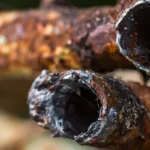
Indicators of Elevated Lead in Water
- Published:
- Updated: November 15, 2024
Listen to this article
Summary
Indicators of elevated lead in water include metallic taste or odor, staining of plumbing fixtures or clothing, discoloration of water, and low water pressure. Testing water for lead is crucial, especially in older homes or areas with lead pipes. Water treatment systems like filtration and reverse osmosis can effectively reduce lead levels. Lead in water poses serious health risks, particularly to children and pregnant women, and can harm the environment. To protect against lead exposure, use certified water filtration systems, replace lead-containing plumbing fixtures, and follow testing recommendations. Government regulations and industry efforts are vital in reducing lead exposure, while sustainable water management practices can help prevent lead contamination in the future. Continued advancements in technology and public awareness are key to ensuring lead-free water and safe drinking water for all.

Lead is a poisonous heavy metal, especially harmful to children and pregnant women. The lead can also make its way into water supply, unfortunately, through old pipes, plumbing and more, so that we might have contaminated the water we drink and use to cook and other tasks.
What is Lead and Why is it Dangerous?
The heavy metal lead is used in many industrial and domestic products such as pipes, plumbing fittings and paint. As lead gets into water supplies, it’s dangerous, particularly for children and pregnant women. The brain and nervous system develop in relation to lead, and lead also leads to anaemia, kidney damage and other conditions.
How Does Lead Enter Water Supplies?

lead gets into water systems through old pipes and faucets, from lead-contaminated plumbing fixtures, and from lead from industrial and household products. Also lead can get into water supplies via soil and groundwater contamination from industrial and agricultural processes.
Indicators of Elevated Lead in Drinking Water
There are several indicators of elevated lead in water, including:
- A metallic taste or odor in the water
- Staining of plumbing fixtures or clothing
- Discoloration of the water
- Low water pressure
If you are concerned about lead in your water, it is important to have your water tested by a certified laboratory. This can help to determine the presence and level of lead in your water, and to determine the best course of action to reduce the risk of exposure.
The Importance of Testing Your Water for Lead
Testing your water for lead is important to ensure that you are not being exposed to elevated levels of this toxic heavy metal. Regular testing can help to detect any changes in lead levels in your water over time, allowing you to take action to reduce your risk of exposure. In addition, testing your water for lead can help you to identify the source of the lead and to determine the best course of action to reduce the risk of exposure. Regular testing is especially important for homes with lead pipes or fixtures, or homes built before 1980, when lead was commonly used in plumbing materials.
The Role of Water Treatment Systems in Reducing Lead in Water
Water treatment systems, such as filtration systems and reverse osmosis systems, can play an important role in reducing lead in water. By using a certified water treatment system, you can remove lead and other contaminants from your water, reducing your risk of exposure and improving the overall quality of your drinking water. When selecting a water treatment system, it is important to choose one that is certified to remove lead and to ensure that it is installed and maintained properly.
The Impact of Lead in Water on Public Health and the Environment
Lead in water can have a significant impact on public health and the environment. In addition to causing serious health problems, especially for children and pregnant women, lead in water can contribute to soil and groundwater contamination, affecting the quality of water resources and the health of ecosystems. This, in turn, can have a cascading effect on wildlife, agriculture, and other important sectors. By reducing lead in water, we can improve public health, protect the environment, and conserve water resources for future generations.
What Can You Do to Protect Yourself and Your Family from Lead in Water?
There are several steps that you can take to protect yourself and your family from the risks associated with lead in water, including:
- Have your water tested by a certified laboratory
- Use a water filtration system that is certified to remove lead
- Run the water for several minutes before using it for drinking or cooking, especially if the water has not been used for several hours
- Replace any lead-containing plumbing fixtures or pipes in your home
By taking these steps, you can reduce your risk of exposure to lead in water and protect yourself and your family from the harmful effects of this toxic heavy metal.
The Importance of Lead-Free Plumbing Fixtures and Pipes
Waterworks without lead – You need lead-free plumbing fixtures and pipes to help avoid a lead leak in the water supply. If you choose lead-free plumbing, you won’t end up exposed to lead in your drinking water, or release lead into the air. It’s especially critical in new construction, remodeling and plumbing installations to avoid lead leaching into water supplies.
The Role of Government and Industry in Reducing Lead in Water
Water removing lead must be done in partnership with the government and industry. They can be managed by government with regulations and standards to maintain health and the environment, by industry with investment in water treatment and management, and by public education and awareness. Together, government and industry can make water cleaner, lead-safe, and safe for human consumption.
The Importance of Sustainable Water Management Practices
Reducing lead in water can also be managed by water management strategies that avoid water waste, use less water, and release fewer contaminants into water supplies. If we operate in a sustainable water model, we can save water for the future, mitigate our environmental footprint and enhance the quality of our drinking water. It can, in turn, stop lead and other pollutants from being introduced into waterways.
The Future of Lead in Water
The next decade will see technology, growing awareness and care about lead’s health effects on the environment and human health, and continuing investments in water treatment and management. As technology improves and the public is becoming more aware, we will continue to see improvements in water lead levels and lead-free drinking water for all. And only if we accept these shifts and move to the most current technologies and methods, will there be a bright future for lead-free water and healthy drinking water for all.
Share this on social media:
Facebook
Twitter
LinkedIn

Related Posts