
Overview of Local Water Sources
Staten Island’s tap water originates from the Catskill and Delaware watersheds in upstate New York. These areas, rich with forests, receive consistent runoff. This runoff remains clean due to ongoing efforts to protect the watersheds. The water then moves through extensive aqueducts before reaching treatment facilities.
Engineers and scientists monitor the water’s quality at every stage. The natural design of these watersheds minimizes the need for harsh chemicals. This results in tap water that many residents find tastes fresh. The unique mineral balance comes from pristine reservoirs. This infrastructure ensures a reliable supply for homes, businesses, and public areas.
A Snapshot of Key Water Sources
Watershed | Location | Main Benefit |
Catskill | Upstate New York | Robust forest protection |
Delaware | Upstate New York | Consistent water quality |
Key Factors Affecting Staten Island Water Quality
Water purity can change with weather shifts or habitat alterations. Home water testing reveals insights into tap water contaminants. Stormwater runoff can introduce dirt or bacteria into groundwater, raising concerns for households.
Environmental Influences
Storm surges can close beaches and increase bacterial worries. Changes in rainfall patterns speed contaminants into water systems. Communities are urged to use water wisely, reducing strain on resources.
Impact of Urban Development
Aging infrastructure can corrode pipes, releasing metals into water. Industrial sites pose risks if waste is not properly managed. Home water testing is key for families seeking to protect their health, highlighting the importance of early pollutant detection.
Factor | Possible Impact |
Stormwater Runoff | Elevates bacterial or chemical contamination |
Construction Projects | Increases sediment and debris |
Role of Water Treatment Facilities
Staten Island’s water supply is maintained through advanced water treatment processes. The New York City Department of Environmental Protection oversees these efforts. They employ systems to manage flow, eliminate impurities, and adjust pH levels. This ensures infrastructure safety and protects residents from harmful metals.
Filtration is the first step after raw water enters specially designed tanks. Sand and refined materials capture silt, sediment, and other contaminants. This process creates clear water by trapping impurities in filter beds.
Filtration Processes That Remove Contaminants
Advanced filters are regularly backwashed to ensure optimal performance. Their design blocks solid particles, preventing water from becoming cloudy. Each layer targets specific particle sizes, making the filtration process efficient before disinfection begins.
Modern Disinfection Efforts
Chlorine is used to neutralize harmful pathogens. Ultraviolet light further protects by damaging microbial DNA. This combination significantly reduces the risk of waterborne illnesses. Continuous testing for emerging contaminants showcases New York City’s dedication to public health. These methods, combining traditional techniques with modern innovations, guarantee safe tap water for residents.
Understanding Staten Island Water Quality in Official Reports
Official documents from the New York State Department of Health and the NYC Department of Environmental Protection shed light on Staten Island’s water safety. These reports, known as Consumer Confidence Reports, detail the results of various contaminant and trace element tests in the water supply.
These publications highlight the city’s commitment to maintaining high water quality standards. They reveal the ongoing efforts to keep harmful substances under federal guidelines. This transparency offers reassurance to those concerned about public health impacts.
Accessibility and simplicity make these reports invaluable. Many residents value the clear explanations of cryptosporidium levels, lead content, and other critical water safety indicators.
Readers can look forward to sections on:
- Comprehensive testing methods
- Compliance with drinking water protocols
- Continuous infrastructure improvements
Reports are published annually, providing a reliable source for current water quality information. They empower citizens to understand the measures in place to protect their tap water.
How to Test Drinking Water at Home
Many residents look for easy ways to check their tap water. Home tests help ensure the water is safe for drinking. They can uncover problems related to pipes or nearby sources, ensuring water safety at home.
It’s important to know about test kits and how often to use them. Clear instructions help household members collect samples and understand results. This simple approach can save money and build trust in local water systems.
Choosing Simple DIY Test Kits
Many brands at Lowe’s or The Home Depot offer kits for testing bacteria, metals, and pH. Some kits also check for chlorine levels, which is important for families concerned about chemicals. A quick guide usually shows how to collect samples and what to look for in results.
When and How Often to Conduct Testing
Seasonal changes and older homes with outdated plumbing often require more frequent tests. Newer homes might need checks every few months to monitor water quality. Regular testing ensures water safety and allows for quick action if results show any issues.
Health Implications for Residents
Some Staten Island homes may find trace amounts of heavy metals in their water. Lead and other contaminants can enter through aging pipes. This poses a risk to vulnerable groups. Regular checks on the NYC water supply keep residents informed and confident in the quality.
Chronic exposure to harmful substances can affect children’s development and pose risks for pregnant women. Being aware of these issues is the first step towards better water practices at home.
Common Contamination Risks
Testing reveals that corroded plumbing can introduce lead, copper, and bacteria. Regular checks and proper filtration can strengthen protection. For more on Staten Island tap water safety, visit this resource.
Potential Long-Term Effects on Well-Being
Research shows that continuous exposure to toxins can lead to developmental and immunological issues. Those relying on the NYC water supply can lower risks by following local advisories and conducting regular assessments. Making informed choices is key to maintaining health and peace of mind.
Comparing Staten Island to Other Boroughs
Each borough in New York City relies on the same major reservoir system. The age and style of local infrastructure can influence the taste and smell of tap water. This is evident when comparing Staten Island’s tap water to that of Manhattan, Queens, Brooklyn, and the Bronx.
Some property owners and residents notice minor differences in flavor or odor. These variations are often due to seasonal changes and the materials used in distribution lines. Staying informed about citywide reports is key to ensuring the trustworthiness of Staten Island’s tap water.
"Regular monitoring programs aim to keep water quality consistent across every borough," says the NYC Department of Environmental Protection.
- Check municipal alerts for any localized advisories
- Inspect building plumbing for signs of corrosion
- Use reliable filters if taste issues persist
Borough | Key Observation |
Manhattan | Historic pipelines can influence water clarity |
Queens | Mixed pipe materials may alter smell |
Brooklyn | Commercial zones require frequent checks |
The Bronx | Older buildings need regular pipe updates |
Staten Island | Consistent treatment supports reliable quality |
Best Practices for Ensuring Safe Tap Water
Improving tap water safety starts with simple steps that boost household confidence. Routine inspections and targeted upgrades significantly enhance water quality. Combining these efforts with home water testing offers clarity on risks before they become serious.
Regular Plumbing Checks and Upgrades
Pipes and fixtures can deteriorate over time, leading to unsafe water in older structures. Corroded materials can introduce harmful elements to drinking water. A skilled plumber can identify rusty lines or deteriorating fittings and recommend the necessary repairs.
These evaluations reduce the risk of lead leaching, ensuring safer water for families.
Effectiveness of Home Water Filters
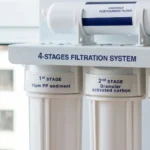
Filtration products, such as activated carbon, reverse osmosis, and pitcher systems from brands like Brita or PUR, are available. Each type targets specific contaminants, allowing individuals to choose based on their needs. Activated carbon often removes chemicals affecting taste and odor.
Reverse osmosis addresses more persistent impurities. Using home water testing alongside filters ensures a complete approach to healthier tap water.
Community Initiatives and Conservation Efforts
Local groups and neighbors unite to safeguard Staten Island’s water resources. Volunteers actively work to clear trash from beaches and canals. This effort highlights the impact of our daily actions on water quality. Through partnerships with agencies like the NYC Department of Environmental Protection, free test kits and workshops are distributed. These initiatives aim to promote responsible water use.
These efforts enhance community health and diminish public health risks associated with polluted waters. Residents are encouraged to participate in ongoing programs through simple actions. These actions include:
- Collecting litter along shoreline trails
- Promoting home-based water conservation tips
- Sharing educational resources on local drinking water
Collective action is key to preserving natural habitats and protecting tap water supplies. Every volunteer or donor plays a vital role in ensuring Staten Island’s water security for the future.
Moving Forward with Water Safety
Staten Island’s future water safety hinges on continuous collaboration. The city is committed to investing in advanced water treatment processes. This effort aims to minimize contaminants in the water supply. Neighborhood groups play a vital role by urging residents to stay updated on local testing data and infrastructure upgrades.
Community leaders and local authorities are dedicated to maintaining public health through regular inspections. Their research into improved filtration and piping systems introduces new methods to ensure tap water remains fresh. These ongoing efforts refine water treatment processes, safeguarding residents for the long haul.
They rely on official reports for timely data and disseminate safety tips through public forums. Regular home plumbing checks foster trust in the system, empowering families. This collective effort ensures Staten Island’s water supply remains secure for the future.