Content
Methyl Ethyl Ketone (2-Butanone)
Methyl ethyl ketone, also known as 2-butanone, is a colorless liquid with a sweet, fruity odor. It is commonly used as a solvent in a variety of industrial and household products, including paints, coatings, adhesives, and cleaning agents. Methyl ethyl ketone can also be found in some food products, including flavors and fragrances, as well as in tobacco smoke.
Methyl ethyl ketone can enter the environment through industrial releases, the use of products containing the chemical, and the burning of fossil fuels. It can also be released into the air through evaporation, and it can be found in surface and ground water as a result of runoff and leaching.
Methyl ethyl ketone can be present in drinking water as a result of contamination from industrial releases or the use of products containing the chemical. The concentration of methyl ethyl ketone in drinking water can vary widely, depending on the source and treatment of the water. In general, the levels of methyl ethyl ketone in drinking water are relatively low, and it is not typically considered a primary contaminant of concern.
Definition and Structure
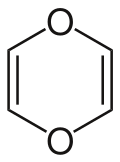
Methyl ethyl ketone is defined as a ketone, a type of organic compound characterized by a carbonyl group (C=O) bonded to two carbon atoms. The chemical structure of MEK consists of a four-carbon chain with the carbonyl group located at the second carbon, making it a simple aliphatic ketone. Its molecular formula is C4H8O, and it can be structurally represented as CH3COCH2CH3. This structure gives MEK its distinctive properties, including high solvency, low viscosity, and rapid evaporation rate. These attributes make it effective in dissolving resins, plastics, and other organic materials.
Historical Background
The commercial production and use of methyl ethyl ketone began in the early 20th century, coinciding with the growth of the chemical industry. Initially derived from butylene through hydration processes, MEK quickly found applications as a solvent due to its effectiveness and relatively low cost. The development of synthetic routes in the mid-20th century, particularly through the dehydrogenation of secondary butyl alcohol, expanded MEK’s availability and usage. Today, it is produced on an industrial scale and is a key ingredient in various products, reflecting its enduring importance in the chemical industry.
Chemical Properties
Methyl ethyl ketone exhibits several notable chemical properties that contribute to its widespread use. It is a polar solvent with a dielectric constant of 18, allowing it to dissolve a wide range of polar and non-polar substances. MEK has a boiling point of 79.6°C and a melting point of -86.3°C, with a vapor pressure of 78 mmHg at 20°C, indicating its high volatility. It is miscible with most organic solvents, including alcohols, ethers, and hydrocarbons, and is slightly soluble in water. MEK’s reactivity includes typical ketone reactions, such as nucleophilic addition and oxidation, making it versatile in chemical syntheses and industrial applications.
Synthesis and Production
Methyl ethyl ketone is primarily produced through the dehydrogenation of secondary butyl alcohol (SBA), a process that involves heating SBA in the presence of a dehydrogenation catalyst, typically copper or zinc. This method efficiently converts SBA to MEK and hydrogen gas. Another industrial method involves the oxidation of butane or butenes using a catalyst in a controlled environment. Both processes yield high-purity MEK suitable for various applications. The production of MEK is integrated into the petrochemical industry, utilizing by-products and feedstocks from other processes, thereby optimizing resource use and minimizing waste.
Applications
MEK’s excellent solvency and fast evaporation rate make it invaluable in numerous applications. It is extensively used in the paint and coatings industry to dissolve resins and polymers, ensuring smooth application and quick drying. In the adhesive and sealant industry, MEK is a key component due to its ability to bond various substrates. It is also used in the production of printing inks, where its volatility helps in the quick setting of inks on different surfaces. Additionally, MEK is employed in the extraction of fats, oils, and waxes, and as a cleaning agent in the aerospace and electronics industries.
Agricultural Uses
In agriculture, methyl ethyl ketone is not directly applied but can be involved in the synthesis of agricultural chemicals such as pesticides, herbicides, and fungicides. Its solvent properties facilitate the formulation of these chemicals, enhancing their stability, effectiveness, and ease of application. However, due to its volatility and potential environmental impact, the use of MEK in agricultural formulations is carefully controlled and monitored. Ensuring the safe handling and application of MEK-containing products is crucial to prevent adverse effects on crops, soil, and water systems.
Non-Agricultural Uses
Beyond agriculture, methyl ethyl ketone finds extensive use in industrial and consumer products. In the automotive industry, it is used as a solvent for paint and coatings, improving the finish and durability of vehicle surfaces. MEK is also critical in the manufacturing of plastics, textiles, and synthetic fibers, where it aids in polymer processing and cleaning. In the electronics industry, MEK is utilized for cleaning and degreasing components, ensuring high-quality assembly and performance. Additionally, MEK is employed in the pharmaceutical industry as a solvent in the synthesis of active pharmaceutical ingredients and in laboratory settings for various analytical purposes.
Health Effects
Exposure to methyl ethyl ketone can have several health effects, primarily through inhalation, skin contact, and ingestion. Short-term exposure to high concentrations can cause irritation of the eyes, nose, and throat, headaches, dizziness, nausea, and respiratory issues. Prolonged or repeated exposure can lead to dermatitis, central nervous system depression, and potential liver and kidney damage. MEK is metabolized in the body to 2-butanol and 2,3-butanediol, which are excreted in the urine. Occupational exposure limits are set to protect workers, and appropriate personal protective equipment and ventilation are essential to minimize health risks.
Human Health Effects
Human health effects of methyl ethyl ketone exposure can range from mild to severe, depending on the level and duration of exposure. Acute exposure may result in irritation of the eyes, skin, and respiratory system, along with neurological symptoms such as headaches, dizziness, and confusion. Chronic exposure, particularly in occupational settings, can lead to more serious health issues, including dermatitis, liver and kidney damage, and central nervous system effects. MEK’s ability to depress the central nervous system poses significant risks, especially when combined with other solvents or alcohol. Ensuring proper safety measures and monitoring in workplaces is crucial to protect against these health effects.
Environmental Impact
Methyl ethyl ketone’s environmental impact is significant due to its volatility and ability to contribute to air pollution. When released into the atmosphere, MEK can participate in photochemical reactions, forming ground-level ozone and contributing to smog formation. Its high solubility and mobility mean it can contaminate water sources, potentially affecting aquatic life. In soil, MEK can volatilize or leach into groundwater, posing risks to ecosystems and human health. Regulatory measures and best practices in handling and disposal are essential to minimize its environmental footprint. Recycling and using alternative solvents where possible can also help reduce MEK’s environmental impact.
Regulation and Guidelines
Regulation and guidelines for methyl ethyl ketone are designed to protect human health and the environment. In the United States, the Environmental Protection Agency (EPA) regulates MEK under the Clean Air Act, setting limits on emissions from industrial sources. The Occupational Safety and Health Administration (OSHA) sets permissible exposure limits (PEL) for workers, requiring proper ventilation and personal protective equipment in workplaces. The European Union classifies MEK as a hazardous substance, with regulations on its use, storage, and disposal. Compliance with these regulations is essential for ensuring safe handling and minimizing the risks associated with MEK.
Controversies and Issues
The use of methyl ethyl ketone has been subject to controversies and issues, particularly regarding its health and environmental impacts. Its volatility and potential to cause acute and chronic health effects have raised concerns in occupational settings. Environmentalists highlight the risks of air and water pollution due to MEK emissions and spills. The chemical industry faces challenges in balancing MEK’s industrial utility with the need to protect workers and the environment. Ongoing research into safer alternatives and improved safety practices aims to address these issues, promoting the responsible use and management of MEK.
Treatment Methods
Treatment methods for methyl ethyl ketone exposure and contamination focus on removal and detoxification. In cases of acute exposure, removing the affected individual from the exposure source and providing fresh air or oxygen is crucial. Skin and eye contact require thorough washing with water. For environmental contamination, methods such as air stripping, activated carbon adsorption, and bioremediation are used to remove MEK from water and soil. Industrial facilities implement containment and recovery systems to manage MEK spills and emissions. Effective treatment and mitigation strategies are essential to minimize the health and environmental impacts of MEK.
Monitoring and Testing
Monitoring and testing for methyl ethyl ketone are critical for ensuring safety and regulatory compliance. Air quality monitoring in workplaces involves using gas detectors and personal sampling devices to measure MEK concentrations. Biological monitoring, such as analyzing urine samples for MEK metabolites, helps assess exposure levels in workers. Environmental monitoring includes testing soil, water, and air samples using techniques like gas chromatography and mass spectrometry to detect and quantify MEK. Regular monitoring and testing enable the identification of contamination sources, evaluation of control measures, and protection of human health and the environment from MEK exposure.
References
- “Methyl Ethyl Ketone (2-Butanone).” US National Library of Medicine. https://www.nlm.nih.gov/
- “Methyl Ethyl Ketone (MEK).” International Chemical Safety Card. https://www.who.int/
- “Methyl Ethyl Ketone.” US Environmental Protection Agency. https://www.epa.gov/
- “Methyl Ethyl ketone.” Agency for Toxic Substances and Disease Registry. https://www.atsdr.cdc.gov/
- “Methyl Ethyl ketone.” Safe Work Australia. https://www.safeworkaustralia.gov.au/
2-Butanone
( C4H8O )

| Parameter | Details |
|---|---|
| Source | Industrial processes, solvent use, plastic production |
| MCL | No specific MCL (US EPA) |
| Health Effects | Irritation of eyes, nose, throat; headaches, dizziness, nausea |
| Detection | GC-MS, HPLC |
| Treatment | Activated carbon, air stripping |
| Regulations | OSHA, local safety guidelines |
| Monitoring | Regular testing in industrial areas |
| Environmental Impact | Air and water pollution, potential for bioaccumulation |
| Prevention | Proper industrial waste management, use of safer alternatives |
| Case Studies | Industrial spills, contamination events |
| Research | Health impact studies, alternative solvents |
Other Chemicals in Water
2-Butanone In Drinking Water
| Property | Value |
|---|---|
| Preferred IUPAC Name | Butan-2-one |
| Other Names | Methyl ethyl ketone (MEK) |
| CAS Number | 78-93-3 |
| Chemical Formula | C4H8O |
| Molar Mass | 72.11 g/mol |
| Appearance | Colorless liquid |
| Melting Point | -86 °C (-123 °F) |
| Boiling Point | 79.6 °C (175.3 °F) |
| Solubility in Water | Miscible |
Videos