Comparing UV Purifiers to Other Systems
- Published:
- Updated: January 17, 2025
Listen to this article
Summary
UV purifiers offer effective water disinfection by using UV light to deactivate pathogens. When compared to other purification methods like reverse osmosis and chemical disinfection, UV systems excel in chemical-free treatment and rapid action but have limitations that must be addressed with complementary systems.
- UV Purifiers: UV systems provide broad-spectrum pathogen removal without chemical residues, making them ideal for chemical-free purification. However, they depend on water clarity and lack residual disinfection.
- Reverse Osmosis (RO): While UV excels in pathogen removal, RO targets dissolved solids and generates wastewater. RO systems require more maintenance and water waste than UV systems.
- Chemical Disinfection: UV avoids chemical residues found in chlorination but does not provide residual protection, unlike chemical disinfectants that offer ongoing protection.
- Activated Carbon Filtration: UV and carbon filters complement each other by handling microbial disinfection and chemical contaminants, respectively.

In the realm of water purification, one encounters a myriad of systems, each with its own set of attributes and applications. Among these, ultraviolet (UV) purifiers have garnered significant attention. This article aims to elucidate the comparative efficacy of UV purifiers vis-à-vis alternative purification technologies, providing insights into their functionality, advantages, and limitations. We will also explore the importance of tap water testing in ensuring water quality.
Understanding the diverse landscape of water purification systems is crucial for making informed decisions about water treatment. With increasing concerns about waterborne pathogens and chemical contaminants, the choice of a purification system becomes even more critical. As we look further into the specifics of UV purifiers and other technologies, this discussion will help clarify the unique roles each system plays in safeguarding water quality.
Understanding Ultraviolet Water Purifiers
Ultraviolet water purifiers leverage the germicidal properties of UV light to deactivate microorganisms. The UV-C spectrum, in particular, penetrates microbial DNA, rendering pathogens such as bacteria, viruses, and protozoa incapable of replication. This non-chemical disinfection method is distinguished by its rapid action and minimal environmental footprint.
UV purifiers are particularly advantageous in settings where chemical-free treatment is preferred. They provide a solution that avoids the use of potentially harmful chemicals, thus preserving the natural state of the water. Moreover, the technology is straightforward, often making it a viable option for both residential and commercial applications. The compact design of UV systems allows them to be easily integrated into existing water treatment infrastructures, enhancing their appeal across various sectors.
Advantages of UV Water Filters

- Chemical-Free Disinfection: Unlike chlorination, UV purification does not introduce chemical residues into the water supply, thereby preserving the water’s natural taste and avoiding potential chemical byproducts. This is particularly beneficial for people sensitive to chemical tastes or allergic reactions to chlorine compounds.
- Broad-Spectrum Efficacy: UV purifiers are effective against a wide array of pathogens, including chlorine-resistant species such as Cryptosporidium and Giardia. This broad-spectrum capability ensures that a diverse range of microorganisms is targeted, providing comprehensive protection against waterborne illnesses.
- Maintenance and Operational Efficiency: With a relatively simple design, UV systems require minimal maintenance, primarily necessitating periodic lamp replacement and quartz sleeve cleaning. The ease of maintenance reduces the long-term operational costs, making UV systems a cost-effective choice for continuous water purification.
- Rapid Action: The disinfection process occurs instantaneously, allowing for the continuous treatment of water without the need for prolonged contact times. This immediacy is crucial in high-demand scenarios where large volumes of water need to be purified quickly, such as in industrial settings or emergency situations.
Limitations of UV Purifiers
Despite their merits, UV purifiers are not without limitations:
- Lack of Residual Disinfection: Unlike chemical methods, UV treatment does not provide a residual disinfectant in the water, potentially allowing for post-treatment contamination. This limitation necessitates additional measures to ensure the water remains uncontaminated after treatment, especially during storage or distribution.
- Dependence on Water Clarity: The efficacy of UV purifiers is contingent upon the clarity of the water. Suspended particles can shield microorganisms from UV exposure, necessitating pre-filtration in turbid water conditions. This requirement underscores the importance of integrating UV systems with other filtration technologies to enhance overall water treatment efficacy.
- Energy Dependency: UV systems require a continuous power supply, which may pose challenges in remote or off-grid applications. The reliance on electricity can be a significant drawback in areas with unstable power grids or in disaster-prone regions where power outages are common.
Comparative Analysis with Other Water Purification Systems
UV vs. Reverse Osmosis (RO)
Reverse osmosis is a membrane-based process that removes dissolved solids, including salts and heavy metals, from water. While both UV and RO systems enhance water quality, they serve distinct purposes:
- Pathogen Removal: UV excels in pathogen disinfection, whereas RO primarily targets dissolved inorganic contaminants. This distinction highlights the complementary nature of the two systems, where using them in tandem can offer a more comprehensive water treatment solution.
- Water Wastage: RO systems typically generate a significant amount of wastewater, a drawback not shared by UV systems. The efficiency of UV systems in this regard makes them more environmentally sustainable, particularly in areas where water conservation is a priority.
- Maintenance: RO units require frequent membrane cleaning and replacement, adding to operational complexity compared to the relatively low-maintenance UV systems. This difference in maintenance requirements can influence the choice of system based on the user’s capacity to manage upkeep.
UV vs. Chemical Disinfection
Chemical disinfection methods, such as chlorination, are widely used in municipal water treatment. The comparison between UV and chemical disinfection highlights key differences:
- Chemical Residues: UV treatment avoids the introduction of chemical residues, a concern with chlorination. This makes UV systems preferable in applications where maintaining the natural taste and quality of water is essential.
- Residual Protection: Chemical disinfectants provide a residual effect, offering ongoing protection against recontamination, unlike UV systems. This characteristic is particularly important in large-scale distribution networks where water may be exposed to contaminants post-treatment.
- Effectiveness: While UV is effective against a broad spectrum of pathogens, certain viruses may be more susceptible to chemical treatment. Understanding these nuances can guide the strategic deployment of UV and chemical systems to maximize water safety.
UV vs. Activated Carbon Filtration
Activated carbon filters are adept at removing organic compounds, chlorine, and certain VOCs from water. When comparing UV and activated carbon filtration:
- Complementary Technologies: UV and activated carbon systems are often used in tandem, with carbon filters addressing chemical contaminants and UV providing microbial disinfection. This combination leverages the strengths of both technologies, enhancing overall water quality.
- Scope of Treatment: Carbon filters are ineffective against microorganisms, necessitating additional disinfection measures such as UV. Pairing these systems can ensure a more holistic approach to water purification, addressing both chemical and biological contaminants.
The Role of Tap Water Testing
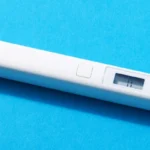
Ensuring the efficacy of any water purification system begins with comprehensive tap water testing. This critical step provides baseline data on water quality, identifying contaminants and guiding the selection of appropriate treatment methods.
Key Parameters for Testing
- Microbial Contaminants: Detection of bacteria, viruses, and protozoa to assess the risk of pathogenic exposure. Regular monitoring can help identify trends in microbial presence, allowing for timely interventions.
- Chemical Contaminants: Analysis of heavy metals, pesticides, and industrial pollutants that may pose health risks. Identifying these contaminants is crucial for tailoring water treatment solutions to specific regional or local concerns.
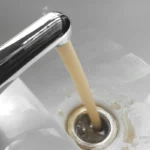
- Physical Characteristics: Evaluation of turbidity, color, and odor, which can impact the effectiveness of purification processes. These characteristics can also serve as indicators of underlying water quality issues that require addressing.
Importance of Regular Testing
Regular water testing is imperative for both residential and commercial entities to ensure compliance with health standards and to verify the performance of water purification systems. It helps in:
- Identifying emerging contaminants and adjusting treatment protocols accordingly. As environmental conditions and industrial activities change, so too can the types of contaminants found in water supplies.
- Monitoring system efficacy and maintenance needs. Testing can reveal whether purification systems are performing optimally or if adjustments are necessary.
- Providing peace of mind and ensuring safe, potable water for all uses. Consistent testing fosters confidence in the safety and quality of water, which is vital for public health and wellbeing.
Practical Advice for Implementing UV Purifiers
For those considering the integration of UV purifiers into their water treatment regimen, several practical considerations should be taken into account:
- Pre-Filtration: Install pre-filters to reduce turbidity and maximize UV exposure efficacy. This step is essential to ensure that the UV light can effectively reach and deactivate all pathogens in the water.
- Regular Maintenance: Schedule routine maintenance checks to replace UV lamps and clean quartz sleeves, ensuring optimal performance. Regular maintenance not only extends the lifespan of the system but also ensures consistent water quality.
- Power Backup Solutions: In areas prone to power outages, consider backup power solutions to maintain continuous disinfection. Investing in battery backups or alternative energy sources can prevent disruptions in water purification.
Conclusion
In conclusion, UV purifiers represent a viable and effective option for water disinfection, particularly when used in conjunction with other purification technologies to address a broader spectrum of contaminants. By understanding their advantages and limitations, and by conducting regular tap water testing, users can ensure the delivery of safe, high-quality water. As we navigate the complexities of water quality management, the integration of UV systems offers a sustainable and efficient solution to meet the diverse needs of both residential and industrial applications. Moreover, the role of lab water testing cannot be underestimated, as it provides valuable insights into specific contaminants that may be present in the water supply. This information allows for targeted treatment solutions, ensuring a comprehensive approach to water safety. By prioritizing both UV purification and thorough lab water testing, individuals and organizations can effectively safeguard health and comply with regulatory standards, ultimately fostering trust in their water sources.
The ongoing evolution of water purification technology continues to shape how we approach water safety and sustainability. By embracing the strengths of UV systems and complementing them with other technologies, we can build resilient water treatment solutions that adapt to changing environmental challenges. The commitment to continuous improvement and innovation in this field is essential for safeguarding public health and ensuring access to clean water for future generations.
Share this on social media:
Facebook
Twitter
LinkedIn

Related Posts