The Importance of Water Testing: A Closer Look
- Published:
- Updated: January 2, 2025
Listen to this article
Summary
Water testing is crucial to ensure safe water for various purposes. Here’s why it’s essential:
- Ensures drinking water safety by detecting harmful contaminants like bacteria and heavy metals.
- Monitors water quality over time, aiding water treatment and regulatory compliance.
- Identifies pollution sources, protecting aquatic life and human health.

And life depends on water. It is needed for drinking, cooking, washing and mowing. Yet there are things that water can also contain that are toxic to human and natural health. This is why water testing is so important.
What is Water Testing?
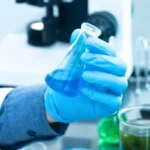
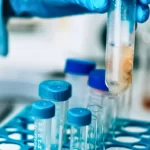
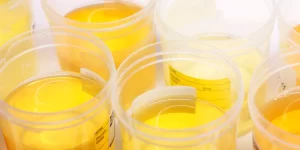
Water testing New York – This involves testing water samples to find out the levels of contaminants and contaminants in it. Water tests can be useful in giving us data on how good the water is and if it can be used for various things. : Water test: The water is taken as a sample and sent to the lab for testing. There are various methods and devices in the laboratory to evaluate the water sample and find the pollution and contaminants. The water testing data are then read to make judgments on the quality of the water and whether it can be used for various activities.
Importance of Water Testing

There are several reasons why water testing is important, including:
- To ensure the safety of drinking water: Drinking water is one of the most important sources of water for human consumption. Water testing helps to determine if drinking water is safe for consumption, free from harmful contaminants, and meets the standards set by the government. Contaminants such as bacteria, viruses, heavy metals, pesticides, and other pollutants can cause serious health problems if they are present in drinking water. Regular water testing helps to detect these contaminants and ensure that drinking water is safe for human consumption.
- To monitor water quality: Water testing helps to monitor the quality of water over time, ensuring that it remains safe for various purposes. This information is useful for water treatment facilities, farmers, and other stakeholders who rely on water for various activities. For example, water treatment facilities can use the results of water tests to adjust their treatment processes to ensure that the water they are treating meets the necessary standards.
- To comply with regulations: Water testing is required by law in many countries to ensure that water sources meet the necessary standards. This helps to protect human health and the environment. For example, in the United States, the Safe Drinking Water Act requires that drinking water be tested for various contaminants on a regular basis. By complying with these regulations, we can ensure that our water sources remain safe and protected for future generations.
- To identify and address water pollution: Water testing can help to identify the sources of water pollution and implement measures to address it. This is important to ensure that water sources remain safe for consumption and other uses. For example, if a water test reveals the presence of a specific pollutant, authorities can take steps to address the source of the pollution and prevent it from contaminating the water supply.
- To protect aquatic life: Water testing is important to protect aquatic life, including fish, plants, and other organisms that live in water. Harmful pollutants and contaminants can have a significant impact on aquatic ecosystems. For example, high levels of nutrients in water can lead to the growth of harmful algae blooms that can harm aquatic life. By performing regular water tests, we can detect these contaminants and take steps to protect aquatic life.
Types of Water Tests
Chemical tests determine the presence of specific chemicals in water, including heavy metals, pesticides, and other pollutants. Chemical tests are important because certain chemicals can cause serious health problems if they are present in drinking water. For example, lead is a toxic heavy metal that can cause serious health problems, including developmental delays, learning disabilities, and behavioral problems.
Biological tests determine the presence of bacteria, viruses, and other microorganisms in water. These tests are important because the presence of harmful microorganisms in water can cause serious health problems. For example, bacteria such as Escherichia coli (E. coli) can cause severe gastrointestinal illness if consumed in drinking water.
Physical tests measure the physical characteristics of water, including temperature, pH, and turbidity. Physical tests are important because these characteristics can impact the quality of water and its suitability for various purposes. For example, high temperature can indicate the presence of thermal pollution, which can harm aquatic life.
Radiological tests determine the presence of radioactive elements in water. These tests are important because exposure to radioactive elements can cause serious health problems, including cancer and other diseases.
Nutrient tests measure the levels of nutrients in water, including nitrogen and phosphorus. Nutrient tests are important because high levels of these nutrients can cause harmful algae blooms, which can harm aquatic life and reduce the quality of water.
How is Water Testing Done?
Water testing is typically done by collecting a water sample and sending it to a laboratory for analysis. The laboratory uses various techniques and equipment to analyse the water sample and determine the presence of pollutants and contaminants. The results of water tests are then interpreted to determine the quality of the water and its suitability for various purposes.
The Importance of Regular Water Testing
Regular water testing is important to ensure that our water sources remain safe and protected for future generations. By performing water tests on a regular basis, we can detect the presence of harmful contaminants early on and take steps to address them. Regular water testing also helps to monitor the quality of water over time and ensure that it remains safe for various purposes.
For example, if a water test reveals the presence of a specific pollutant, authorities can take steps to address the source of the pollution and prevent it from contaminating the water supply. Additionally, regular water testing can help to identify trends in water quality and detect changes over time. This information is useful for water treatment facilities, farmers, and other stakeholders who rely on water for various activities.
Who Should Perform Water Testing?
Water testing can be performed by various individuals and organizations, including:
- Government agencies: Government agencies are responsible for ensuring that water sources meet the necessary standards and regulations. They typically perform water testing on a regular basis to ensure that the water sources under their jurisdiction are safe for human consumption and other purposes.
- Water treatment facilities: Water treatment facilities are responsible for treating water to make it safe for consumption and other purposes. They typically perform water testing to ensure that the water they are treating meets the necessary standards. This helps to ensure that the water they provide to their customers is safe for consumption and meets the necessary regulations.
- Private individuals: Private individuals who have private wells or other sources of water can also perform water testing. This is important to ensure that the water they are using is safe for consumption and other purposes. Private individuals can perform water testing themselves or they can hire a professional to do it for them.
- Environmental organizations: Environmental organizations can also perform water testing to monitor the quality of water and identify sources of pollution. These organizations can work with government agencies and other stakeholders to implement measures to address water pollution and protect the environment.
The Role of Government Agencies in Water Testing
Water bodies are under a heavy oversight by government agencies. They often test water periodically to ensure that the water in their jurisdiction is safe for humans to drink and so on. Government departments also collaborate with other parties such as water treatment plants, private citizens and environmental organisations to monitor water quality and reduce water contamination.
Regulations can be imposed by government agencies to limit the release of contaminants into water bodies, and fine people for transgressions. They can even fund water purification plants and other water-quality improvement projects. Governments, together with other parties, can help make sure our waterways stay clean and protected for future generations.
The Impact of Climate Change on Water Testing
As the water is deteriorating in quality and quantity due to climate change, water testing has never been more necessary. Rapid shifts in precipitation and warm weather are adding to runoff and adding new contaminants to water bodies. Water testing is thus becoming very important in order to monitor water quality and make sure it is not harmful to humans and the like.
More runoff means more nutrients in the water, and that algae grows and water is less good. Also, changes in precipitation patterns will increase the likelihood of droughts and water shortages, which makes water quality monitoring more critical, for water that’s fit to be drank and used by humans. We can catch water quality degradation under the rug with regular water testing and take action to prevent it.
The Importance of Accurate Water Testing Results
Determining accurate water testing data is imperative if we want our water sources to remain clean and safe for our children and grandchildren. And with good testing techniques, we can be certain that the test data is a valid representation of the water quality. That allows us to make decisions about how to treat our water and make sure it remains suitable for humans and other uses.
eg, if water testing results are inaccurate, it might come to misunderstood how much water is good or bad and what is needed to make it better. This can lead to inefficient actions, wasteful expenditures and the retention of human health and the planet at high levels of noxious chemicals. When we can test water using accurate and trustworthy methods of water testing, the water test results are representative of actual water quality.
Share this on social media:
Facebook
Twitter
LinkedIn

Related Posts