What Is Activated Carbon Filtration?
- Published:
- Updated: December 24, 2024
Listen to this article
Summary
Activated carbon filtration is a method used to purify water and air by using carbon with a large surface area to remove contaminants through adsorption. This process effectively removes unwanted tastes, odors, chlorine, VOCs, and other impurities without introducing chemicals. The system is versatile, widely used in water and air purification, and offers environmental benefits.
Key Points:
- Adsorption vs. Absorption: Activated carbon filters work through adsorption, where contaminants adhere to the carbon surface, unlike absorption where substances are soaked into the material.
- Types of Filters: Granular Activated Carbon (GAC) is durable with slower adsorption, while Powdered Activated Carbon (PAC) acts quickly and is used for short-term applications.
- Maintenance: Regular replacement of activated carbon filters is crucial for ensuring continued effectiveness and maintaining water and air quality.

Water quality is a critical concern for many. Whether you’re a homeowner, a facility manager, or an environmental professional, you’ve likely encountered the term "activated carbon filtration." But what is activated carbon filtration, and how does it work?
Activated carbon filtration is a powerful method used to purify both water and air. It employs a bed of activated carbon to remove contaminants and impurities. This process is not only effective but also environmentally friendly, as it doesn’t add chemicals to the water or air.
In this article, we’ll explore the basics of activated carbon filtration. We’ll explore its science, its applications, and its benefits. We’ll also discuss how to maintain and replace activated carbon filters to ensure their effectiveness.
Whether you’re dealing with water quality issues or regulatory water testing needs, this article aims to provide you with valuable information. So, let’s embark on this journey to understand the intricacies of activated carbon filtration.
What Is Activated Carbon Filtration?
Activated carbon filtration is a process that uses activated carbon to remove contaminants. This type of filtration is highly effective because of the carbon’s impressive adsorptive properties. The term "activated" refers to the carbon being processed to have small, low-volume pores that increase its surface area, allowing it to adsorb more impurities.
The primary mechanism at work is adsorption, not absorption. In adsorption, contaminants adhere to the surface of the carbon particles, whereas absorption involves them being taken into the absorbent material. This surface interaction means that activated carbon can effectively capture and hold a variety of contaminants.
Activated carbon filters are widely used in water treatment. They excel at removing unwanted tastes, odors, chlorine, and volatile organic compounds (VOCs) from water. Additionally, they are adept at reducing sediments and other small particles, thus improving water clarity and quality.
These filters are also common in air filtration systems, where they target gases and odors. By capturing these airborne contaminants, activated carbon filters enhance indoor air quality, making environments healthier and more pleasant.
Overall, activated carbon filtration provides an efficient and sustainable solution for improving water and air quality. Its broad applications and effectiveness make it a preferred choice in many settings, from homes to industrial facilities.
The Science Behind Activated Carbon
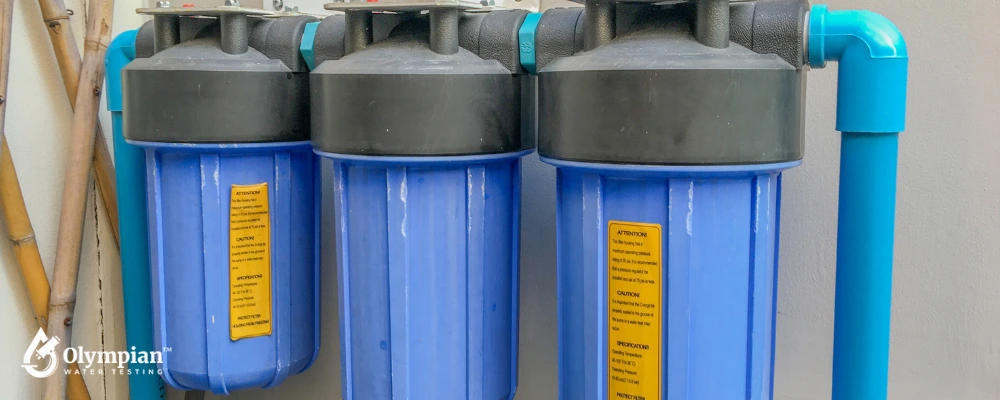
Activated carbon is a form of carbon processed to have small pores that increase its surface area. This immense surface area is crucial for its ability to adsorb contaminants effectively. One gram of activated carbon can offer between 500 and 1500 m² of surface area, making it incredibly efficient.
The process used to create activated carbon involves treating natural carbon sources like wood or coconut shells. This treatment, often through pyrolysis or chemical activation, enhances the carbon’s pore structure. As a result, it becomes highly capable of trapping contaminants on its surface.
The effectiveness of activated carbon is primarily due to its porosity. Different pore sizes allow it to capture a wide range of molecules. This versatility means that it can be customized to target specific contaminants, enhancing its application in various filtration systems.
In summary, the unique physical and chemical properties of activated carbon make it a powerful tool in filtration. Its ability to adsorb a diverse array of contaminants without introducing additional chemicals is a significant advantage.
Adsorption vs. Absorption
Understanding the difference between adsorption and absorption is key to grasping how activated carbon functions. Adsorption involves contaminants adhering to a surface, whereas absorption means contaminants are taken into the material. This distinction is significant in filtration processes.
In adsorption, activated carbon’s extensive surface area captures particles on the outside. This allows for efficient removal of impurities, as they stick to the surface and do not penetrate the carbon.
Conversely, absorption involves a substance being soaked up internally, like a sponge with water. This internal action is not what occurs in activated carbon filtration. The success of activated carbon relies on its capacity to adsorb, making it a valuable filtration method.
Types of Activated Carbon Filters
Activated carbon filters come in several forms, each tailored to specific needs. Understanding these types is essential for selecting the right option for your application. They vary mainly in size, shape, and method of use.
The two most common types of activated carbon filters are Granular Activated Carbon (GAC) and Powdered Activated Carbon (PAC). Both have distinct characteristics and uses. Choosing between them depends on the specific application requirements and desired outcomes.
Here’s a brief list of key features:
- Granular Activated Carbon (GAC): Larger particle size, slower adsorption rate but longer life.
- Powdered Activated Carbon (PAC): Smaller particles, fast adsorption, often used for short-term applications.
In addition to GAC and PAC, there are specialty carbons and custom blends. These may be engineered to target specific pollutants, offering enhanced performance for niche applications. Understanding each type’s distinct advantages ensures optimal results in filtration tasks.
Granular Activated Carbon (GAC)
GAC consists of larger carbon particles, providing a balance between adsorption rate and durability. Its porous nature effectively traps contaminants in its expansive surface area.
GAC filters are used in both water and air applications. They have an extended service life due to their higher durability, making them suitable for long-term use.
Powdered Activated Carbon (PAC)
PAC is composed of fine carbon particles, offering quicker adsorption of contaminants. It is often used when rapid removal of pollutants is necessary.
PAC is frequently applied in municipal water treatment and emergency response scenarios. Its quick action makes it effective for temporary fixes or short-term contaminants.
Common Applications of Activated Carbon Filtration
Activated carbon filtration is versatile, finding use in many areas. It addresses both water and air quality issues efficiently. Its adaptability makes it a popular choice in several industries.
Some common applications include:
- Water Purification: Removes chlorine, VOCs, and odors.
- Air Purification: Eliminates gases and chemical vapors.
- Wastewater Treatment: Reduces harmful chemicals and pollutants.
- Industrial Processes: Filters solvents and volatile compounds.
This wide range of uses highlights the flexibility of activated carbon filters. Whether you are treating water or air, these filters offer reliable solutions. They provide clean, safe environments across various settings.
Water Purification
Activated carbon filters excel in water treatment. They effectively remove unwanted tastes and odors. Additionally, they eliminate chlorine and organic contaminants.
These filters enhance water quality, making it safer for consumption. They are used in residential, municipal, and industrial water systems. Their ability to improve taste and purity makes them highly valued.
Air Purification
In air quality management, activated carbon filters remove harmful gases. They are essential in reducing chemical odors and volatile organic compounds. Their function in maintaining healthy indoor air quality is crucial.
These filters are installed in HVAC systems, ensuring clean air circulation. They are also used in industrial settings to control emissions. Their role in preserving air quality is significant for health and safety.
Benefits of Activated Carbon Filtration
Activated carbon filtration offers numerous benefits, making it a preferred choice. One key advantage is its effectiveness in removing chlorine, VOCs, and odors. These filters significantly improve both water and air quality.
In addition to contaminant removal, activated carbon filters enhance taste and odor profiles. This is especially beneficial in water purification, where taste matters. Cleaner, more appealing water is the result.
Moreover, activated carbon filtration is environmentally friendly. It does not introduce chemicals into the water or air. As a natural process, it supports sustainable practices in environmental management.
Maintenance and Replacement of Activated Carbon Filters
Regular maintenance of activated carbon filters is crucial for their effective operation. Over time, the carbon becomes saturated with contaminants, reducing its adsorptive capacity. It’s essential to monitor performance and schedule replacements as needed to maintain filtration efficacy.
The lifespan of an activated carbon filter depends on various factors. These include the level of contamination, flow rate, and contact time. Checking manufacturer’s guidelines can provide a helpful estimate for replacement intervals.
Replacing filters on time ensures optimal performance and water or air quality. Neglecting this task could lead to reduced efficiency and potential health risks. Prioritize regular filter checks to prolong system life and ensure consistent quality control.
Selecting the Right Activated Carbon Filter
Choosing the right activated carbon filter is crucial for addressing specific needs. Consider the type of contaminants you aim to remove and the system’s requirements.
Assess factors like flow rate, filter type, and compatibility with existing systems. Consulting with professionals can guide your decision, ensuring optimal filtration and effective results.
Conclusion and Next Steps
Understanding the ins and outs of activated carbon filtration empowers better water and air quality management. This versatile technology adapts to various settings, offering significant purification benefits.
To fully capitalize on these benefits, evaluate your specific needs and consult professionals when selecting a system. With the right choices, you can enhance health and meet regulatory standards effectively.
Share this on social media:
Facebook
Twitter
LinkedIn

Related Posts