What Determines Drinking Water Quality in Illinois
Drinking water quality in Illinois is shaped by multiple factors that change over time. Agricultural fields release fertilizers and pesticides, while industrial zones emit harmful chemicals. Urban runoff carries heavy metals, posing risks. Untreated sewage and wastewater can contaminate communities.
Infrastructure also plays a significant role. Aging pipes can leach lead or harbor bacteria. Natural events like floods alter water chemistry, leading to sediment buildup. Climate changes affect nutrient levels, impacting water safety. For the latest on local standards, visit this resource.
Major Sources of Contamination
- Agricultural runoff: Excess nutrients and chemical residues
- Industrial pollution: Discharge of toxic substances
- Recreational activities: Fuel spills or waste disposal
- Natural disasters: Floods accelerating erosion and debris
Regulatory Standards and Testing
The U.S. Environmental Protection Agency and the Illinois Environmental Protection Agency enforce strict testing. They focus on PFAS levels due to health risks. If levels exceed guidance, action is recommended.
PFAS Compound | Guidance Level (ppt) |
PFOA | 2 |
PFOS | 14 |
PFNA | 21 |
Regional Differences in Water Sources
Across Illinois, communities rely on diverse systems, influenced by terrain and population size. Some tap into Lake Michigan, while others use small reservoirs or underground aquifers. This leads to varied water profiles across regions.
Those near Lake Michigan enjoy advanced filtration and robust water treatment. These Chicago water sources serve a large population, ensuring regular purity checks. In contrast, inland residents often rely on groundwater, which can have higher mineral levels, affecting taste and composition. Sampling methods vary by area for accurate monitoring.
Chicago water sources stand out due to their scale and complexity. Specialized facilities handle disinfection, ensuring a steady supply of safe drinking water. Yet, private wells in outlying areas require extra attention, like periodic tests for deeper contaminants. Grasping these local differences is key to staying aware of regional risks and protecting health.
Health Effects Linked to Contaminants
Contaminants in tap water can upset the body and lead to various health issues. Some problems are immediate, while others develop over years.
Short-Term Issues
Certain bacteria and parasites can cause vomiting, diarrhea, or stomach upset, mainly in those with weak immune systems. Minor infections may occur after drinking water with pathogens like E. coli. Boiling or using certified filters can often mitigate these immediate effects.
Long-Term Concerns
Lead from older plumbing can slow a child’s development and pose risks for pregnant women. PFAS, a group of man-made chemicals, can harm liver function and may increase cancer risks. Nitrate levels from fertilizers and waste can pose threats for babies with oxygen-related issues. Radon in groundwater increases lung complication risks when released into the air. Volatile organic compounds (VOCs) target organs and may increase cancer dangers. Flushing water before use and installing devices tested for these pollutants can reduce exposure. Staying updated on local test results helps protect families and ensures better water quality at home.
Key Facts About Tap Water in Illinois
In Illinois, tap water undergoes a series of processes to ensure public health. Chemical treatments remove harmful substances, while sedimentation and filtration eliminate unwanted particles. Disinfection further reduces microbial risks. These steps, guided by drinking water regulations, aim to maintain quality.
Common Treatment Methods
Municipal facilities employ advanced technologies to purify water. Techniques like chlorine application and ultraviolet light control microbes. Communities with aging pipes face challenges from metal leaching. Maintenance programs address these issues to ensure water safety.
Role of Government Agencies
The Environmental Protection Agency and the Illinois Environmental Protection Agency set standards to reduce hazards. They conduct inspections and guide utility providers through regular testing. Their oversight ensures compliance with drinking water regulations for all residents.
Bottled Water vs. Illinois Tap Water: Pros and Cons
Bottled water and tap water each have their own benefits. Many opt for bottled water for its ease of use and perceived cleanliness. Brands often tout advanced filtration processes. On the other hand, Illinois tap water meets strict safety standards, as shown by regular tests.
When it comes to bottled water, safety hinges on clear sourcing and effective treatment. Brands like Aquafina use local water sources that undergo filtration. In contrast, tap water can contain contaminants if a home’s plumbing is outdated. Despite this, tap water is often seen as more affordable. Bottled water, on the other hand, is convenient for travel or quick hydration.
Making an informed choice involves weighing bottled water safety against cost, accessibility, and environmental impact. Plastic bottles contribute to waste, while tap water is more eco-friendly. Ultimately, the decision depends on personal preferences and concerns about water quality. Regular testing ensures that tap water remains a reliable option in many parts of Illinois.
Ways to Improve Water Quality at Home
Maintaining safe water at home requires consistent care and smart choices. People seek ways to enhance taste, reduce chemicals, and address concerns about contaminants in their tap supply. Adopting water filtration in homes can serve as an extra safeguard.
Filtration Systems
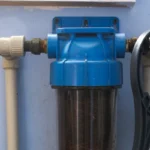
Carbon filters can capture odors and sediment. Reverse osmosis units strip out a wide range of elements, leaving fresher-tasting water. Some brands offer water softeners that tackle calcium or magnesium buildup. Each system targets different concerns, so homeowners should identify specific needs before picking a product. Trusted names like Brita or Culligan often provide starter kits that streamline installation.
Regular Maintenance Tips
Replacing filters on schedule keeps filtration devices effective. Faucets benefit from occasional cleaning to prevent mineral deposits. Plumbers sometimes recommend professional checkups to ensure each component continues working at its best. In turn, water filtration in homes remains a reliable option for addressing changing water conditions.
Understanding Water Reports and Certifications
Documents like the Consumer Confidence Report detail how well public utilities meet federal safety standards. These reports are essential for understanding the risk of lead contamination in water, more so in older neighborhoods. They provide detailed data on how contaminants enter systems, guiding residents on necessary precautions.
To verify a home’s water condition, practical steps exist. Many labs offer individual testing, and experts recommend verifying credentials before choosing a filtering solution. Families seeking water safety assurance rely on official marks that confirm filters and testing kits meet national standards.
- Check local utility portals for the latest files
- Look for government seals on lab reports
- Compare data for recurring issues
Certification | Issued By | Key Insight |
NSF/ANSI Standard | NSF International | Tests product safety and performance |
EPA Approval | Environmental Protection Agency | Verifies compliance with federal rules |
State Endorsements | Local Health Departments | Helps track any region-specific threats |
Sustainable Practices for Safe Water
In Illinois, local collaboration is key to maintaining reliable water sources. Residents come together in initiatives that promote regular testing, strategic planning, and sharing resources. This dedication ensures the quality of well water, protecting public health.
Community-Led Initiatives
These efforts foster a sense of shared responsibility among neighbors and organizations. Groups often combine resources for improvements or to run awareness campaigns. They also organize workshops on safe well practices and water stewardship. This collective action safeguards each neighborhood’s most precious resource.
Conservation Efforts
Water conservation eases the burden on local systems and ensures sustainability. Simple actions like fixing leaks and using efficient landscaping can make a difference. Schools and businesses that encourage mindful water use can inspire lasting change. Many households that rely on well water in Illinois explore new technologies to optimize water flow and reduce waste.
Sustainable Strategy | Primary Benefit |
Frequent Well Inspections | Reveals hidden issues before they worsen |
Local Fundraising Efforts | Offsets expenses for community infrastructure |
Educational Workshops | Encourages responsible water usage |
Staying Updated on Local Water Advisories
Being aware of local water advisories is key for households to react quickly to contamination threats. Timely alerts guide on how to protect health, whether it’s boiling water or finding alternative sources.
Where to Find Alerts
Public health departments post critical updates on their websites. Local news, official apps, and social media accounts also share vital information. By checking online databases or subscribing to text alerts, residents can stay informed about warnings immediately.
Importance of Quick Action
Acting fast minimizes exposure to harmful bacteria or chemicals. A brief boil can often neutralize threats. Embracing safe water solutions, like reliable filtration, or strictly following advisories, reduces illness risk. This approach builds confidence and enhances community trust in shared resources.
Final Thoughts on Drinking Water in Illinois
New federal rules aim to remove lead water lines faster, protecting families from a known health hazard. Chicago plans to replace hundreds of thousands of lines by 2034. This is under stricter limits, with lead action levels now at 10 parts per billion, down from 15.
Public financing will help cover some costs, but the total could reach billions. This effort is critical to safeguarding public health.
Statewide upgrades got a significant boost of over $200 million from the U.S. Environmental Protection Agency. This funding includes grants for underserved neighborhoods to upgrade their drinking water systems. The need for stricter regulations is clear, given ongoing risks from coal ash pollution and other contaminants to local groundwater.
Ensuring healthy drinking water in Illinois requires community engagement, personal vigilance, and regular testing. By studying water reports and considering home filtration options, residents can mitigate risks. Shared responsibility and ongoing infrastructure improvements are key to providing a reliable supply of clean, safe water for the future.