Best under sink water purification systems 2025
- Published:
- Updated: January 16, 2025
Listen to this article
Summary
Choosing the right under-sink water purification system involves considering various factors, such as contaminant removal, capacity, ease of installation, and sustainability. The top systems of 2025, including AquaPure Elite, PureGuard CarbonX, and HydroSmart UVPlus, cater to diverse needs and provide effective, efficient solutions for cleaner drinking water.
Key Points:
- AquaPure Elite: A multi-stage RO system with carbon and UV filtration for comprehensive contaminant removal.
- PureGuard CarbonX: A budget-friendly system for chlorine and VOC removal, ideal for city dwellers.
- HydroSmart UVPlus: Focused on microbial contamination with energy-efficient UV purification, ideal for rural areas.
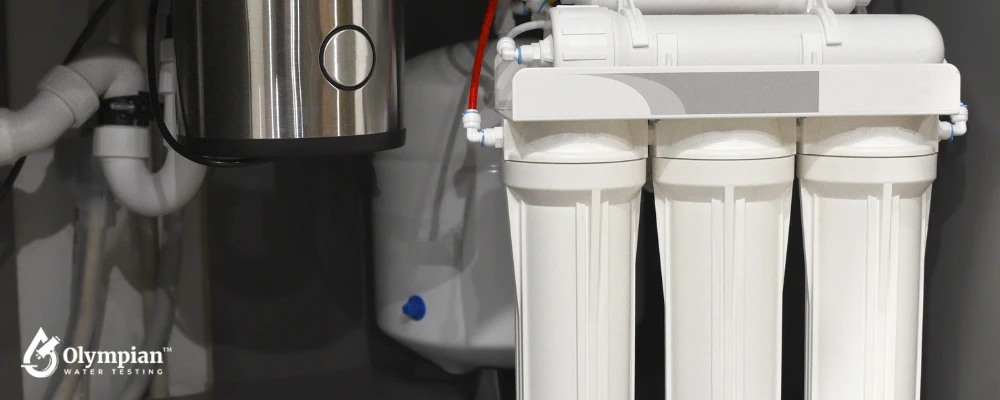
In an era where environmental consciousness is paramount, selecting the optimal under-sink water purification system is both a practical and essential decision for ensuring safe drinking water. With advancements in technology and a growing awareness of water quality issues, the market for water purification systems has expanded significantly. This article aims to provide a detailed examination of the best under-sink water purification systems available in 2025, offering insights that cater to both the environmentally inclined consumer and the academically curious.
Understanding Water Purification Systems
Water purification systems are designed to remove contaminants, impurities, and other undesirable elements from water, ensuring it is safe for consumption. These systems typically employ various filtration methods, each with unique benefits and limitations.
Types of Water Purification Systems
In the realm of water purification, several types of systems are prominent, each suited to different needs and water quality issues. Understanding these systems is crucial to making an informed choice.
Activated Carbon Filtration
Activated carbon filters are renowned for their efficacy in removing chlorine, volatile organic compounds (VOCs), and unpleasant tastes and odors from water. The porous nature of activated carbon allows it to adsorb impurities effectively. It works by trapping particles in its extensive surface area, thus improving the taste and smell of the water. However, it is less effective against dissolved inorganic contaminants such as heavy metals, which require additional filtration processes.
Reverse Osmosis (RO)
Reverse osmosis systems utilize a semipermeable membrane to remove a broad spectrum of contaminants, including heavy metals, nitrates, and pathogens. This process involves forcing water through a membrane that blocks larger molecules and ions. While RO systems are highly effective in purifying water, they can be resource-intensive, requiring considerable water and energy for operation. The waste-to-product water ratio can be a concern for environmentally conscious users, though newer models are improving in efficiency.
Ultraviolet (UV) Purification
UV purification systems employ ultraviolet light to inactivate bacteria and viruses, providing an additional layer of protection against microbial contamination. The UV light penetrates the cells of bacteria and viruses, disrupting their DNA and preventing replication. However, UV systems do not remove chemical contaminants, thus they are often used in conjunction with other filtration methods. They are particularly effective in areas with known microbial contamination issues but require electricity to function.
Additional Filtration Methods
Besides the primary methods, other filtration technologies are gaining traction for their specific advantages.
Ion Exchange
Ion exchange filters are used to soften water by replacing calcium and magnesium ions with sodium or potassium ions. This process is particularly beneficial in areas with hard water, improving both the taste and longevity of plumbing systems. However, these filters need regular regeneration with salt solutions, adding to maintenance efforts.
Ceramic Filtration
Ceramic filters are another option, known for their ability to remove bacteria and sediment from water. They work by allowing water to pass through a porous ceramic material, trapping microorganisms and particles. While effective for certain contaminants, they must be cleaned periodically to prevent clogging and ensure efficacy.
Distillation
Distillation involves boiling water and then condensing the steam back into a liquid, leaving contaminants behind. This process is effective at removing a wide range of impurities, including heavy metals and salts. However, it is energy-intensive and may not be practical for everyday use in households due to the time and resources required.
Criteria for Selecting the Best System

When evaluating under-sink water purification systems, several key criteria should be considered to ensure that the chosen system meets your specific needs.
Contaminant Removal Efficiency
The primary function of a water purification system is to remove contaminants. It’s crucial to assess the system’s ability to target specific contaminants relevant to your water supply. Different systems have varying strengths; for instance, RO is excellent for heavy metals, while activated carbon is better for VOCs. Testing your water to understand its unique challenges can guide you in selecting a system that effectively addresses those issues.
System Capacity
System capacity refers to the volume of purified water the system can produce daily. This is an important factor for households with high water usage. Larger families or homes with significant water demands should opt for systems with higher capacities to ensure a constant supply of clean water. Conversely, smaller households might prioritize systems that balance efficiency with lower capacity.
Ease of Installation and Maintenance
User-friendly installation processes and manageable maintenance requirements are vital for the long-term viability of a water purification system. Systems that are complex to install or maintain can lead to frustration and decreased effectiveness over time. Many systems now offer DIY installation kits with detailed instructions, while others might require professional assistance. Regular maintenance, such as filter changes and system checks, should be straightforward to ensure ongoing performance.
Cost Considerations
Cost is a multifaceted criterion, encompassing the initial investment, ongoing operational expenses, and potential savings from improved water quality. While the upfront cost is a significant factor, considering the long-term expenses such as filter replacements and energy consumption is equally important. Some systems might be more expensive initially but offer greater savings through efficiency and durability over time.
Certifications and Standards
Certifications like NSF/ANSI are crucial as they verify the performance claims of water purification systems. These certifications assure consumers that the system has been tested and proven effective against specific contaminants. Ensuring that a system meets these standards can provide peace of mind and guarantee that the investment is sound.
Top Under-Sink Water Purification Systems of 2025
Based on the aforementioned criteria, here are the top under-sink water purification systems in 2025, each offering a unique set of features suited to diverse needs.
1. AquaPure Elite RO System
The AquaPure Elite RO System stands out with its multi-stage filtration process, which combines reverse osmosis with activated carbon and UV purification. This comprehensive system is ideal for areas with compromised water quality, ensuring the removal of a wide range of contaminants.
Comprehensive Contaminant Removal
The AquaPure Elite excels in removing heavy metals, VOCs, and microbial contaminants through its layered filtration approach. The integration of RO, carbon, and UV technologies ensures that the water is as pure as possible, addressing both chemical and biological threats. This makes it a versatile choice for households facing varied water quality challenges.
User-Friendly Design
Despite its complexity, the AquaPure Elite is designed for ease of use. Its intuitive design simplifies installation and maintenance, with clear instructions and accessible components. The system is engineered to be user-friendly, even for those with minimal plumbing experience, reducing the need for professional installation.
Investment Considerations
While the AquaPure Elite comes with a higher price point, the investment is justified by its performance and durability. The long-term benefits of superior water quality and reduced health risks can outweigh the initial costs. Additionally, the system’s efficiency in water use can lead to savings in water bills over time.
2. PureGuard CarbonX
For those seeking an effective yet economical solution, the PureGuard CarbonX utilizes advanced activated carbon filters to tackle chlorine and VOCs efficiently.
Targeted Filtration
The CarbonX system is particularly effective in removing chlorine, VOCs, and improving taste and odor. While it does not address heavy metals, it serves households with moderate water quality concerns effectively. This makes it an excellent choice for city dwellers with treated municipal water that primarily needs taste and odor enhancement.
Compact and Affordable
The compact design of the PureGuard CarbonX allows for easy installation in small spaces, making it suitable for apartments and compact kitchens. Its affordability without compromising effectiveness makes it a popular choice among budget-conscious consumers. The lower initial cost and minimal maintenance requirements further enhance its appeal.
Maintenance and Longevity
The PureGuard CarbonX is designed with longevity in mind, requiring only occasional filter changes to maintain its efficiency. Its simple maintenance schedule ensures that users can enjoy clean water without the hassle of frequent upkeep. This reliability contributes to its reputation as a cost-effective, long-term solution.
3. HydroSmart UVPlus
The HydroSmart UVPlus system is an excellent choice for microbial contamination concerns, integrating UV purification with a sediment filter.
Microbial Protection
The UVPlus system is specifically designed to address microbial threats by using UV light to sterilize water. It effectively inactivates bacteria, viruses, and other pathogens, ensuring pathogen-free water. This makes it ideal for rural areas or places with well water that might be prone to microbial contamination.
Energy Efficiency
Despite its powerful purification capabilities, the HydroSmart UVPlus is energy-efficient, minimizing operational costs. Its design focuses on sustainability, utilizing low-energy UV lamps that still deliver high performance. This efficiency reduces the environmental impact while maintaining high standards of water safety.
Maintenance Simplicity
The system requires minimal maintenance, primarily consisting of periodic lamp replacements and sediment filter changes. Its straightforward maintenance process makes it an attractive option for those seeking a low-hassle purification system. The ease of upkeep ensures consistent water quality without significant time investment.
Installation and Maintenance Considerations
Proper installation and regular maintenance are critical to the effectiveness and longevity of any water purification system. Here are some guidelines to ensure optimal performance.
Installation Tips
Installing a water purification system correctly is crucial to preventing leaks and ensuring optimal performance. Always follow the manufacturer’s instructions carefully, as improper installation can lead to system inefficiencies or damage. For those unfamiliar with plumbing systems, hiring a professional plumber can ensure the system is installed correctly and efficiently.
Filter Replacement Guidelines
Adhering to recommended filter replacement schedules is essential to maintain filtration efficiency and water quality. Overused filters can become saturated, reducing their effectiveness and potentially allowing contaminants to pass through. Setting reminders or keeping a maintenance log can help ensure timely replacements, preserving the system’s integrity.
System Cleaning Procedures
Periodically cleaning the system components is necessary to prevent biofilm buildup, which can compromise water quality. Regular cleaning keeps the system operating smoothly and can prevent clogs and contamination. Using manufacturer-recommended cleaning products and methods can ensure that the system remains in top condition without damaging any components.
Monitoring and Testing
Regularly testing your water is a proactive way to ensure the system functions correctly and provides safe drinking water. Home testing kits are readily available and can offer insights into the system’s performance. Adjusting maintenance practices based on test results can help address any emerging issues before they become significant problems.
Environmental Impact and Sustainability
The sustainability of water purification systems is an increasingly important consideration as consumers become more environmentally conscious.
Minimizing Water Waste
Systems that minimize water waste, such as those with efficient RO processes, are preferred for their environmental benefits. Innovations like permeate pumps and more efficient membranes can significantly reduce the water wasted during purification. Choosing systems with these technologies can contribute to a more sustainable water usage model.
Recyclable and Eco-Friendly Materials
Selecting systems that utilize recyclable filter materials and eco-friendly components can further reduce the environmental footprint. Manufacturers are increasingly offering filters made from sustainable resources, which can be recycled after use. This reduces the impact of waste disposal and supports a circular economy.
Energy Efficiency
Energy-efficient systems that consume less power are also desirable for their reduced environmental impact. Many modern systems are designed to operate with minimal electricity while still delivering high performance. Choosing energy-efficient models not only supports environmental goals but can also lead to cost savings in utility bills.
Conclusion
Choosing the best under-sink water purification system for your needs requires a careful evaluation of your water quality concerns, budget, and maintenance capabilities. The systems highlighted in this article represent the pinnacle of water purification technology in 2025, offering solutions that cater to diverse requirements while upholding the highest standards of water quality.
By investing in a reliable purification system, you not only safeguard your health but also contribute to broader environmental sustainability efforts. Whether you are an environmental science student eager to apply your knowledge or a consumer with pressing water quality issues, these insights will guide you in making an informed decision that aligns with your values and needs.
In the ever-evolving landscape of water purification, staying informed about technological advancements and industry standards is crucial. As we move forward, embracing innovation and sustainability in water treatment will remain paramount in ensuring access to clean, safe drinking water for all.
Share this on social media:
Facebook
Twitter
LinkedIn

Related Posts