
Overview of New York’s Water Sources
New York’s water sources span vast watershed areas, feeding into the city’s taps. The Croton region lies east of the Hudson. The Catskills and Delaware formations cover forested lands with mountains, valleys, and deep reservoirs. This natural terrain filters sediment, ensuring clarity.
Catskill Mountains water is known for its crisp taste, thanks to minimal industrial interference. Bogs and soils act as natural purifiers, capturing impurities. They regulate flow, ensuring these reservoirs meet long-term needs without excessive treatment. Many locals appreciate how these conditions safeguard quality.
The Croton system also supplies parts of the NYC drinking water supply. Some taste variations occur when blending multiple sources. Consumers may notice subtle differences, yet each watershed meets strict state standards. Forest coverage and vigilant monitoring further reinforce purity from reservoir to tap.
The Journey from Reservoir to Faucet
New York’s water supply starts with vast reservoirs located upstate. Engineers closely monitor these sites to prevent excess runoff. These protected watersheds hold millions of gallons, ready to be distributed when the city’s demand increases. This system ensures drinking water meets local needs while maintaining high cleanliness standards. In addition to monitoring reservoirs, regular assessments of rainfall and seasonal changes help manage supply effectively. For residents looking to understand the implications of water availability, resources like ‘nyc water reservoir levels explained’ can provide valuable insights. This information helps cultivate awareness about conservation efforts, especially during drought conditions. Understanding the importance of water management is crucial for sustaining New York’s infrastructure and supporting its growing population. By implementing efficient usage practices and encouraging public involvement in conservation, the city can ensure that its water resources remain secure for future generations. Educational programs and community initiatives further emphasize the significance of protecting this vital resource. Through community engagement, residents are more likely to participate in programs aimed at reducing water waste and promoting sustainability. The importance of water management extends beyond just supply, as it also encompasses the need for infrastructure investments that ensure clean delivery systems. By fostering a culture of conservation and responsibility, New York can better prepare for the challenges posed by climate change and population growth.
Collection and Storage
Rainfall and snowmelt fill carefully designed basins. Crews use modern equipment to track these resources, minimizing sediment and bacterial growth. Channels connect reservoirs, moving water when one is full. Storerooms in hillsides or valleys help preserve water’s taste and clarity.
State-of-the-Art Tunnel Systems
The Delaware Aqueduct stretches about 85 miles, a key part of water infrastructure in NYC. Its gravity-driven design moves water under rivers and vast terrain, reducing pumping needs. Sometimes, backup lines from the Croton Watershed or other reserves help during upgrades. Repair teams fix leaks to prevent wasting thousands of gallons daily, ensuring reliable service for homes and businesses.
Regulations and Quality Standards
New York’s water system is subject to strict rules from federal and state agencies. These laws and policies dictate how water must adhere to EPA drinking water standards and follow New York water regulations. This ensures every drop is safe for consumption. Scientific data underpins these guidelines, aiming to safeguard public health.
Federal and State Oversight
The Environmental Protection Agency oversees the national framework for treating and monitoring public water. In New York, the Department of Health works with local authorities to add extra oversight. Together, they tackle contaminants, set testing schedules, and enforce corrective actions if quality falls short of health targets.
Frequent Testing Protocols
Thousands of samples are collected and analyzed each year to track bacteria, minerals, and other pollutants. These tests confirm that levels stay within recommended limits. Some advocate for even stricter rules. Yet, the current system is designed to ensure a trustworthy supply for daily use.
tap water in new york: Why It’s Considered Safe
The city’s water originates from protected upstate sources. These areas, rich in forests and wetlands, naturally filter the water. This process ensures that the water meets strict health standards, making it safe for consumption.
New York’s water treatment involves a multi-step disinfection process. This method, combined with natural filtration, maintains water clarity. It stands out among major cities for its purity and consistency.
Despite the safety, some individuals, including those with sensitive health conditions, may choose to use home filters or bottled water. Regular updates on water quality help residents stay informed and confident in their tap water.
Factors That Affect Taste and Quality
The flavor of New York tap water can change for many reasons. Many people find it crisp, while others notice an earthy taste. These differences come from seasonal changes in reservoirs and the water’s journey to homes. While taste alone might not always indicate a problem, it can show changes in temperature or minor environmental factors. Factors such as the presence of chlorine, which is used for disinfection, and the minerals present in the water can also contribute to the varied flavor profiles. Residents often discuss these new york city water taste differences, sharing their experiences and preferences. Additionally, individual plumbing systems can influence how the water tastes once it reaches their taps, further adding to the complexity of this urban resource.
Older buildings often use rooftop water tanks, which can affect the taste if not maintained properly. City officials closely monitor conditions to ensure safety. The presence of minerals in tap water adds a subtle depth to the taste. Reservoirs collect runoff from various geological sources, creating unique flavor profiles. These natural elements give New York’s water a distinct character, loved by its residents.
Natural Mineral Composition
When limestone, clay, and other rock formations dissolve in water, they contribute to the city’s unique mineral blend. These compounds influence how the water feels and tastes. Seasonal algae blooms can appear in reservoirs, but they are quickly managed. By understanding these factors, people can appreciate the nuances that make New York tap water special.
Comparing Bottled Water vs. Tap
The debate between New York tap and bottled water is ongoing. Some bottled water brands use the same municipal supply as tap water. This means the purity might not differ significantly. Yet, single-use plastic bottles contribute to massive waste, with over a million pounds discarded weekly in the city. This waste leads to growing landfill issues and increased cleanup costs.
Many are turning to bottled water alternatives, like refilling reusable containers or using point-of-use filters. These actions can save money and cut down on plastic use. Choosing tap water supports eco-friendly habits and reduces disposable packaging production. It shows that city utilities can provide quality water directly from the faucet.
"Our planet needs fewer throwaway bottles and better use of tap resources," explains the Natural Resources Defense Council.
Filtration and Home Treatment Options
Some residents seek extra assurance about their tap water. Brands like LARQ introduce innovative designs, boosting confidence in every sip. Simple home steps can address concerns about flavor and unwanted particles.
A home water filter can improve taste and clarity. Portable models are great for those always on the move. Countertop pitchers offer a quick solution for households. Many options are designed for ease of use and minimal maintenance, making hydration a more enjoyable daily task.
Simple Carbon Filters
These filters cut down on odors, chlorine taste, and some organic compounds. They’re often found in pitcher form or as faucet attachments. Carbon-based systems effectively remove common impurities without breaking the bank. Users value their convenience and the simple care routines they require.
Advanced Reverse Osmosis Systems
These systems tackle smaller contaminants. Reverse osmosis units are essential for removing sediment and trace metals, key for those focused on removing lead from water. They need professional installation and regular filter replacements. Despite the cost, many see it as a worthwhile investment for cleaner, more reliable water.
Common Myths about Drinking New York Tap Water
Many discussions about city water revolve around myths about NYC water that can lead to confusion. Some people think every drop in the five boroughs arrives unaltered from distant reservoirs. Yet, standard treatments keep things free from harmful bacteria. Those who believe all water flows untouched may overlook the careful disinfecting methods.
These methods include small, safe amounts of chlorine in tap water.
Lead concerns spark a number of questions. Older pipes present challenges, but local initiatives involve replacements and routine testing. Household filtration can help reduce the risk for those who remain uneasy about possible contaminants. Anyone interested in separating rumor from fact can find an in-depth look at myths about NYC water by visiting this resource.
Chlorine Taste Concerns
A trace chemical aroma is often cited as proof of danger. Yet, moderate chlorine in tap water ensures safety against bacteria. Temporary filtration or aeration can reduce the scent while keeping quality intact.
New Yorkers can enjoy peace of mind, knowing that each sip meets rigorous standards.
Myth | Reality |
“Chlorine smell signals hazardous water” | Small doses of disinfectant keep water clean and safe |
“NYC water is entirely untreated” | City systems use filtration and disinfection to meet quality standards |
Environmental Impact of Choosing Tap
Choosing tap water as your primary source can significantly reduce carbon emissions. This is because it eliminates the need for bottled products, which are a major contributor to waste. In cities, the accumulation of single-use containers in landfills is a significant problem. By opting for tap water, you reduce the energy needed for bottle production and transportation.
This shift supports more sustainable water choices and helps limit pollution. Many experts consider it one of the most sustainable water choices available today.
Plastic waste reduction is a critical goal in many communities. Bottles contribute to disposal challenges that strain municipal systems. By choosing tap water, you lower your reliance on single-use packaging. This encourages mindful resource management.
Refillable containers are a great option for those looking for eco-friendly alternatives in their daily lives. A focus on plastic waste reduction leads to cleaner neighborhoods and promotes responsible consumption habits.
The New York City Department of Environmental Protection closely monitors water quality across the region. This ensures that local taps provide a consistent source of hydration. Organizations like the Natural Resources Defense Council also recommend tap water for everyday use. Each time you choose a refillable bottle, you contribute to preserving waterways and protecting marine life.
Tips for Ensuring the Best Quality at Home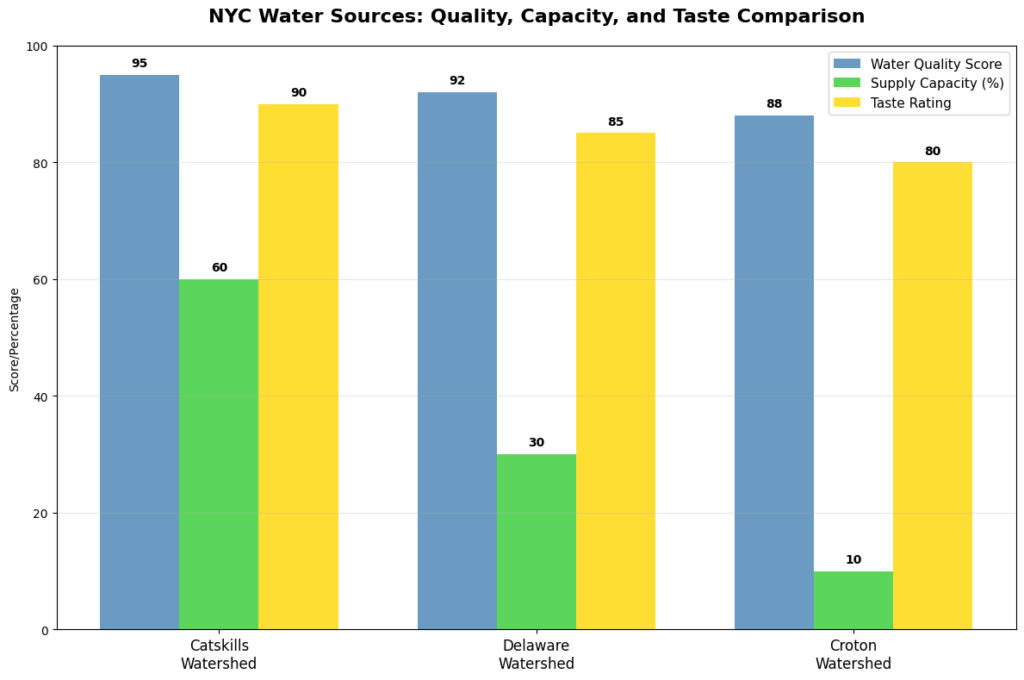
Every household can adopt simple changes to enhance taste and ensure safety. A few easy habits can lead to fresher water and greater peace of mind.
Maintaining Pipes and Faucets
Those who focus on home plumbing often run each faucet for five minutes at the start of the day. This action flushes out stagnant water that might contain lead particles or other contaminants. Regular cleaning of faucet aerators also helps reduce debris, ensuring every sip is crisp and pure.
- Let faucets run daily to remove stale fluid
- Check and clean aerators each month
Proper Storage Practices
Those who prioritize safe water storage often use sealed containers and conduct routine tank checks. This is critical in buildings with rooftop systems, where stagnation can lead to bacterial growth. Clean containers help preserve freshness, reinforcing the protective measures set by local authorities and personal upkeep.
Staying Informed and Hydrated
Residents who follow local advisories gain a clear picture of changes in water supply. Checking city updates can help identify any temporary shifts that might occur during major repair projects like those affecting the Delaware Aqueduct.
Staying in touch with official sources keeps families ready for any adjustments. Tracking NYC water updates is a simple way to confirm the quality at the tap. City websites and water reports give data on minerals, treatment processes, and possible alerts.
Safe drinking habits go beyond just taste. Consistent intake supports the health benefits of hydration, which include better concentration and energy. Clean water at home can be a vital factor in overall well-being.
Knowing where your water comes from and how it reaches your glass promotes confidence in each sip. After all, informed decisions lead to a more refreshing experience every time the faucet is turned on.
FAQ
Is it safe to drink the water in New York?
Yes, most public health experts deem New York City tap water safe. The city’s water is naturally filtered from protected watersheds. The Environmental Protection Agency (EPA) and state regulators conduct stringent testing. Yet, some residents choose home filtration due to concerns about older infrastructure and lead pipes. Despite the overall reassurance from health officials, the debate over drinking tap water in New York continues as some residents advocate for increased investment in infrastructure improvements. Additionally, while many trust the quality of NYC tap water, others remain skeptical, opting for bottled water or advanced filtration systems as a precautionary measure. This divide highlights the importance of ongoing public education regarding water safety and the potential risks associated with aging pipelines.
Where does New York City get its water?
New York City’s water mainly comes from three upstate reservoirs: the Croton, Catskills, and Delaware Watersheds. These reservoirs are naturally filtered through forests and soils. Minimal treatment at local facilities preserves the water’s freshness and quality. These pristine sources are crucial to ensuring that New York City’s water systems provide residents with some of the cleanest drinking water in the country. Regular monitoring and maintenance further enhance the safety and reliability of the supply. As a result, the city’s commitment to sustainable water management helps protect these vital resources for future generations.
How does water travel from the reservoir to my faucet?
Water flows from the reservoir to your faucet via a vast network of tunnels and aqueducts. The Delaware Aqueduct is a notable example. Water is collected, stored in reservoirs, and then flows downhill to the city. Gravity is the primary force, with occasional pump stations used for maintenance or repairs.
What regulations keep New York tap water safe?
Federal EPA standards and strict New York State oversight govern water safety. Regulators set limits for contaminants like lead and bacteria. The city conducts thousands of tests annually to ensure compliance and protect public health.
Why is New York tap water often described as exceptionally pure?
New York City’s water is exceptionally pure due to its upstate sources and natural mineral composition. The system’s reliance on minimal filtration processes contributes to its crisp taste. Unlike most major U.S. cities, NYC’s water quality is unmatched.
What factors can alter the taste of tap water?
Seasonal changes and algae in reservoirs can affect flavor. Even slight variations in mineral content can influence taste. Chlorine odor, a common disinfectant, can also be noticeable. Older buildings with rooftop tanks or aging pipes may subtly alter taste and freshness.
Is there a real benefit to choosing tap water over bottled?
Yes, choosing tap water over bottled has several benefits. Tap water meets rigorous safety standards and reduces plastic waste. Many bottled brands source from municipal systems, making tap water a cost-effective and environmentally friendly choice.
Which home filtration options address lead contamination or other impurities?
Carbon filters can remove chlorine taste and some contaminants. Advanced reverse osmosis systems can tackle trace metals, including lead. The choice of filtration method depends on personal needs, budget, and specific concerns about pollutants.
Does chlorine odor mean the water is unsafe?
Not necessarily. Moderate chlorine use is a best practice for disinfection. A slight chlorine smell is common and indicates effective treatment. If the odor is overwhelming, a carbon filter or allowing the water to sit briefly can help.
How does choosing tap water help the environment?
Using city tap water instead of bottled water significantly reduces plastic use and carbon footprint. Avoiding single-use plastics cuts down on landfill waste, energy consumption, and pollution. This contributes to more sustainable water consumption habits.
What are the best practices for ensuring high-quality tap water at home?
Flushing the tap for several seconds each morning helps clear stagnant water from older pipes. Regular cleaning of faucet aerators and proper storage in sealed containers (in buildings with rooftop tanks) supports freshness. This lowers the risk of biofilm buildup.
Where can residents find the latest information on water quality?
Residents can find updates and test results on official websites like the NYC Department of Environmental Protection and the EPA. Staying informed about infrastructure projects, such as the Delaware Aqueduct repairs, ensures residents are aware of any changes in water sources or distribution methods.