
Why Safe Drinking Water Matters in Queens
In Queens, strict standards safeguard homes from waterborne threats, boosting public health. Regular testing minimizes contamination risks, instilling confidence in daily routines. This effort contributes to overall wellness, vital for families who depend on water for cooking, cleaning, and drinking.
The emphasis on clean drinking water has significantly reduced illnesses caused by poor sanitation. Municipal efforts highlight the importance of safe water, protecting residents from harmful substances. The history and impact of Queens water quality underscore the role of strong oversight in ensuring neighborhood safety.
Health Benefits of Clean Water
Drinking fresh tap water regularly boosts immune function. It reduces exposure to harmful microbes that may be present in untreated sources. This proactive approach aids in disease prevention and encourages healthier living habits for all.
Impact on Daily Life
Having access to abundant water simplifies tasks like bathing and cooking. Households experience fewer disruptions when local infrastructure ensures water quality. This preserves peace of mind throughout the borough.
| Key Aspect | Description |
| Microbial Checks | Frequent tests target bacteria and viruses |
| Chemical Safety | Limits on pollutants for protection |
Regulations and Quality Standards
Safe water in Queens relies on strict national and state rules. These regulations ensure contaminants are kept at safe levels, safeguarding public health.
The city’s Department of Environmental Protection adheres to EPA water regulations. They monitor pH levels and check for metals and harmful bacteria. This aligns with New York State water standards, addressing local needs and ensuring quality.
Federal Guidelines for Water Safety
The Environmental Protection Agency establishes maximum contaminant levels for drinking water. Operators must adhere to these limits to minimize exposure to harmful chemicals or pathogens.
Local Enforcement in New York State
The New York State Department of Health collaborates with city agencies to enhance oversight. They enforce additional checks to ensure water safety across all neighborhoods.
Below is a quick overview of key oversight bodies:
| Agency | Role |
| Environmental Protection Agency (EPA) | Sets national pollutant limits |
| New York State Department of Health | Implements local enforcement |
| NYC DEP | Tests pH levels, metals, and microbes |
Regular monitoring and updates reassure Queens residents of their water supply’s reliability.
How Queens Water Is Sourced
Queens’ water supply is supported by an impressive infrastructure, ensuring clean water every day. This system draws from sources far beyond the city, reducing the risk of contamination.
Overview of Reservoir Systems
Most of this water originates from upstate reservoirs in the Catskill, Delaware, and Croton watersheds. There are 19 major reservoirs and three controlled lakes, all protected to minimize pollution. This setup guarantees water quality before it reaches local treatment plants.
Distribution Networks to Neighborhoods
Aqueduct systems connect these upstate sources to Queens. Water flows naturally into NYC water distribution tunnels. A vast network of pipes ensures continuous flow, providing stable water supplies without interruptions.
Understanding Queens Water Quality
Residents value a reliable water supply that meets their needs for clarity, taste, and odor. Each glass reflects the outcome of a detailed process involving filtration and chemical treatments. Chlorination combats microorganisms, while orthophosphate reduces lead in pipes. This meticulous approach ensures a high water quality standard for the borough.
Leaders in municipal water treatment employ ultraviolet processes to combat contaminants. These systems target microscopic threats, ensuring every drop meets strict guidelines. This dedication to rigorous oversight builds public trust, reinforcing these ongoing efforts.
A focus on community well-being drives the pursuit of safe tap water. Dedicated agencies track evolving risks and maintain high standards that shape daily life. This careful planning supports consistent performance, helping families and businesses thrive with confidence in the water flowing through their neighborhoods.
Common Contaminants Found in Urban Water
City environments often witness a range of substances that can affect water quality. Testing includes ongoing checks for trace metals and chemical residues to address urban water contaminants. Monitoring pH levels remains essential for balanced water chemistry.
Naturally Occurring Minerals
Some deposits originate from geological layers and can contribute to minerals in water. Elements like calcium and magnesium often appear when reservoir sources pass through rock formations. Infrastructure and pipe composition can influence how these minerals dissolve.
Industrial Pollutants in Urban Areas
Active manufacturing zones and concentrated factories introduce industrial runoff. Oils, heavy metals, and chemical byproducts may enter local supplies near populated districts. Agencies such as the New York City Department of Environmental Protection run stringent checks for safe thresholds.
| Contaminant | Potential Source | Possible Impact |
| Lead | Aging Pipes | Neurological Risks |
| Copper | Pipe Corrosion | Organ Toxicity |
| Nitrates | Agricultural Zones | Health Concerns in Infants |
| Industrial Pollutants | Nearby Factories | Varies by Chemical |
Testing for Water Purity
The NYC Department of Environmental Protection (DEP) conducts over 630,000 checks annually. These confirm that local drinking water meets strict standards. The process involves chemical scans, physical observations, and microbiological testing. This ensures every household in Queens has access to safe water.
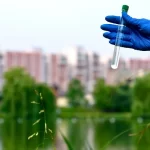
Water samples are collected from various locations. This includes reservoir sources and nearby faucets. The goal is to identify contaminants such as metals and hidden pathogens.
Early detection of contaminants is key. It allows officials to act swiftly, protecting residents from harm. This proactive approach keeps water fresh and prevents corrosion or foreign materials.
Researchers examine over 250 contaminants in multiple stages. This provides a thorough understanding of the distribution system. The focus on taste, appearance, and safety reinforces trust in local water supplies. It prioritizes public health across Queens.
Interpreting Water Quality Reports
Residents in Queens often study published findings to learn if their tap water meets public health standards. The New York City Department of Environmental Protection (DEP) releases an annual water report that outlines key details. Specialists refer to this document as a consumer confidence report because it offers transparency about local conditions and safeguards. Officials gather water test results from multiple sampling sites, then verify these figures against federal benchmarks.
Each report covers trends in mineral levels and protective chemicals, as well as any possible contaminants that could affect taste or safety. Numbers are presented in an easy-to-read format, ensuring residents can follow each parameter with little confusion.
Key Metrics to Watch
Some categories that deserve special attention include turbidity, pH readings, and any traces of lead or copper. Engineers and public health experts compare these factors with the U.S. Environmental Protection Agency’s accepted thresholds.
How Often Reports Are Published
Each borough’s report surfaces once per year on official websites or by mail. Distribution aims to keep the community updated and build confidence in the ongoing health of the city’s water infrastructure.
| Metric | Description | EPA Standard |
| Turbidity | Clarity level of water | Must not exceed 5 NTU |
| Lead | Potentially harmful metal | 15 ppb |
| Copper | Essential element found in pipes | 1.3 ppm |
Addressing Water Hardness Concerns
Water hardness is caused by calcium and magnesium, leading to limescale deposits on surfaces. This buildup is not harmful but can reduce appliance efficiency.
In NYC, water treatment includes pH adjustments to limit corrosiveness. Balanced pH levels reduce scale formation, protecting fixtures and plumbing. This focus on mineral content control minimizes problems, easing concerns for residents and businesses.
Regular checks at home can extend the life of appliances like coffee makers and washing machines, as well as pipes. Simple tests for water hardness help residents determine if water-softening solutions are needed. Regular maintenance ensures smooth operations and prevents costly repairs.
- Inspect faucets for chalky residue
- De-scale kettles to prevent clogs
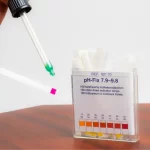
- Monitor pH with test kits
| Mineral | Potential Effect |
| Calcium | May form deposits on faucets and tubs |
| Magnesium | Contributes to scale buildup in appliances |
Filtration and Treatment Options
Residents seeking additional peace of mind often turn to home water filtration. This is to reduce residual minerals or odors. City services already include safeguards against a wide range of contaminants in Queens water.
Activated Carbon Filters
Activated carbon filters are popular for trapping chlorine byproducts and improving flavor. These systems can be installed under sinks or attached to faucets. They offer a simple way to enhance existing plumbing.
Reverse Osmosis Systems
Reverse osmosis systems push water through a semipermeable membrane. This process targets dissolved solids and heavy metals. For optimal performance, proper installation and possibly a pump are necessary.
UV Treatment for Bacteria
Ultraviolet light disinfection kills harmful organisms on contact. This UV treatment complements other methods, protecting against microbial threats that may appear in water lines.
| Technology | Key Advantage | Contaminants Addressed | Maintenance |
| Activated Carbon Filter | Flavor Improvement | Chlorine Byproducts | Periodic Cartridge Replacement |
| Reverse Osmosis | Broad Chemical Reduction | Heavy Metals, Salts | Filter and Membrane Checks |
| UV Treatment | Microbial Defense | Bacteria, Viruses | Annual Lamp Replacement |
The Role of City Infrastructure
New York City’s infrastructure is a complex network of aqueducts, tunnels, and supply lines. It ensures clean water reaches residents around the clock. Regular maintenance is essential to prevent leaks and contamination. Recent projects highlight the city’s commitment to maintaining water service through continuous investment and forward-thinking policies.
Pipe Maintenance and Upgrades
Teams across the five boroughs work tirelessly to maintain water pressure and purity. They use modern materials and strategic updates to minimize disruptions. This proactive approach is critical, given the challenges posed by aging pipes in various communities.
“Regular infrastructure updates are critical to ensure water safety and reliability,” states the American Water Works Association.
Planning for Population Growth
City planners are focused on expanding pipelines and designing new reservoirs to meet growing demands. They aim for efficient solutions that support conservation and protect resources. This careful planning balances future needs with environmental protection, preparing the system for changing weather and regulations.
Spotlight on Sustainable Water Use
New York City is leading the way in sustainability by safeguarding its watershed areas. This effort reduces pollution threats and protects upstate reservoirs. It ensures water sources remain safe, promoting environmental stewardship across all neighborhoods.
Local authorities and engineers are upgrading key infrastructure. They’re preparing treatment systems for the increasing demand. This move encourages water conservation among businesses and residents. Public initiatives emphasize the importance of making eco-friendly choices, such as using faucets wisely and adopting water-efficient appliances.
- Install low-flow fixtures in bathrooms and kitchens
- Report sink or pipe leaks quickly
- Dispose of hazardous chemicals at approved facilities
| Initiative | Primary Benefit | Long-Term Impact |
| Watershed Conservation | Cleaner source water | Fewer treatment costs |
| Infrastructure Resiliency | Stable supply | Better public health outcomes |
Tips for Residents to Maintain Clean Water at Home
In Queens, households must focus on home water maintenance to avoid contamination. Simple actions can significantly reduce the risk of pollutants in drinking water. Regular cleaning of faucets and timely replacement of filters are key to keeping tap water clean.
Regular Plumbing Checks
Inspecting pipes is critical for plumbing care. Older buildings often hide corrosion that can cloud water. Flushing taps for a few seconds can remove stagnant water and reduce metallic residue. It’s advisable to hire certified plumbers for detailed drain inspections.
Safe Disposal of Household Chemicals
Improper disposal of chemicals can harm community water systems. Paint thinners, cleaning agents, and other substances should never be poured down drains. Special collection sites safely handle these products, preventing toxins from entering local waterways.
| Recommended Action | Frequency | Primary Benefit |
| Flush Taps | Weekly | Reduces Lead Exposure |
| Check Pipes | Twice a Year | Detects Corrosion Early |
| Dispose Chemicals Properly | As Needed | Protects Urban Water Source |
Community Involvement in Water Protection
Protecting Queens’ water supply is a collective effort. Neighborhood groups and city leaders play a vital role. Residents can join volunteer teams for cleanups near local streams. This action boosts local water awareness and encourages more neighbors to adopt healthy water practices.
Organizations like the NYC Department of Environmental Protection provide reports on protecting local resources. Public forums offer a platform for environmental engagement and updates on infrastructure upgrades. This firsthand information promotes transparency and shapes responsible water habits.
- Join cleanup events that remove debris from creeks
- Attend open discussions on water policies
- Stay informed through official online channels
| Action | What It Involves | Who to Contact |
| Volunteer Day | Removing trash from park waterways | Visit NYC.gov for details |
| Public Meeting | Discussing future water projects | Check local city council schedule |
Challenges and Future Plans
New industrial methods, climate shifts, and population growth put a strain on Queens’s drinking water. The New York City Department of Environmental Protection (DEP) continuously monitors water quality. They adjust filtration and manage pH levels to meet these demands. Emerging contaminants, such as microplastics and pharmaceutical traces, require immediate detection to safeguard public health.
Emerging Contaminants
Future water technology must keep pace with threats like PFAS chemicals and unregulated pollutants. Ongoing testing uncovers hidden hazards, guiding experts to refine treatment methods. Advanced checks and collaborative efforts ensure neighborhoods trust their tap water.
Innovations in Water Treatment
New filtration membranes, data analytics, and modern reclamation methods pave the way. Facilities upgrade to balance pH and ensure water quality. Regular inspections and public outreach are key to maintaining safe tap water. Pilot programs explore sensor-based systems to detect changes early.
Important Resources and Contacts
Residents often seek clear guidance when questions arise about water quality. Public reports from the New York City Department of Environmental Protection provide detailed summaries of annual testing, along with steps for reporting concerns. This platform serves as a central place for tracking updates and submitting any DEP contact request.
Individuals can explore water quality resources from trusted organizations. The Environmental Protection Agency offers nationwide data, and the local health department delivers pointed advice for health-related issues. Both agencies collaborate on standards to safeguard water for every household.
Many find it helpful to keep reliable references on hand. These may include phone hotlines, certified testing services, and documents explaining approved treatment methods. Residents who stay informed play an important role in preserving the quality of water that sustains Queens neighborhoods.
- Review online data portals to confirm current testing results
- Reach out early if changes in taste or color occur
- Stay connected with public notices for any boil-water advisories
| Resource | Contact Info |
| NYC Department of Environmental Protection | Call 311 or visit NYC.gov/DEP |
| Local Health Department | Check city or state health site |
| EPA Water Quality Resources | EPA.gov/Safewater |
Moving Forward with Confidence in Queens Water
Residents in Queens enjoy the city’s commitment to ensuring drinking water quality. Treatment facilities adhere to strict guidelines, maintaining a stable pH. This is thanks to trusted research and the expertise of professionals. It supports daily health and solidifies trust in tap water as a vital resource.
The borough invests in ongoing water innovations. This includes real-time monitoring, pipe upgrades, and improved testing methods. These efforts reduce risks from natural and industrial sources. They empower communities with transparent reports and programs that encourage responsible water use.
Local outreach and engaged leadership connect official findings with practical tips for residents. Staying informed with the latest testing updates keeps everyone aware of evolving standards. By embracing technology and continued collaboration, Queens moves ahead with confidence in the water from every faucet.
FAQ
Where does Queens get its water supply?
Queens gets its water mainly from the Catskill/Delaware and Croton watersheds in upstate New York. These areas are protected by strict rules to keep the water pure. The water then travels through covered aqueducts into the city’s system.
What makes Queens water safe to drink?
Queens water is treated with chlorination, UV disinfection, and pH adjustments. The NYC Department of Environmental Protection tests over 630,000 samples yearly. This ensures the water meets EPA and New York State standards, keeping contaminants low.
How do federal and state regulations affect tap water in Queens?
The EPA sets national limits on contaminants. New York State adds local oversight. The city’s Department of Environmental Protection meets or exceeds these standards. This shows the borough’s commitment to safe drinking water.
What contaminants are most commonly monitored?
Tests look for lead, copper, nitrates, and microbes. They also check for PFAS chemicals and microplastics. Trace minerals are tracked to keep the water clear and tasty.
What is water hardness, and should Queens residents be concerned?
Water hardness is the amount of calcium and magnesium. It’s not a health risk but can cause limescale buildup. The city manages pH levels to reduce this problem, making issues in Queens mild.
Are additional filtration options necessary if Queens water already meets safety standards?
Most people drink tap water without worry. Yet, some prefer activated carbon or reverse osmosis filters. UV systems are also popular for microbial safety. Keeping these devices well-maintained is key.
How often should residents check their household plumbing?
Older buildings in Queens might have lead pipes or corroded materials. Regular checks can spot issues like leaks or worn pipes. This ensures the water remains safe once it reaches your home.
What does a Water Quality Report include?
The Water Quality Report, or Consumer Confidence Report, shows key metrics. It includes turbidity, pH, chlorine levels, and contaminants like lead and copper. Published yearly, it shows if the city meets EPA and state standards.
How does infrastructure maintenance impact water quality?
Replacing pipes and upgrading water mains helps maintain water quality. The city invests in projects to keep the system working well. This is important as the population grows.
What sustainable practices support Queens water quality?
Conservation, responsible usage, and proper chemical disposal help water quality. The city’s land-use policies protect upstate reservoirs. Residents can save water, reducing demand on the supply.
How can residents help protect the water supply in their community?
Join creek cleanups, attend water board meetings, and advocate for watershed preservation. Staying informed through official reports and the NYC Department of Environmental Protection website helps maintain safe tap water.
What are some emerging challenges for Queens water?
Concerns include pharmaceuticals, PFAS chemicals, and microplastics, plus climate change effects. The city is exploring new filtration methods and monitoring to address these issues.
Where can one find official information and support?
The NYC Department of Environmental Protection website has Water Quality Reports, testing updates, and how to report issues. Residents can also check the EPA or New York State Department of Health for more information.
Why should Queens residents stay informed about water quality?
Knowing about water treatment, regulations, and challenges gives peace of mind. Informed residents can take steps like plumbing checks or using filters. This ensures their tap water is safe and enjoyable to drink.