7 Water Analysis Methods
- Published:
- Updated: January 17, 2025
Listen to this article
Summary
Water analysis is crucial to ensure safety and quality for drinking, industrial, and environmental purposes. A water analytical laboratory plays a key role in this process by conducting a variety of tests to detect contaminants and assess the overall composition of the water. These laboratories employ advanced techniques and technologies to provide accurate results, helping stakeholders make informed decisions regarding water usage and management. By maintaining rigorous standards, such facilities contribute significantly to public health and environmental sustainability.
- Understanding different methods of water analysis
- Discovering the strengths of each method in detecting contaminants
- Learning how water testing helps maintain public health and environmental safety

Physical Analysis
Physical analysis is the study of the physical characteristics of water (color, odour, taste, turbidity). Such features are also used to indicate water’s transparency, contamination and general fit for drinking. High turbidity, for example, might indicate suspended particles (that contain microbes or contaminants).
This is a standard water testing technique, which provides a very quick, initial reading on the water quality. Physical analysis doesn’t necessarily pick up on specific contaminants, but it’s a good way to find out if more testing is required to investigate potential issues.
Chemical Analysis
Water tested for chemicals based on pH, hardness, alkalinity, and even ions like nitrate, chloride, and sulfate. This analysis is important for detection of inorganic contaminants and dissolved contaminants that can impact health, taste and/or usability for various applications.
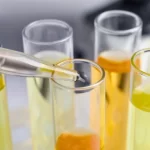
With the help of advanced methods such as titration and spectrophotometry, chemical concentrations can be measured precisely. Chemical analysis gives you vital data that can be used to evaluate water safety and treatment options. It is the most popular way that public and private wells get to be as safe as possible.
Microbiological Analysis
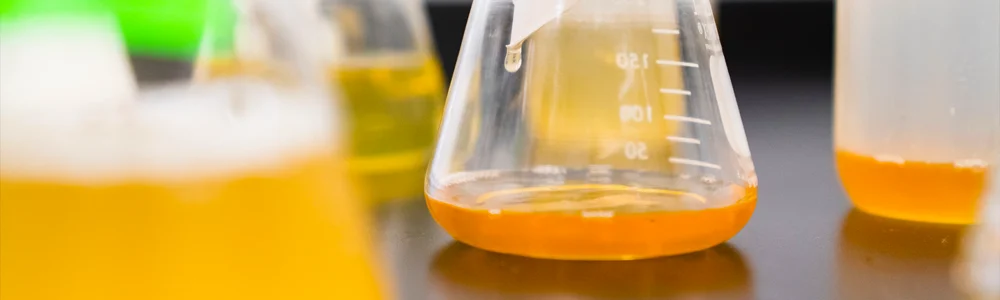
Tests using microbiological methods check water for bacteria, viruses and protozoa that are pathogens that can make people sick. Standard tests are used to find E. coli, coliform bacteria, and other pathogens so you know that your water is not contaminated with a disease causing microbes. This is a very useful approach for drinking water since microbiological contamination can pose a severe health risk.
By detecting and quantifying microbes, labs can perform membrane filtration, multiple-tube fermentation and so on. We need microbiological analysis to ensure public health — particularly where the water is contaminated by sewerage or animal excrement.
Spectroscopy Analysis
In water, metals and organics are detected by spectroscopy (atomic absorption and UV-visible spectroscopy). This test is based on measuring the absorbance of substances in the water and it shows what they are made of. Spectroscopy is very sensitive and therefore, ideal for the analysis of heavy metals such as lead, mercury, arsenic.
This is commonly used for environmental testing, industrial water testing and regulatory purposes. Spectroscopy can detect traces of toxicity metals that will ensure no dangerous chemicals are dissolved in water, as well as water that meets standard specifications.
Chromatography Analysis
GC and HPLC chromatography seperate molecules in water to find organic contaminants such as pesticides, drugs, and industrial chemicals. It’s a sensitive method, catching even very small amounts of complex organics.
Chromatography is very common in high-end water testing labs for environmental monitoring and research. It shows the exact amount and type of pollutants, aiding in water quality management and source corrections.
Gravimetric Analysis
Gravimetric analysis: The amount of TDS and TSS (total dissolved and suspended solids) in water can be calculated through the process of evaporating the sample water and weighing the residual. The process determines the mineral and sediment level which has an impact on the hardness of the water and the industrial uses.
Gravimetric analysis is easy and convenient, most common for sewage treatment and industrial water testing. As high as 10% or more dissolved or suspended solids, that indicates contamination or treatment. This approach yields information on water’s physical and chemical structure that can be applied in both the environment and industry.
Titrimetric Analysis
Titrimetric measurement or titration is the quantitative measurement of ions or compounds in water. It’s commonly used to detect hardness, alkalinity and dissolved oxygen. Titration – A reagent is mixed into the sample until a reaction endpoint is reached, then the concentration can be calculated.
This is a simple and generalized method, often applied both in field and in labs. Titrimetry is essential for learning chemical compositions of water to make sure it meets standards, and is fit for drinking and industry.
Conclusion
There are several methods to perform water analysis, and each method has its own merits for quality and safety. From microbiological tests to advanced chromatography, these methods inform us about water’s physical, chemical and biological composition. Using these tests regularly keeps water sources clean, safe and up to date with standards. In a better understanding of these methods, we can avoid risks to public health and the environment from water contamination.
Share this on social media:
Facebook
Twitter
LinkedIn

Related Posts