Queens’ Tap Water and the Unseen Ammonia Threat
- Published:
- Updated: December 16, 2024
Listen to this article
Summary
Ammonia in Queens’ tap water, though unseen, poses health and environmental risks. Understanding its sources, detection, and treatment is crucial for maintaining water quality.
- Sources: Natural processes, wastewater discharge, fertilizer runoff.
- Health Risks: Eye irritation, headaches, respiratory issues, kidney problems.
- Treatment: Filtration, chemical treatment, constant monitoring.

Ammonia in tap water is an invisible and largely unnoticed issue with big health, safety and environmental consequences. The water system in Queens, the densely populated, multiracial borough of New York City, has millions of customers, so the question of ammonia quality has resonance. But even if it is invisible to the eye, ammonia in the water we drink from the tap should be kept in mind.
The Queens' Water Supply System
Queens’ water comes from reservoirs and wells, all tied together by pipes, treatment plants and distribution centres. This system must be grasped to see where ammonia could leak into the water supply. The borough’s infrastructure, some of it 100 years old, has been modernised and upgraded but still vulnerable to all manner of problems such as contamination.
Here, the problem of ammonia’s presence isn’t unique but a part of a larger conversation around water quality and health. Understanding how Queens’ water comes from, gets treated and is served offers an appreciation of how difficult it is to keep water clean and safe. This is how the invisible ammonia menace can be addressed.
Ammonia in Water: What Is It and Where Does It Come From?
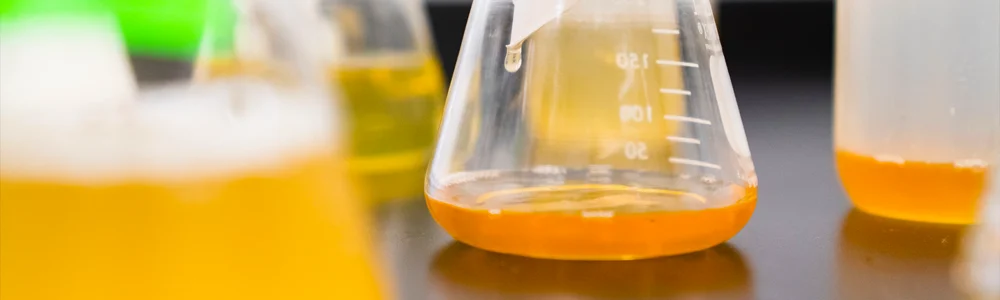
Ammonia is a nitrogen and hydrogen gas that is natural, but also the waste product of some industrial and agricultural processes. It can be present in water as a natural or by-product of human activities (sewage discharge, fertilizer discharge).
There are many ways that ammonia has made its way into Queens’ water system, from the natural to the man-made. Knowing these sources helps to design solutions for reducing or eliminating ammonia in tap water. Natural sedimentation or industrial pollution: it is there, and we need to keep watching and responding.
Detection and Monitoring: How Ammonia Levels Are Tracked
Ammonia measurement and testing is done in water by a separate test method and instrument. These are methods by which water-quality professionals can measure the ammonia concentration and assess whether it is within acceptable range. And yet, for all the fancy technology at hand, the monitoring is not consistent, accurate or complete.
Water departments in Queens use both internal testing and third-party laboratories to keep water quality under control. Monitors monitor to see compliance and provide alerts of issues before they happen. But the interconnected water system and fluctuations in potential ammonia supply mean it must be vigilant 24/7.
Health Risks and Safety Standards: Understanding the Threat
Ammonia in drinking water has health hazards that differ with concentration and duration of exposure. For short-term exposures, the effects could be atypical but chronic or chronic exposures can be harmful.
Inadvertent Risks: Eye irritation, headaches, bloating.
Lang-term Hazards: Degenerative diseases such as breathing problems or kidney problems.
Knowledge of these hazards drives regulations’ safety guidelines. In Queens, water departments are bound by rules limiting the amount of ammonia permitted, with health effects in mind. These are the shackles to the public health and confidence in the water system.
Environmental Impact: Ammonia's Effects on Ecosystems
Ammonia doesn’t just hurt humans, it also ravages the planet. High ammonia concentrations in aquatic systems are toxic to fish and other living things, which causes imbalances and harm over time.
The more environmental consequences are those of the quality of natural water bodies, as well as of ecosystems dependent on them. There are no two places in Queens, with a combination of city growth and nature, where ammonia needs to be watched and kept at bay. Human needs and environmental responsibility are two side of the same coin, but they are both critical.
Current Treatment Processes: How Queens Is Handling the Issue
Queens’ solution to the ammonia problem is a treatment system of filtration, chemical treatment and surveillance. All of this combined to keep ammonia in normal ranges and water in optimal condition.
Applied to the existing treatments, there are innovations and advances continually looking for to increase the efficacy and efficiency. Water sustainability is a lifelong journey requiring investment, know-how and effort from everyone.
What Residents Can Do: Personal Measures and Precautions
Individual precautions can give extra assurance for residents who are worried about ammonia in their sewage. There are home water quality test kits if you’re looking to monitor your own water. Water filters that are ammonia removal or reducers can be a good purchase as well.
Getting involved with local water departments, getting updates, and knowing how the water is maintained also gives people power. Small-scale actions, and larger awareness, go towards the end result that Queens’ tap water is clean and untainted by invisible evils such as ammonia.
Looking Ahead: Future Strategies and Innovations
Addressing the ammonia threat in Queens’ tap water is an ongoing journey. As technology advances and understanding grows, future strategies will likely include new innovations, more rigorous monitoring, and community engagement.
Investment in research, infrastructure upgrades, and public education will continue to play a crucial role in maintaining and improving water quality. The unseen ammonia threat may never be entirely eradicated, but with concerted effort, vigilance, and commitment to excellence, it can be managed effectively, ensuring that Queens’ tap water remains a safe and trusted resource for all its residents.
Conclusion: Addressing Ammonia in Tap Water
Managing ammonia in Queens’ water requires continuous monitoring, advanced treatment methods, and community engagement. By understanding the sources and potential health impacts, residents and authorities can work together to ensure safe drinking water. Future strategies, including technological advancements and infrastructure upgrades, will be vital in maintaining water quality. Commitment from all stakeholders is essential to address this unseen threat, ensuring the safety and trust of Queens’ tap water for all residents.
Share this on social media:
Facebook
Twitter
LinkedIn