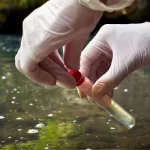
Exploring the Vital Role played by Microorganisms in Water Quality Assessment and Analysis
- Published:
- Updated: December 16, 2024
Listen to this article
Summary
Microorganisms, including bacteria, viruses, and protozoa, are vital indicators of water quality, reflecting both beneficial and harmful aspects. Beneficial microorganisms like nitrogen-fixing bacteria improve water quality, while harmful ones such as E. coli and Cryptosporidium can pose health risks. Methods for detecting microorganisms include cultural, molecular, immunological, and membrane filtration techniques, each with advantages and limitations. Microorganisms play essential roles in water treatment processes, including disinfection, filtration, and bioremediation, helping to ensure safe drinking water.

The water quality is a highly complicated and multidimensional problem that must be monitored and analysed. Among other things, microbes are instrumental in doing so, because they’re indicator species that can tell us something about water systems’ condition. We can better understand the health of our water systems and act to conserve them by learning more about how microbes contribute to water quality measurement and analysis. That, in turn, can lead to everybody having access to safe drinking water and clean environment.
What types of microorganisms can be found in water, and how do they impact water quality?
There are many different types of microorganisms that can be found in water, including bacteria, viruses, fungi, and protozoa. Some of these microorganisms are beneficial to water quality, while others can pose a threat to human health and the environment.
- Beneficial Microorganisms: Beneficial microorganisms, such as nitrogen-fixing bacteria, can improve water quality by breaking down organic matter and improving water clarity.
- Harmful Microorganisms: Harmful microorganisms, such as Escherichia coli (E. coli) and Cryptosporidium, can cause illness and disease if they are present in drinking water. These microorganisms can enter water through human and animal waste, and can survive in water for long periods of time, making them a threat to human health.
- Algae: Algae are microorganisms that can grow in water, causing algal blooms. Algal blooms can reduce water quality by depleting the oxygen in the water, which can harm fish and other aquatic life. They can also cause taste and odor problems in drinking water.
- Fungi: Fungi can grow in water, causing problems with taste and odor and potentially posing a threat to human health.
The impact of microorganisms on water quality can vary depending on the specific microorganism and the type of water. Regular water quality monitoring and treatment, including the use of disinfectants, is essential for ensuring the safety of drinking water and protecting public health. By taking action to prevent contamination and protect water sources, we can reduce the risk of waterborne diseases and ensure access to clean and safe drinking water.
Significance of Bacteria, Viruses, and Protozoa in Water Quality Analysis

Bacteria, viruses, and protozoa are important indicators of water quality, as their presence in water can indicate the presence of other contaminants. For example, the presence of fecal bacteria in water can indicate the presence of human or animal waste, which can contain harmful pathogens. The presence of viruses in water can also indicate the presence of fecal contamination and the potential for the spread of waterborne diseases.
Protozoa are also important indicators of water quality, as they can survive in water for long periods of time and can cause illnesses if consumed by humans. The presence of protozoa in water can indicate the presence of other pathogens and can be used to assess the effectiveness of water treatment processes.
What are the methods for detecting and measuring microorganisms in water?
There are several methods for detecting and measuring microorganisms in water, including:
- Cultural Methods: Cultural methods involve growing and culturing microorganisms in a laboratory to detect their presence. This method can be time-consuming and may not be effective for detecting all types of microorganisms, but it is a useful tool for identifying specific microorganisms and determining their quantity.
- Molecular Methods: Molecular methods, such as polymerase chain reaction (PCR) and DNA sequencing, can be used to rapidly detect and identify specific microorganisms in water. These methods are highly sensitive and specific, but they can be expensive and require specialized equipment and expertise.
- Immunological Methods: Immunological methods, such as enzyme-linked immunosorbent assays (ELISAs), can be used to detect specific microorganisms in water. These methods are relatively fast and simple, but they can be expensive and may not detect all types of microorganisms.
- Membrane Filtration: Membrane filtration involves filtering water through a membrane and counting the number of microorganisms that are trapped on the membrane. This method is simple, inexpensive, and can be used to detect a wide range of microorganisms, but it may not provide information on the specific type of microorganism present.
The Role of Microorganisms in Water Treatment Processes
In water filtration, disinfection and filtration, microbes are necessary. Disinfection is the destruction of the bad microbes in water and is usually carried out by chemicals like chlorine or ozone. Other major water treatment treatments include filtering — which is used to remove particulates and microorganisms from the water through sand or activated carbon filters.
These are the traditional water treatments, but microbes can also be harnessed to detoxify soiled water by means of bioremediation. In bioremediation, microbes eat and disintegrate pollutants out of water so it can be safe to drink. It is becoming a very popular option to clean impacted water bodies because this is usually cheaper and less toxic than traditional treatment processes.
The Impact of Environmental Factors on Microorganisms in Water
Temperature, pH and pollution can all have a huge impact on how well and how long microbes in water grow and survive. Temperature increases the number of bacteria that can be grown, for instance, and pH lower kills others. Heavy metals and organic pollutants can even harm microbes’ lives in water.
Monitoring levels of these environmental parameters in water will help determine whether water is quality and the wellbeing of the microorganisms present in the water. Water treatment plants, once they know the effect of these factors, can control the microbe growth in water and keep the water safe for humans.
The Benefits of Using Microorganisms for Bioremediation of Contaminated Water
This is an ever more prevalent cleaning method for contaminated water, as it’s cheaper and healthier for the environment than conventional restoration processes. Water can be decontaminated with microorganisms that degrade everything from heavy metals to organic compounds to petroleum products.
Bioremediation, on top of being affordable and environmentally friendly, can also be more effective than conventional remediation, as microorganisms digest pollutants faster and better. Using microbes to disinfect water we can save the world and have safe and contaminant-free water to drink and use.
The Challenges and Limitations of Using Microorganisms for Water Quality Assessment and Analysis
But even though microbes are very important for monitoring and analysing water quality, they’re difficult and limited to use in that way. The first is that it’s challenging to detect and count water microbes – particularly viruses and protozoa, which are more difficult to culture than bacteria.
A second problem is the environmental effect of microbes growing and surviving in water. As mentioned earlier, environmental variables like temperature, pH and pollutants can all affect how microorganisms grow and survive in water, and water quality can also be hard to measure.
The Future of Microorganisms in Water Quality Analysis and the Impact of Emerging Technologies
The water quality future for microbes is bright, and new technologies and approaches are being formulated to make it even easier to find and quantify these microbes in water. New molecular methods, like PCR, for instance, have made our detection of viruses and protozoa in water far more sensitive.
Also, there are technologies being invented to make water filtration more effective and economical. For instance, there are now better water filters that get rid of particles and microorganisms from water, and new technologies are being created to make bioremediation work more effectively.
Share this on social media:
Facebook
Twitter
LinkedIn

Related Posts