Who is responsible for water line from street to house?
- Published:
- Updated: August 3, 2025
Listen to this article
Summary
Responsibility for the water line from the street to a house is split between the public water main, managed by the local utility, and the private service line, maintained by the homeowner. Homeowners are responsible for repairs and maintenance of the private service line, while the water utility handles issues related to the public water main.
Key Points:
- The public water main is managed by the water utility, while the private service line is the homeowner’s responsibility.
- Regular inspections and professional repairs are essential for detecting issues early and avoiding costly repairs.
- Water line repairs can involve methods such as pipe relining, pipe bursting, or spot repairs, depending on the damage.

When it comes to the responsibility of maintaining and repairing the water line that runs from the street to a house, it is often a topic of confusion and concern for homeowners. Determining who is responsible for this critical piece of infrastructure is essential for ensuring uninterrupted water service and addressing any potential issues efficiently.
In this article, we will explore the complexities of water line responsibility, the processes involved in water line repairs, and the importance of regular water line inspections. Our goal is to provide a comprehensive understanding of these topics, drawing from decades of experience in environmental consulting and water quality analysis.
Understanding Water Line Responsibility
The responsibility for water lines can vary significantly depending on the jurisdiction, local regulations, and the specific circumstances of the property. Generally, the water line that runs from the street to a house is divided into two main parts: the public water main and the private service line.
The Public Water Main
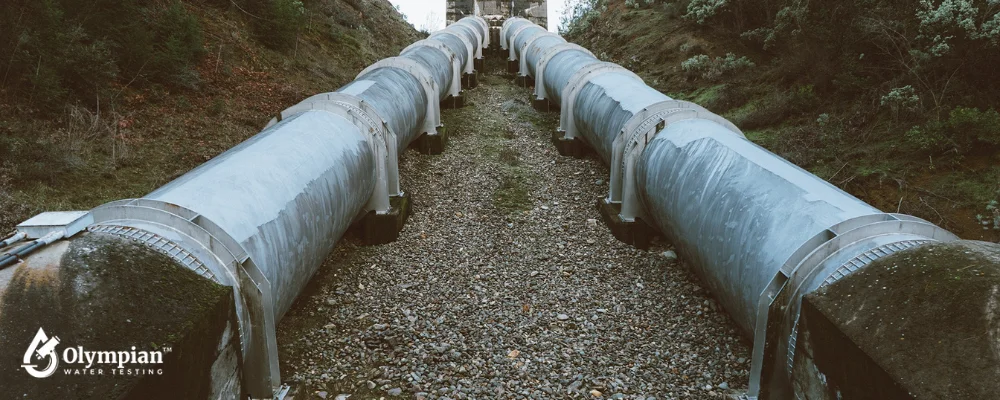
The public water main is usually owned and maintained by the local water utility or municipality. This portion of the water line is responsible for delivering water from the municipal supply to the curb stop or property line, where the private service line begins.
It is the responsibility of the water utility to ensure the integrity of the public water main, conduct regular inspections, and perform necessary repairs. Any issues or repairs required on this section of the line are typically covered by the water utility.
The Private Service Line
The private service line, on the other hand, extends from the curb stop or property line to the house. This segment of the water line is the responsibility of the homeowner. Property owners are accountable for the maintenance, repair, and replacement of the private service line.
Issues such as leaks, blockages, or breaks in the private service line must be addressed by the homeowner. It is crucial for property owners to be aware of this responsibility to prevent potential disruptions in water service and avoid costly repairs.
Water Line Repairs: A Comprehensive Overview
Water line repairs can be complex and require a thorough understanding of the infrastructure involved. Whether it is a minor leak or a major break, timely and effective repairs are essential to maintaining a reliable water supply to your home.
Identifying the Need for Repairs

Detecting issues with the water line is the first step in the repair process. Signs of water line problems may include a sudden drop in water pressure, unexplained increase in water bills, wet spots in the yard, or visible water damage in the home.
Homeowners should conduct regular checks and be vigilant for any signs of water line issues. Early detection can help minimize damage and reduce the cost of repairs.
Engaging Professional Services
Once a problem is identified, it is advisable to engage professional services for water line repairs. Licensed plumbers or water utility professionals have the expertise and equipment necessary to accurately diagnose and repair water line issues.
Professional services ensure that repairs are conducted safely and in compliance with local regulations. Attempting to perform repairs without the necessary expertise can lead to further damage and potential legal issues.
Common Repair Techniques
Repair techniques for water lines vary depending on the nature and extent of the damage. Some common methods include:
- Pipe Relining: This technique involves inserting a flexible, resin-coated tube into the damaged pipe. Once in place, the resin hardens, creating a new, durable inner lining.
- Pipe Bursting: In this method, a new pipe is pulled through the existing damaged pipe, effectively replacing it. The old pipe is broken apart as the new pipe is installed.
- Spot Repairs: For minor leaks or localized damage, spot repairs may be sufficient. This involves excavating the affected area and replacing or repairing the damaged section of the pipe.
The Importance of Water Line Inspections

Regular water line inspections are crucial for maintaining the integrity of the water supply system and preventing unexpected issues. Inspections help identify potential problems before they escalate, allowing for proactive maintenance and repairs.
Benefits of Regular Inspections
Regular inspections offer numerous benefits, including:
- Early Detection of Issues: Inspections can identify leaks, corrosion, or other potential problems early, reducing the risk of major disruptions.
- Cost Savings: Addressing minor issues promptly can prevent costly repairs and extensive damage.
- Ensured Compliance: Regular inspections help ensure that the water line system complies with local regulations and safety standards.
Inspection Techniques
Water line inspections can be conducted using various techniques, depending on the specific needs and circumstances:
- Visual Inspections: A basic inspection involves visually examining accessible parts of the water line for signs of damage or wear.
- Video Inspections: Specialized cameras can be inserted into the water line to provide a detailed view of the interior, helping to identify hidden issues.
- Pressure Testing: This method involves testing the water line’s pressure to detect leaks or weaknesses in the system.
Conclusion
Understanding the responsibility for the water line from the street to the house is essential for homeowners to ensure reliable water service and address any issues promptly. The division of responsibility between the public water main and the private service line underscores the importance of regular inspections and professional repairs.
By staying informed and proactive, homeowners can maintain the integrity of their water line system and avoid costly disruptions. Through our comprehensive guide, we aim to provide valuable insights and practical advice for addressing water line responsibilities, repairs, and inspections.
Remember, maintaining your water line is not just about compliance; it’s about ensuring the health and safety of your household.
Share this on social media:
Facebook
Twitter
LinkedIn