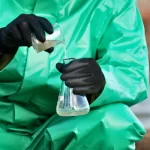

Why Water Quality Matters
Clean sources are essential for community health. Those who prioritize tap water safety understand the need for well-maintained pipes and regular testing. These steps eliminate harmful pollutants, preventing serious health problems. This focus ensures every home has access to safe drinking water, vital for daily life. For more information, visit this CDC page.
Simple actions like regular inspections or updates to water systems can significantly reduce contaminants. It’s not just the local authorities’ job; every resident must be aware. Investing in proper treatment and distribution systems improves overall quality of life.
Health Benefits
Safe drinking water means fewer toxic chemicals and germs, reducing illness risks. Those who prioritize safe drinking water often see better digestion and stronger immunity. Children and the elderly are most vulnerable, so they benefit the most.
Environmental Impact
Protecting water sources also safeguards habitats for fish and wildlife. Reducing wasteful consumption cuts down on plastic use, keeping ecosystems healthy for future generations. Focusing on tap water safety promotes a cycle of health and sustainability.
Common Water Purification Methods
Communities often explore different water filtration methods to protect local resources. Many states focus on cleaner sources by upgrading equipment and staying watchful for contaminants. These efforts arise from the desire to provide fresh water that meets high safety standards and tastes pleasant.
Filtration Techniques
Brands like Brita and Pur offer household filtration units that use activated carbon to trap pollutants. Cities enhance their processes by adding reverse osmosis or UV treatments to target microscopic organisms. Some officials track ongoing results through regulatory bodies, making adjustments when heavy metals appear. These steps reflect a continuous push to align with EPA regulations and deliver consistent purity.
Chlorination and Chemical Treatments
Local water authorities sometimes turn to chlorination to neutralize germs and viruses. Though effective, it can influence flavor if not managed with care. States that excel in water quality take a balanced view—analyzing chemical levels while adhering to EPA regulations. This practice gives residents better peace of mind and improved water taste.
Comparing States With Best Drinking Water
Regional differences significantly impact how each area manages its natural resources and filtration systems. Many regions aim to protect public health by implementing strict safety measures and modern technologies. Understanding which states have the best water quality is essential for both residents and institutions seeking effective solutions.
Criteria for Comparison
Important factors include contamination averages, the frequency of pipeline upgrades, and compliance with local regulations. Each state is evaluated based on whether its systems meet high standards for clarity, odor, and taste. People look for low levels of heavy metals and chemicals, as these can affect daily water consumption.
Data Sources and Surveys
Public agencies and consumer groups collect data through water utility surveys and third-party reports. J.D. Power ratings and Environmental Protection Agency records highlight top-performing states and their compliance levels. This information helps identify communities that excel in maintaining healthy water supplies.
Indicator | Purpose | Evaluators |
Contamination Level Checks | Verify purity against federal limits | EPA, State Labs |
Infrastructure Audit | Assess condition of pipelines | Municipal Departments |
Customer Satisfaction | Measure user feedback on taste and service | J.D. Power, Community Outreach |
Impact of Geographic Location
Local water quality varies significantly across the United States, influenced by geography. Elevation, climate, and natural formations play a key role in mineral content. Water from hillsides tends to have fewer pollutants than areas near the ground, affected by runoff. These factors guide states in designing their water treatment systems.
Mountain Springs and Aquifers
Mountainous regions contribute cold snowmelt to clear streams, replenishing deep aquifers. These underground reservoirs can offer pristine water if managed effectively. The high elevation in these areas limits contamination, making spring-fed systems common. They support thriving communities. Deep aquifers act as a barrier against surface pollutants, provided they are properly managed.
Coastal Considerations
Coastal areas face challenges from saltwater intrusion, necessitating desalination or advanced filtration. Regions near busy ports must deal with industrial waste, requiring constant testing and upkeep. Ocean winds influence humidity and rainfall, altering water composition over time.
Role of Infrastructure Upgrades
Modernizing old systems is key to keeping water sources clean. This involves upgrading pipes and filters to block contaminants. Skilled technicians manage these systems, ensuring water remains pure at every step.
Modern Treatment Facilities
Today’s water treatment plants use cutting-edge technology. They remove harmful substances like heavy metals and bacteria. Automated sensors in filtration units guarantee consistent water quality. This not only protects the environment but also ensures a reliable water supply for residents.
Government Funding Initiatives
Grants from government leaders are vital for improving drinking water infrastructure. These funds support projects like pipeline replacements and leak repairs. Such efforts lead to fewer service interruptions and a steady supply of safe water. Investing in these upgrades builds trust in local utilities and safeguards families for the long haul.
Spotlight on a Leading Example
States like Washington and Hawaii stand out for their proactive approach to water quality. They set ambitious goals, aligning with interstate water standards through rigorous inspections and transparent testing. This commitment leads to cleaner resources and boosts public confidence in the safety of drinking water.
State-Level Regulatory Steps
In these states, legislation sets standards higher than federal regulations. Oversight agencies push to improve water treatment plants, aiming to minimize chemical residues and improve taste. They measure outcomes against interstate water standards to ensure consistent quality across municipal systems.
Community Engagement
Community involvement is key, fostering open dialogue and volunteer programs. Residents learn through workshops on filtration and conservation. Many visit water treatment plants, gaining firsthand knowledge. This inspires them to adopt sustainable practices, protecting water supplies for everyone.
Historical Perspective on Water Quality
In the last century, the United States has significantly advanced in safeguarding its citizens from polluted water. The introduction of chlorination in densely populated cities marked a significant shift. It effectively controlled disease outbreaks that were once rampant in communities.
The Safe Drinking Water Act introduced national standards, revolutionizing water monitoring. This led to the development of more advanced filters, sophisticated chemical analysis, and thorough inspections. Experts view this law as a cornerstone in improving health outcomes across both urban and rural areas.
Despite progress, challenges persist due to outdated infrastructure. Municipalities have faced crises due to aging pipes or lack of funding for upgrades. Ensuring adequate funding for modernization is critical to prevent harmful contaminants from bypassing defenses. The history of water regulation highlights the importance of ongoing oversight, ensuring that current standards remain effective.
Evaluating Taste and Mineral Content
Sipping water is more than just quenching thirst. The mineral content greatly influences flavor, mouthfeel, and aftertaste. A balanced mix of trace elements can result in a cleaner finish and a more refreshing taste.
Mineral Ratios and Flavor
Calcium and magnesium play a significant role in water hardness. High levels can enhance certain flavors, but too much can overpower them. The American Water Works Association advocates for maintaining a balance in mineral ratios. This balance is key to both taste and health benefits.
Taste Testing Methods
Utilities often use tasting panels and follow strict EPA guidelines. These methods assess color, smell, and mouthfeel to ensure water quality. Panels rate samples on detailed scales, revealing whether additives or minerals dominate the natural taste.
Experts look out for metallic or chlorine notes that could affect water quality. Achieving the right levels of calcium and magnesium helps control water hardness. This ensures a crisp, refreshing taste.
Environmental Sustainability Efforts
States are investing in strategies to cut down pollution and protect ecosystems. Many programs aim to limit hazardous discharges, safeguard rivers, and foster community responsibility. Leaders understand that sustainable water initiatives extend beyond technology, focusing on careful planning and resource management. This approach enhances water supplies and promotes healthier habitats.
Some efforts include:
- Protective zoning that restricts industrial development along fragile watersheds
- Upgrades to treatment plants that remove emerging contaminants
- Public campaigns that inspire citizens to fix leaks and use less water
States dedicated to a clean water policy often achieve better outcomes. By reducing unnecessary consumption, they lower demand on reservoirs and aquifers. This preserves supplies for the future. It also eases concerns about water shortages in dry seasons. This can drive innovation, as experts work together on advanced methods for safer drinking water.
Addressing Seasonal Changes
Communities often face shifting water patterns that demand close observation. Seasonal water variations influence the taste, availability, and purity of public supplies across the year.
Snowmelt and Runoff Impact
A heavy snowpack replenishes rivers and lakes. Sudden melting can sweep sediments and debris into treatment facilities. Operators often adjust filtration steps to address the climate impact on water resources. Strategic planning includes stronger levees and controlled release channels to manage flow.
Dry Spells and Water Scarcity
Long stretches without precipitation cause aquifer levels to drop. Reservoirs may show higher mineral buildups and lower clarity. Insights from water is life highlight the value of early detection methods and targeted conservation efforts. Smaller towns embrace storage initiatives that keep supplies consistent.
Challenge | Response |
Rapid Thaw | Stronger runoff control measures |
Prolonged Drought | Reservoir restoration projects |
Understanding Consumer Feedback
Consumer input shapes the policies that protect each community’s drinking supply. Opinions from diverse regions offer a snapshot of taste, affordability, and maintenance efforts.
Public responses gathered through water utility surveys help gauge local satisfaction levels. Some individuals focus on clarity and odor, while others pay close attention to the level of service. Residents often share tap water ratings that reflect their day-to-day experiences.
Resident Surveys
Groups like J.D. Power ask about billing transparency and overall quality. Their findings guide improvements in distribution systems. Small details, such as how quickly utilities respond to concerns, can affect trust.
Industry Awards and Recognition
Water companies that excel in these areas may earn honors from national organizations. These accolades signal strong performance in meeting health standards and delivering safe results. Data from more than one tap water ratings source highlights breakthroughs in research and practice, which helps utilities refine their programs. Consistent praise in water utility surveys can prompt more funding for ongoing upgrades.
Key Award | Organization | Focus |
Utility Excellence Award | American Water Works Association | Infrastructure Innovation |
Best Tasting Water Prize | National Rural Water Association | Flavor & Quality |
Why Some States Excel Over Others
Many states excel by setting their sights higher than the minimum requirements. They ensure their water remains pristine throughout the year. This proactive stance leads to quicker resolution of issues and boosts community confidence. It’s a testament to their commitment to public health and safety across the nation.
Collaboration with Local Agencies
States that excel often form strong alliances with local health departments and city utilities. This synergy enables smoother operations and faster responses to contamination threats. Through continuous training, they stay updated on the latest best practices.
Adherence to Federal Guidelines
Some states go the extra mile by adhering to strict testing protocols for chemical contaminants. They consult with the Environmental Protection Agency to ensure their water standards are met. This dedication to water safety is a cornerstone of public health in diverse communities.
Key Initiative | Primary Benefit | Agency Involved |
Frequent Contaminant Testing | Early Detection | Local Health Bureau |
Infrastructure Upgrades | Reliable Water Flow | State Utilities Board |
Public Education Campaigns | Stronger Community Engagement | EPA Collaboration |
Ensuring Safe Water for Future Generations
States focused on tomorrow’s challenges invest in robust drinking water infrastructure and forward-thinking policies. Upgrades to treatment plants and pipelines protect against threats from population growth, industrial demands, and weather changes. Research into advanced filtration, like membrane systems, adds a new defense layer.
Future water security relies on collaboration between government agencies, utility providers, and local communities. Many households opt for personal filtration devices for extra protection. Stricter regulations also support these efforts, pushing for regular evaluation of water sources and treatment methods. With ongoing planning and innovation, reliable, affordable water is within reach for all. This ensures health, supports thriving ecosystems, and leaves a lasting legacy for future generations.
FAQ
Which states are often recognized for having the best drinking water?
States like Washington, Hawaii, Alabama, and South Carolina are frequently praised for their water quality. They have low contamination levels, well-maintained infrastructure, and adhere closely to EPA standards.
Why does water hardness matter for both taste and safety?
Water hardness, influenced by minerals like calcium and magnesium, affects taste and can cause scaling in pipes. Moderate levels are beneficial for health. But very hard water may leave residue and affect appliance performance.
What methods do states and municipalities use to remove contaminants like PFAS and heavy metals?
States and municipalities use reverse osmosis, activated carbon filtration, and advanced chemical treatments. They also test for contaminants like lead, arsenic, and PFAS to ensure safety and comply with the Safe Drinking Water Act.
How does infrastructure influence water quality?
Quality drinking water relies on well-maintained treatment facilities and modern pipelines. Upgrades funded by local governments or federal grants help replace aging lead pipes. This reduces brown water incidents and improves treatment processes.
Are J.D. Power surveys and consumer feedback truly important?
Yes. J.D. Power evaluates taste, customer service, and more. This feedback, combined with metrics like contamination levels, offers a full view of user satisfaction. It helps regulators and utilities identify areas for improvement.
How do natural water sources in mountain or coastal regions affect quality?
A: Mountain springs often bring cleaner, naturally filtered water. Coastal states may face saltwater intrusion or industrial discharge. Yet, effective infrastructure and strict oversight keep water safe across diverse geographies.
What role does community involvement play in water safety?
A: Community engagement includes public forums, educational programs, and transparent reporting. States like Washington and Hawaii show how resident participation fosters trust. It helps identify issues quickly, leading to better water management.
How do seasonal changes impact drinking water quality?
A: Snowmelt in spring can introduce contaminants, while drought conditions may concentrate minerals and pollutants. States use strategic water storage and consistent monitoring to adjust treatment levels and preserve quality year-round.
What about taste in evaluating water quality?
Taste is influenced by mineral content, chlorination, and filtration methods. Balancing disinfection processes with flavor is key. Too much chlorine can cause unpleasant odors or tastes, while insufficient treatment risks bacterial growth.
How can states prepare to maintain safe water for future generations?
Long-term planning includes investing in infrastructure upgrades and conducting regular inspections for emerging contaminants like PFAS. Promoting sustainable water use is also essential. Collaboration among government agencies, private utilities, and communities ensures a robust safeguard for public health and environmental resources.