Does Your Tap Water Have Acetone? A Must-Read for Brooklyn Residents
- Published:
- Updated: January 6, 2025
Listen to this article
Summary
Concerns over acetone in Brooklyn’s tap water:
- Acetone, a solvent found in household products, can contaminate water through industrial spills and runoff.
- Brooklyn’s aging water infrastructure poses challenges in filtering out newer contaminants like acetone.
- While most areas meet safety standards, some neighborhoods have reported elevated acetone levels.

We live day-to-day and assume that the water running out of our taps is clean and safe. But with all the new worries about some contaminants, it’s even more important to know where our water comes from. And to Brooklynites, the talk lately has been whether tap water might contain acetone.
Understanding Acetone: What is it?
Acetone is a solvent commonly found in nail polish removers, paints and plastics manufacturing, most famous for its smell. It’s a white liquid that evaporates fast and dissolves all kinds of stuff. Acetone is found, in trace quantities, all around us and in our bodies as a metabolic by-product. But the siren is rung when its concentration in our tap water gets too high, as it can have adverse health effects if consumed in quantities.
The industrial sector has made acetone more common in the air. Because it is so common, especially in households, it can easily enter the water supply if products containing acetone are not properly disposed of. Besides, acetone also can be released into the water via industrial spills or runoffs, so the possibility that acetone ends up in tap water is very real.
How Does Acetone Get into Tap Water?

Acetone gets into tap water in a number of ways, but the first being industrial leaks. Machineries that make or process acetone could spill it into the water supply, then pollute the water supply. It’s particularly worrisome in places where there are so many such industries.
Another risky path of contamination is household and small-business runoff. If products with acetone, such as cleaners or paint thinners, are flushed down drains or otherwise disposed of improperly, they end up in the ground and reservoirs. The same is true of communities and businesses that need to be educated on how dangerous substances should be dumped.
Brooklyn's Water Infrastructure: A Glimpse
Brooklyn’s water testing system is massive and complex, and millions of people rely on it every day. Its sources of water are reservoirs and riparian areas. But age and wear are a problem as with most urban infrastructures. As a result, the maintenance of this infrastructure has sometimes been slower than the population growth.
These problems aren’t simply supply problems when it comes to an old water system. Some older pipes and equipment won’t filter out contaminants from the present, especially those not a problem when they were installed. This decrease in filtering power and corresponding risk of leaks can make you worry about contaminant such as acetone making its way into taps at home.
Recent Findings: Acetone Levels in Brooklyn
Some research has illuminated acetone concentrations in Brooklyn’s municipal water. Acetone in the general area is at a safe level, though some neighbourhoods have had slightly higher levels. These aren’t as bad as other cities, by comparison, but even low levels of exposure add up.
Consuming water that contains high levels of acetone for long periods of time can be unhealthy. The acute effect may be a rash or dizziness, but the long-term effects are often graver. This is why it’s important for the people who live in them to know how their tap water is and take proactive steps when necessary.
Potential Health Risks for Brooklyn Residents
When it comes to short-term exposure to elevated levels of acetone in drinking water, individuals might experience:
- Nausea or vomiting
- Dizziness or headaches
- Irritation of the eyes, nose, or throat
- Skin irritation upon contact
However, the real concerns arise with long-term exposure. Over time, consistently consuming acetone-contaminated water can affect the central nervous system. Vulnerable groups, such as pregnant women, infants, and the elderly, might be more susceptible to its effects, emphasizing the importance of regular water quality checks for households.
Steps the Government and Local Authorities are Taking
With the report and the subsequent backlash, water safety has been stepped up in local governments. Taking action now will mean testing and monitoring more often of contaminated water sources. Added to that is the continued effort to train businesses on how to dispose of acetone-containing waste.
Longer-term, the state is planning infrastructure works that will replace old sections of the water supply network. They’re also studying water treatment improvements for the better treatment of newer contaminants such as acetone. Brooklyn, by comparison, is doing these proactive things in many other cities which show they care about public health and safety.
How to Check if Your Tap Water is Affected
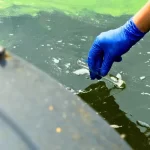
If you live in Brooklyn and are worried about the water in your faucet, here are some things you can do to make sure that it’s safe. Tests can be done yourself at supermarkets, and you can quickly and preliminarily verify contaminants such as acetone. These tests will give you an immediate answer, but maybe they’re not as complete as professional services.
There is also the advanced water quality testing in Brooklyn, which analyzes your tap water. They can identify a multitude of contaminants and will issue you with reports about their concentration. : If you are getting a water quality report from your provider, read it and learn the content as it’s basically a snapshot of your water.
Measures to Protect Yourself and Your Family
Make sure to get a water filtration system that is specifically made to filter out acetone and other contaminates to keep the water you and your family drink safe. From pitcher filters to whole-house systems, these can be quite a threat to exposure. And, in conjunction, there are some behavioural shifts that can help:
Don’t pour acetone-containing products down the drain.
Dispose of dangerous home goods at designated sites.
Engage with local water-cleansing advocacy groups and donate.
Community Involvement and Education
Achieving acetone contamination is a community responsibility. You can attend water quality committees, work with your city to support infrastructure improvements, and tell neighbours how to dispose of household chemicals safely. Campaigns of education can also teach the public about waste disposal and what to do in case of contamination.
Conclusion: Tap Water Safety for Brooklyn Residents
The point, finally, is that the potential for acetone in Brooklyn tap water points to the need for vigilant action. Even though most neighbourhoods remain well below recommended levels, some have been in higher than safe levels, which need to be monitored and made more known. By learning where contamination comes from, why it’s time to update the infrastructure, and how to stay safe, Brooklynites can be sure their tap water will always be safe and high-quality.
Looking for a water testing labs near me in Brooklyn? Contact Olympian Water Testing at (718) 766-7043.
Share this on social media:
Facebook
Twitter
LinkedIn
Next Article:

Related Posts