Does New York Have Hard Water?
- Published:
- Updated: April 13, 2025
Listen to this article
Summary
New York City’s water is soft, benefiting from low mineral content due to its reservoir sources. However, areas outside the city may experience harder water due to local geological conditions.
- New York City’s water is soft, primarily due to its low calcium and magnesium content.
- Regions outside the city may have harder water, especially those relying on groundwater.
- Water hardness can affect plumbing, appliances, and the efficiency of industrial processes.

Water hardness is a term that frequently surfaces in discussions about water quality. It refers to the concentration of dissolved minerals, primarily calcium and magnesium, in the water. These minerals originate from the natural dissolution of limestone, chalk, and gypsum, which are common in many geological formations. The presence of these minerals not only affects the taste and feel of the water but also has significant implications for household appliances, plumbing, and industrial processes.
The concept of water hardness is critical for understanding the broader context of water quality management. Hard water can influence not only individual households but also community infrastructure. In regions with high water hardness, municipal treatment facilities may need to adopt additional processes to mitigate the effects of these minerals on the water supply system. Moreover, understanding water hardness helps in assessing its environmental impact, as the excessive presence of certain minerals can alter aquatic ecosystems. Additionally, the use of devices like the Brita filter and hard water minerals can play a significant role in improving water quality at the household level by reducing the concentration of these problematic minerals. This not only enhances the taste and aesthetic appeal of drinking water but also helps in prolonging the lifespan of plumbing systems and appliances. Consequently, addressing water hardness through both municipal and individual efforts becomes essential for promoting sustainable water management practices.
Water hardness is typically measured in milligrams per liter (mg/L) or grains per gallon (gpg), with water classified as soft, moderately hard, hard, or very hard based on these concentrations. The classification assists consumers and industries alike in determining the necessary steps to treat or utilize water effectively. Recognizing these classifications is essential for implementing the right solutions, whether it involves installing a water softener system or adjusting industrial processes to accommodate varying mineral levels.
The Unique Composition of New York's Water
Does New York Have Hard Water?
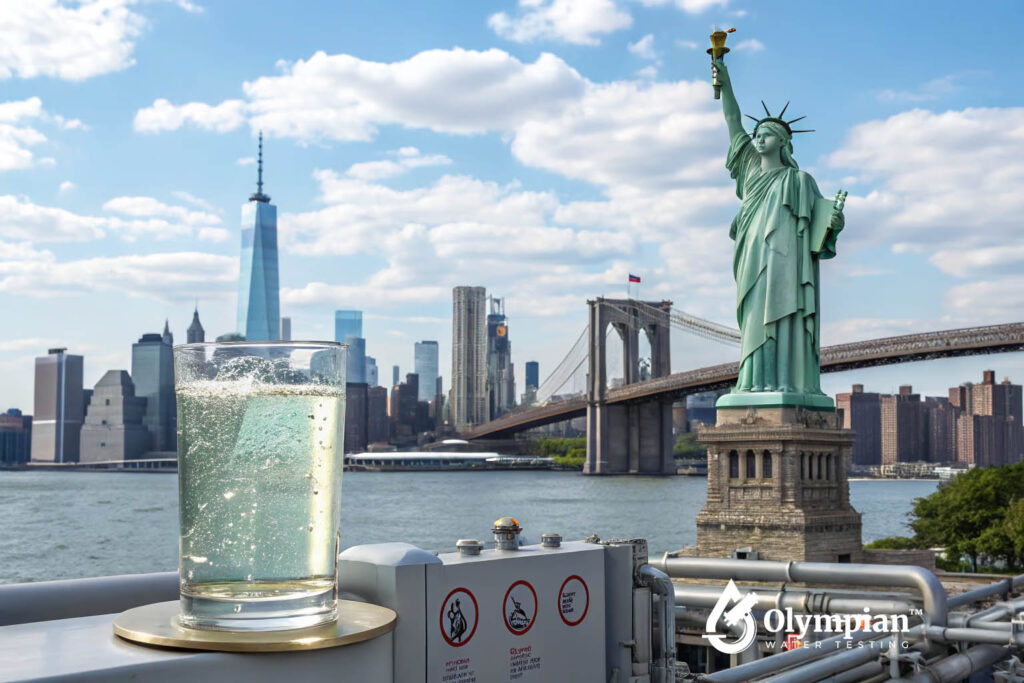
When considering the state of New York, it is important to distinguish between New York State and New York City, as water sources and quality can vary significantly. Generally, New York City’s water is renowned for being relatively soft compared to other regions in the United States. This distinction is primarily due to the unique geographic and geologic characteristics that influence water composition.
New York City benefits from a water supply system that taps into sources with low mineral content, reducing the likelihood of hard water issues. However, the broader state of New York presents a more complex picture. Areas outside the city, especially those relying on groundwater, may experience higher levels of water hardness due to local geological formations rich in calcium and magnesium. This variation necessitates localized approaches to water treatment and management.
Is New York Water Hard or Soft?

New York City’s water is sourced from a system of reservoirs and controlled lakes located in the Catskill, Delaware, and Croton watersheds. These sources are situated in areas with minimal limestone deposits, which means the water contains lower levels of calcium and magnesium, resulting in soft water. This is in contrast to other areas in New York State, where groundwater sources might lead to varying degrees of water hardness.
The soft water in New York City is not only a boon for residents but also for industries that require high-quality water for their operations. Soft water reduces the need for extensive water treatment, lowering costs and minimizing environmental impacts. Conversely, regions within the state that experience hard water must invest more heavily in water treatment infrastructure to prevent scale buildup and maintain the efficiency of their systems.
Implications of Water Hardness
Household and Industrial Impacts
The distinction between hard and soft water is more than a mere academic interest; it has practical implications for both households and industries. Hard water can lead to the buildup of scale in pipes, boilers, and appliances, reducing their efficiency and lifespan. It can also interfere with soap and detergent effectiveness, leading to higher usage and costs. These issues translate into higher maintenance and replacement expenses for homeowners and businesses. Moreover, hard water safety concerns arise when the mineral content affects the overall quality of drinking water, potentially leading to health risks if not properly managed. High levels of certain minerals, such as calcium and magnesium, can also impact the taste and appearance of water, making it less appealing for consumption. As a result, many households and industries invest in water softening systems to mitigate these challenges and ensure better water quality for daily use.
In contrast, soft water, such as that found in New York City, tends to be more gentle on plumbing systems and appliances. It also lathers more easily with soap, contributing to its favorable reputation. This ease of use can result in lower utility bills and less frequent repairs or replacements of water-dependent appliances. Additionally, industries that use water as a key component in manufacturing processes can benefit from reduced scaling and improved product quality when utilizing soft water.
Regulatory Considerations
From an environmental and regulatory perspective, understanding water hardness is crucial. Water quality standards set by agencies like the Environmental Protection Agency (EPA) and state bodies often include specifications for water hardness, especially in regions where water treatment is necessary to adjust mineral concentrations. Compliance with these standards is essential to safeguard public health and ensure the sustainability of water resources.
Regulations often mandate regular testing and reporting of water quality, including hardness levels, to ensure that water supplies meet safety criteria. Failure to comply with these standards can result in penalties and necessitate corrective actions, underscoring the importance of diligent water quality management. For municipalities and industries, staying informed about regulatory changes and implementing best practices for water management can prevent costly interventions and promote environmental stewardship.
Water Testing and Quality Assurance

Does New York City Have Hard Water?
As previously noted, New York City predominantly enjoys soft water. However, this does not exempt it from the necessity of regular water quality testing. Water testing ensures that not only are mineral levels appropriate, but also that other potential contaminants are within safe limits. This is paramount for public health and compliance with regulatory standards. Regular testing helps identify any shifts in water quality that may arise from environmental changes or infrastructure developments.
In addition to monitoring mineral content, water quality testing in New York City assesses a range of parameters including microbial contamination, chemical pollutants, and physical properties such as turbidity. This comprehensive approach to water testing ensures a holistic understanding of water quality, enabling swift responses to any detected issues. For residents, confidence in the safety and quality of their drinking water is bolstered by these rigorous testing protocols.
Water Testing Procedures

Water quality testing in New York is a meticulous process involving multiple parameters beyond hardness. Laboratories employ advanced techniques such as atomic absorption spectroscopy and ion chromatography to quantify mineral content and detect contaminants. These tests are crucial for both residential water consumers and industries that rely on high-quality water for their operations. Accurate testing results inform decisions related to water treatment and ensure compliance with health standards.
The procedures are designed to be thorough and precise, capturing a wide spectrum of potential contaminants. Regularly scheduled testing, coupled with state-of-the-art laboratory methods, provides a robust framework for maintaining water quality. This proactive approach helps preempt potential health risks and supports the long-term sustainability of water resources. For industries, maintaining water quality can be a critical factor in meeting production standards and ensuring product safety.
Addressing Water Quality Issues
For those encountering water quality issues, whether related to hardness or other factors, there are several strategies available: One effective approach is to install a water softener, which can significantly reduce mineral content and alleviate the hard water problem solutions. Additionally, using descaling agents and regular maintenance can help prevent build-up in pipes and appliances. Exploring filtration systems designed specifically for water hardness can also provide long-term benefits for improved water quality.
- Water Softeners: These devices can be installed in homes or businesses to reduce water hardness by exchanging calcium and magnesium ions with sodium or potassium ions. This exchange process helps prevent scale buildup and extends the lifespan of plumbing and appliances. Homeowners often find that softened water improves the effectiveness of soaps and detergents, reducing overall usage and cost.
- Chemical Treatments: In industrial settings, chemical additives might be used to prevent scale formation or to adjust water pH levels. These treatments are often tailored to the specific needs of the industry, ensuring that water quality supports operational efficiency and product integrity. Selecting the right chemical treatment requires an understanding of the specific water quality issues and desired outcomes.
- Regular Testing: Consistent monitoring of water quality can help identify and address potential issues before they become significant problems. Regular testing is a proactive measure that enables timely interventions and adjustments to treatment strategies. For communities and industries alike, ongoing vigilance in water quality testing is essential to maintaining safe and reliable water supplies.
Conclusion
Understanding whether New York has hard water is a complex question that necessitates a nuanced answer. While New York City is fortunate to have relatively soft water, other areas within the state may experience different conditions based on their local geology and water sources. Regardless of the specific circumstances, regular water testing and quality assurance remain indispensable practices for ensuring safe and efficient water usage.
For students and professionals alike, grasping the intricacies of water hardness and quality is essential. Whether for academic purposes or practical applications, a thorough understanding aids in making informed decisions that protect public health and promote efficient water management. Knowledge of water hardness can guide the implementation of effective water treatment solutions and support efforts to maintain water quality across various sectors.
In summary, New York City generally boasts soft water, reducing the concerns typically associated with hard water. However, ongoing vigilance in water quality testing remains critical across the state to address any emerging issues promptly. By staying informed and proactive, communities can ensure that their water resources remain safe, sustainable, and suitable for all uses.
Share this on social media:
Facebook
Twitter
LinkedIn

Related Posts