Overview of Long Island City’s Water Supply
Long Island City, a vibrant neighborhood in Queens, New York, heavily relies on groundwater for its water supply. The area’s water infrastructure taps into the vast aquifer system beneath Long Island. This aquifer serves as the sole source of freshwater for millions in Nassau and Suffolk Counties.
The Long Island City water treatment facilities are key to ensuring the water’s safety and quality. Advanced filtration and disinfection processes are used. These processes remove contaminants, meeting local and federal standards.
Long Island City’s Dependence on Groundwater
With over 2.8 million people in Nassau and Suffolk Counties, Long Island’s water demand is high. The aquifer system supplies over 400 million gallons of freshwater daily from over 1,500 wells. This highlights the need to protect and manage this vital resource.
The Sole-Source Aquifer System
Long Island’s aquifer system is a sole-source aquifer, the only source for the region’s water needs. This status emphasizes the critical role of the Long Island City water infrastructure in providing a reliable water supply.
| County | Population Served | Daily Water Supply (MGD) |
|---|---|---|
| Nassau | 1,400,000 | 200 |
| Suffolk | 1,500,000 | 200 |
The table shows the large population served by the aquifer system and the daily water supply in Nassau and Suffolk Counties. As Long Island City grows, managing this vital resource will be key to a stable water future.
Long Island’s Aquifer System
Long Island’s sole-source aquifer system is a vital resource, providing over 400 million gallons of freshwater daily to more than 2.8 million residents. The health and sustainability of this aquifer are key to maintaining the quality and quantity of Long Island City’s water supply. The U.S. Geological Survey has launched an eight-year study, the Long Island Groundwater Sustainability Study. The first phase focuses on western Long Island, including Nassau County, Brooklyn, and Queens.
Freshwater Zones and Aquifers
The Long Island aquifer system consists of several freshwater zones, or aquifers. These zones, from the upper glacial to the Lloyd aquifer, are vital for the region’s water supply. They support various industries and ecosystems. Yet, the system faces challenges like over-pumping, population growth, pollution, and climate change, as highlighted by the Long Island Groundwater Sustainability Study.
Major Clay Layers and Their Influence
The aquifer system also includes several major clay layers, such as the Gardiners Clay and Raritan confining unit. These layers are critical to the aquifer’s structure and function. They influence the aquifer system in several ways:
- Confining and isolating the underlying freshwater zones
- Limiting the rate of recharge to the units below
- Protecting the underlying freshwater from surface contaminants
- Influencing the formation of seaward extended freshwater-aquifer wedges under natural-discharge conditions and inland saltwater-intrusion wedges under pumping conditions in coastal marine environments
Understanding the complex interactions between these clay layers and the aquifers is essential for effective Long Island City water management. It ensures the long-term sustainability of the region’s water resources. The ongoing Long Island Groundwater Sustainability Study aims to provide updated hydrogeologic maps and determine the freshwater/saltwater interface. It also seeks to develop a groundwater-flow model to support informed decision-making and sustainable water management practices.

Groundwater Pumping and Its Effects
Groundwater pumping in Long Island City has significantly impacted the region’s aquifer system and ecosystems. The sole-source aquifer system, vital for over 2.8 million people in Nassau and Suffolk Counties, supplies more than 400 million gallons per day. This is done through about 1,500 public-supply wells. Yet, this extensive pumping has raised several environmental concerns.
One major issue is saltwater intrusion, documented in the Lloyd and Magothy aquifers in western Long Island and Suffolk County. Excessive pumping has pushed saltwater inland, threatening the freshwater supply quality. Groundwater pumping also harms streams, ponds, and coastal wetlands, which depend on groundwater for survival.
Human activities have worsened the problem, with urban runoff and septic systems degrading aquifer water quality. Point and nonpoint sources of contamination have made groundwater quality a challenge for conservation efforts. The table below shows the effects of different pumping and recharge scenarios on the aquifer system:
| Scenario | Description | Impact |
|---|---|---|
| Scenario_2a | Peak season pumping increase | 15% increase |
| Scenario_2b | Peak season pumping increase with natural recharge increase | 15% pumping increase, 10% recharge increase |
| Scenario_3a | Peak season pumping decrease | 15% decrease |
| Scenario_3b | Peak season pumping decrease with natural recharge increase | 15% pumping decrease, 10% recharge increase |
| Scenario_4a, 4b, 4c | Sea-level position increase | 3, 6, and 9 feet increase, respectively |
| Scenario_5 | 5-year drought simulation | 20% pumping increase, 20% recharge decrease |
| Scenario_6 | Natural recharge increase | 10% increase |
| Scenario_7 | Jamaica Water Company production wells reactivation | 62 MGD for 10 years |
These scenarios underscore the need for sustainable water conservation practices in Long Island City. As development and groundwater use grow, addressing ecohydrological and water quality concerns is essential. This ensures the long-term sustainability of the aquifer system.

Saltwater Intrusion in Long Island City’s Aquifers
Long Island City’s groundwater quality faces a growing threat from saltwater intrusion. This is mainly due to excessive groundwater pumping and the increasing population. As water demand rises, the aquifers are becoming more susceptible to saltwater contamination. This poses significant challenges for maintaining a sustainable and safe water supply for the city’s residents.
Causes of Saltwater Intrusion
Several factors contribute to the growing problem of saltwater intrusion in Long Island City’s aquifers:
- Long Island’s population has more than doubled in Nassau County and quintupled in Suffolk County over the past 70 years, leading to increased water demand.
- Approximately 400 million gallons of water are pumped daily from over 1,500 public supply wells for household use, while agriculture and industry consume an additional 60 million gallons of water daily.
- Long Islanders use 70% more water than the national average, according to the U.S. Geological Survey, putting additional stress on the aquifers.
- Extensive well drilling in Brooklyn and Queens in the late 19th and early 20th centuries led to many wells becoming salty and having to be abandoned, forcing connections to New York City’s upstate water supply.
Areas Affected by Saltwater Intrusion
Saltwater intrusion has been observed in various parts of Long Island City’s aquifers, with some areas experiencing more severe impacts than others:
| Area | Aquifer | Saltwater Intrusion Impact |
|---|---|---|
| Western Long Island | Lloyd and Magothy | Increased saltwater intrusion in the 1940s |
| Suffolk County | Various | Increased saltwater intrusion in the 1970s |
| Long Beach | Shallow layers | By 1979, chloride concentrations reached 8,700 mg/L, nearly 35 times the EPA’s recommended maximum level for drinking water |
The long island city water supply come from aquifers at risk of saltwater intrusion. The saltwater interface is moving inland at an alarming rate. New monitoring wells reveal it is closer to Nassau County’s drinking water wells than previously believed. Experts warn that traditional water management approaches may no longer suffice. Communities must be prepared for rising costs as they adapt to new challenges related to water supply and quality.

Impact on Streams, Ponds, and Coastal Wetlands
Long Island City’s water sources, mainly groundwater from the aquifer system, significantly affect streams, ponds, and coastal wetlands. Groundwater is the primary freshwater source for these ecosystems. Excessive withdrawal can lower water levels and disrupt salinity balances.
Large-scale sewering and overpumping have lowered groundwater levels, impacting surface waters. For example, Massapequa Creek dwindles to a trickle in dry years. Meadowbrook, once a thriving stream, has declined due to development and groundwater extraction.
Wetlands are vital, covering just 6 percent of Earth’s surface but supporting 40 percent of biodiversity. Peatlands, for instance, store more carbon than all forests, despite covering only 3 percent of Earth’s surface. The U.S. has 41 Ramsar Sites, covering 4.6 million acres of protected wetlands, vital for biodiversity.
| Ecosystem | Impact |
|---|---|
| Streams | Reduced water levels, altered flow patterns |
| Ponds | Decreased water levels, increased salinity |
| Coastal Wetlands | Altered salinity balance, reduced freshwater input |
Wetlands play a critical role beyond biodiversity. They improve water quality by filtering pollutants and excess nutrients. They also act as natural buffers, absorbing wave energy and excess water, reducing flood damage. Wetlands recharge groundwater, ensuring water for drinking, irrigation, and wildlife.
As Long Island City’s water sources face challenges, it’s vital to understand the impact on streams, ponds, and coastal wetlands. Addressing overpumping, saltwater intrusion, and urban runoff is key to maintaining these ecosystems. This is essential for the long-term sustainability of Long Island City’s water resources.
Water Quality Concerns in Long Island City
Long Island City’s drinking water quality is a pressing concern for residents and local authorities. The municipal water supply meets federal and state safety standards. Yet, contaminants like lead, heavy metals, and volatile organic compounds (VOCs) may be present. These can pose significant health risks if not properly addressed.
Point Sources of Contamination
Industrial and commercial facilities can introduce harmful substances into the water supply. In Hempstead, N.Y., all nine wells showed unhealthy levels of 1,4-dioxane, a potentially carcinogenic compound. The village water system, over 100 years old, needs significant upgrades to ensure safe drinking water for residents.
Nonpoint Sources of Contamination
Domestic wastewater, road salt, fertilizers, and pesticides can also impact the water quality. In Suffolk County, the return of domestic wastewater to groundwater from septic systems is a concern. Meyland notes that toxic chemicals like nitrates and pathogens are frequently found in the water supply, posing a threat to public health.
| Contaminant | Potential Health Effects |
|---|---|
| Lead | Developmental delays, learning difficulties, and kidney damage |
| Heavy metals | Organ damage, neurological disorders, and cancer |
| Chlorine and chloramines | Irritation of eyes and nose, stomach discomfort |
| VOCs | Liver, kidney, and central nervous system damage |
| PFAS | Developmental effects, liver damage, and cancer |
| Radionuclides | Increased risk of cancer |
| 1,4-dioxane | Likely carcinogenic to humans, liver and nasal cancer in lab studies |
Residents of Long Island City can get a detailed Water Quality Report by entering their zip code. This report provides insights into the contaminants present in their water supply. Ensuring access to safe and clean drinking water is essential for community well-being. Local authorities are taking steps to address these concerns. In addition to the Water Quality Report, residents are encouraged to participate in community meetings where water safety initiatives are discussed and further improvements are planned. Maintaining high standards for long island city water safety is a top priority, as it directly impacts the health of families and the overall quality of life. By staying informed and involved, residents can help ensure that their water remains safe and that potential contaminants are effectively managed.

The village board voted unanimously to issue a $55 million bond for a new water facility. The Town of Hempstead previously received $72 million from the state for clean water initiatives. In 2019, Hempstead joined 25 water suppliers across Long Island in a lawsuit against manufacturers for selling products containing 1,4-dioxane. This highlights the commitment to ensuring safe drinking water for all residents.
Long Island City Municipal Water Supply Come From
The municipal water supply in Long Island City originates from the vast aquifer system beneath Long Island. This aquifer system is the primary source of drinking water for the entire Long Island region. It provides a critical resource for the community. The aquifers are replenished by rainfall and snowmelt, ensuring a steady water supply for the area.
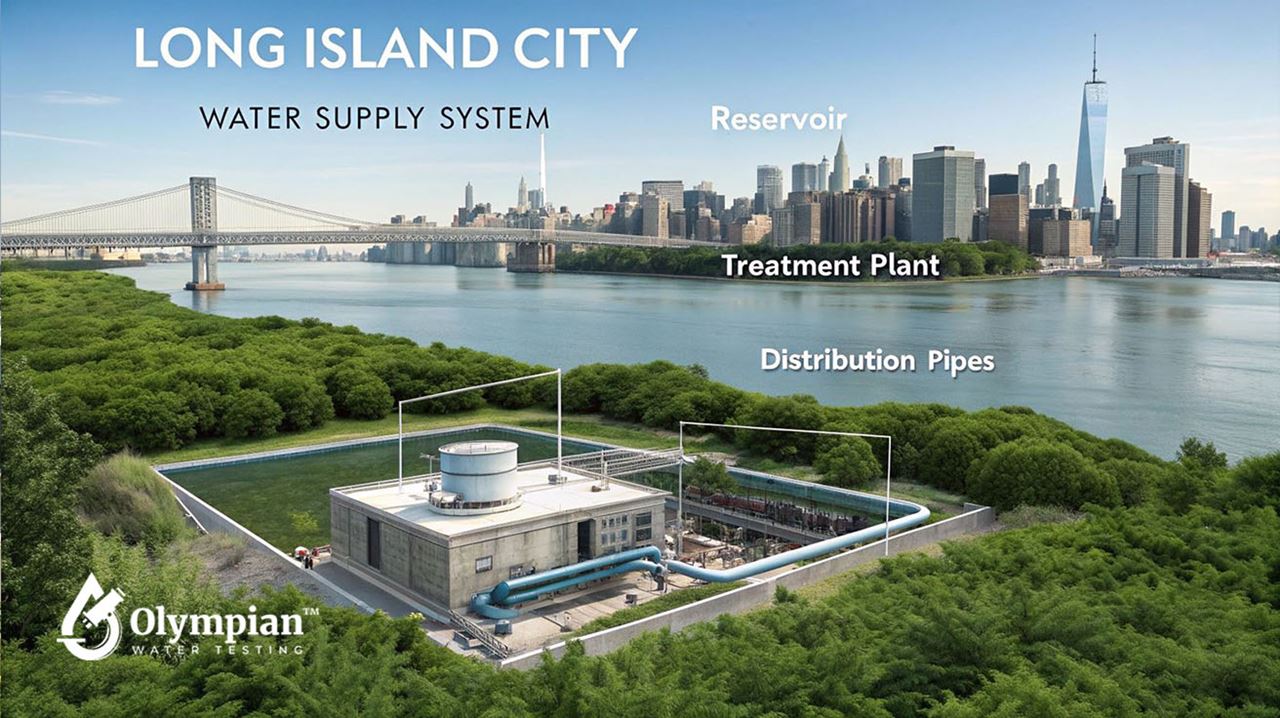
To deliver water to Long Island City’s residents and businesses, wells are strategically located throughout the region. These wells extract water from the aquifers. The water then undergoes a detailed treatment process at long island city water treatment plants. This process ensures the water meets quality and safety standards before distribution.
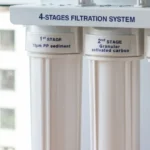
The water treatment plants in Long Island City utilize advanced technologies and techniques for purification. These include:
- Filtration to remove particles and contaminants
- Disinfection to eliminate harmful microorganisms
- Adjustment of pH levels to prevent corrosion in the distribution system
- Addition of fluoride to promote dental health
The recommended fluoride concentration in drinking water is 0.7 milligrams per liter. Studies indicate that fluoridated water can reduce cavities by about 25% in both children and adults. Communities with fluoridated water also save an average of $32 per person per year on dental treatments.
After treatment, the water is distributed through a vast network of pipes and mains. This network reaches homes, businesses, and public facilities across Long Island City. The dedicated team at the long island city water treatment plants ensures the water supply is safe, reliable, and abundant for the community’s needs.
Groundwater Sustainability Study by USGS
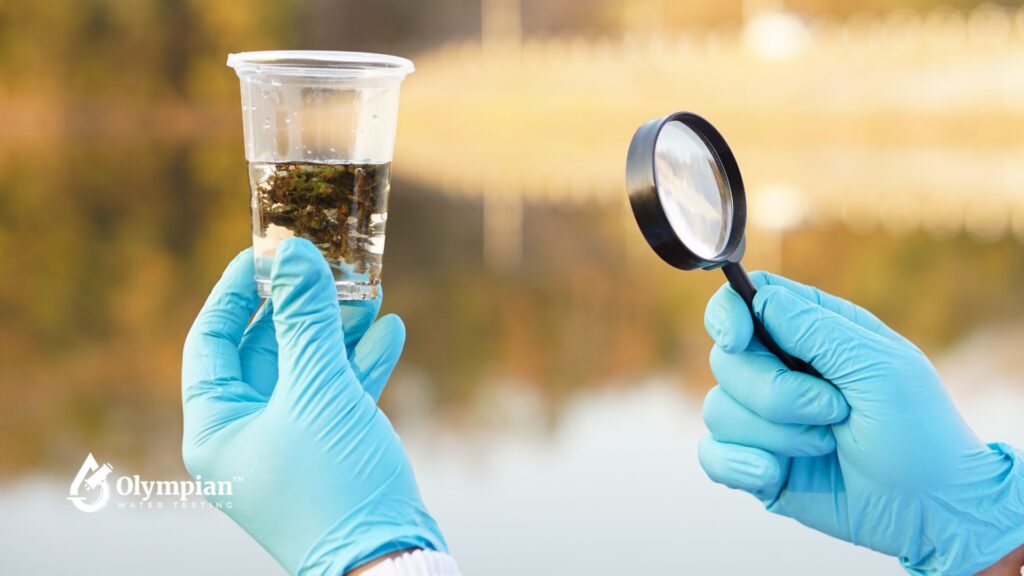
The United States Geological Survey (USGS) is conducting a detailed study on groundwater sustainability in Long Island City. This effort aims to understand the aquifer system’s current state and develop long-term water management strategies. The study focuses on updating hydrogeologic maps, determining the freshwater/saltwater interface, and creating a groundwater-flow model. These steps are essential to ensure the resilience of Long Island City’s water infrastructure.
In 2015, the U.S. withdrew about 84,600 million gallons per day of groundwater. Principal aquifers were responsible for 94 percent of this total. The nation’s water use in 2015 was 322 billion gallons per day, a 9 percent decrease from 2010. Freshwater withdrawals made up 87 percent of total withdrawals in 2015, totaling 281 billion gallons per day.
Updating Hydrogeologic Maps
The USGS is revising hydrogeologic maps of Long Island City’s aquifer sediments, building on the 1990 framework update. These updated maps will offer a clearer view of the hydrostratigraphic surfaces and unit extents. This will aid in better managing the city’s groundwater resources. The USGS is using the latest data and advanced mapping techniques to enhance the maps’ precision and reliability. This will support informed decisions for water infrastructure upgrades in Long Island City.
Determining Freshwater/Saltwater Interface Location
Identifying the freshwater/saltwater interface location is critical for maintaining Long Island City’s groundwater quality and sustainability. The USGS is using cutting-edge techniques to map the 2019 interface position. This will provide insights into saltwater intrusion in the aquifer system. The information will guide efforts to mitigate saltwater intrusion and protect the city’s freshwater reserves.
Developing a Groundwater-Flow Model
The USGS is creating a sophisticated groundwater-flow model to predict the outcomes of management decisions and environmental changes. This model will simulate the complex interactions within the aquifer system, considering factors like recharge rates, pumping activities, and climate variability. By running various scenarios, the model will help identify sustainable management strategies for Long Island City’s groundwater resources. It will inform future water infrastructure upgrades.
| Year | Groundwater Withdrawals (Mgal/d) | Total Water Use (Bgal/d) |
|---|---|---|
| 1995 | 77,000 | – |
| 2010 | – | 355 |
| 2015 | 84,600 | 322 |
The USGS groundwater sustainability study highlights the need to protect Long Island City’s water resources for future generations. With about 130 million people in the U.S. relying on groundwater for drinking water, the study’s findings are critical for water management and infrastructure planning. They will have significant implications for Long Island City and beyond.
Overpumping and Aquifer Stress
Long Island City is facing a critical threat to its water supply due to overpumping of groundwater aquifers. These aquifers, which supply about 70% of the city’s water, are under immense stress. The annual extraction of groundwater totals around 90 million gallons per day. This excessive pumping has caused water levels to plummet, with some areas seeing drops of up to 30 feet in recent decades.
The United States Geological Survey (USGS) reports that Long Island’s aquifers are replenished at a rate of only 50 million gallons per day. This creates a deficit of 40 million gallons per day. The decrease in aquifer recharge rate, down by about 25% due to urbanization and increased impervious surfaces, worsens this imbalance. As a result, the need for effective long island city water conservation measures has never been more urgent.
The effects of overpumping go beyond just water quantity. Groundwater quality testing reveals that 30% of monitoring wells in the area exceed safe drinking water standards for contaminants. The risk of saltwater intrusion has also increased, with some coastal wells showing chloride concentrations above 250 mg/L, the threshold for safe drinking water.
| Statistic | Value |
|---|---|
| Groundwater extraction rate | 90 million gallons per day |
| Aquifer recharge rate | 50 million gallons per day |
| Deficit | 40 million gallons per day |
| Recharge rate decrease due to urbanization | 25% |
| Monitoring wells exceeding contaminant standards | 30% |
The Long Island Regional Planning Council warns that without sustainable management, the aquifers could be depleted in about 20 years. To mitigate this risk, it is imperative to implement long island city water conservation measures. These measures are essential to reduce the strain on the aquifers and ensure a sustainable water supply for future generations.
Water Conservation Efforts in Long Island City
Long Island City faces the challenge of cutting down water usage and promoting conservation. With Long Islanders using 70% more water than the national average, the need for effective measures is clear. Lawn irrigation practices significantly increase consumption, doubling or tripling in the summer.
Efforts to encourage efficient water use and reduce waste are underway. These include:

Smart Sprinkler Systems
Smart sprinkler systems are seen as a key solution to lawn irrigation waste. They prevent watering when the soil is moist. Roslyn and Port Washington have been promoting these systems for years. Starting January 1st, all residents must switch to these water-saving versions.

Reclaimed Water for Golf Courses
Golf courses, with their high water needs, are also a focus. The Indian Island golf course in Riverhead uses reclaimed water from a sewage treatment plant. This has saved 63 million gallons of water annually.
| Water Conservation Initiative | Impact |
|---|---|
| Smart Sprinkler Systems | Reduces water waste by preventing unnecessary watering |
| Reclaimed Water for Golf Courses | Saves 63 million gallons of water annually at Indian Island golf course |
| Funding for Water Quality Improvements | Over $225 million awarded to 165 projects across New York State |
| Environmental Justice Community Support | $197 million allocated for communities affected by pollution |
New York State has invested heavily in water quality and infrastructure. Over $225 million has been given to 165 projects, with $197 million for environmental justice communities. These funds will aid in water conservation and quality efforts. They aim to reduce water usage and protect this vital resource in Long Island City and beyond.
Public Awareness and Involvement
Long Island City residents are increasingly participating in water education programs. These efforts aim to tackle pressing water quality and consumption issues. A recent meeting at the Levittown Public Library, hosted by the League of Women Voters of East Nassau, drew a large crowd. They were eager to learn about water contamination and conservation from expert Sarah Meyland.
The league’s East Nassau group is dedicated to advocating for local issues. They focus on topics that impact residents, promote voter services, and follow county government activities. Their work is part of a growing trend of long island city water education programs. These programs aim to raise public awareness and involvement.
These initiatives are vital, as recent water quality data shows:
| Week | Rainfall (inches) | Unsafe Reporting Sites |
|---|---|---|
| Week 10 | 3.17 | – |
| Week 9 | 0.26 | 40% |
| Week 8 | 0.21 – 0.91 | 28 out of 45 waterways |
| Week 7 | – | 30% |
| Week 6 | – | 50% |
| Week 5 | – | 82.61% |
| Week 4 | 1.79 | 75% |
| Week 3 | 0.78 | 36% |
| Week 2 | 0.96 | 50% |
The CWQT program monitors water quality at up to 92 sites, collecting about 40 gallons of samples weekly. The NYC Department of Environmental Protection (DEP) has issued advisories for many waterways. This is due to high enterococcus bacteria levels, making them unsafe for primary contact.
In response, the NYC Parks and DEP have secured $11.2 million for the "daylighting" project of Tibbetts Brook. This project is scheduled to begin construction in late 2025. The CWQT program is also conducting a 3-year review cycle for water quality standards as mandated by the Clean Water Act.
As long island city water education programs continue to engage the public, it’s clear that community involvement is key. It will be essential in addressing the challenges facing Long Island City’s water supply. Ensuring a sustainable future for all residents depends on it.
The Future of Long Island City’s Water Supply
Concerns over Long Island City’s water sustainability and quality are escalating. Experts and community leaders advocate for a more integrated approach to managing this critical resource. The aquifer system faces strain from overpumping and saltwater intrusion, highlighting the need for careful management. Organizations like the League of Women Voters aim to increase public awareness and encourage community involvement in promoting healthier water systems. By engaging in the democratic process and supporting candidates focused on long island city sustainable water management, residents can significantly influence their community’s water future.
Significant investments are underway to address Long Island City’s water infrastructure challenges. New York State has committed $665 million for water infrastructure projects, with over $450 million dedicated to New York City. The City has also secured a $717 million bond sale to fund various projects, aiming to save ratepayers $183 million. The New York City Department of Environmental Protection (DEP) has pledged over $3 billion for Westchester County projects, including the Kensico to Eastview tunneling project. This project, set to serve over 9 million people, is expected to be operational by 2035.
The DEP’s strategy for a reliable water supply includes managing 19 reservoirs, three controlled lakes, and over 7,000 miles of water mains. The sewer system spans about 7,500 miles with 96 pump stations. The DEP plans to invest $29 billion in the next decade to maintain and enhance this infrastructure. By focusing on sustainable water management and infrastructure upgrades, Long Island City aims to secure a resilient water supply for generations to come.
Securing Long Island City’s water supply’s future demands a collective effort from government, community groups, and residents. Raising awareness about water quality, supporting sustainable practices, and participating in local decision-making are essential steps. As Barbara Epstein, co-President of the East Nassau League of Women Voters, emphasizes, community involvement is key to addressing water quality issues and fostering a sustainable water system.
FAQ
What is the source of Long Island City’s municipal water supply?
Long Island City’s water comes from the aquifer beneath Long Island. This aquifer is the only source of drinking water for the island. It’s replenished by rainfall and snowmelt.
How is water from the aquifer system treated before being distributed to residents and businesses in Long Island City?
Water is pumped from wells and treated at plants. Then, it’s distributed to homes and businesses in Long Island City.
What are the freshwater zones or aquifers that make up Long Island’s aquifer system?
Long Island’s aquifer system includes several zones. These zones are the upper glacial, North Shore, Jameco, Magothy, and Lloyd aquifer, in increasing depth.
How have groundwater pumping and other human activities affected Long Island’s aquifer system?
Groundwater pumping has caused saltwater intrusion in some areas. It has also harmed streams, ponds, and coastal wetlands. Urban runoff and septic systems have further impacted water quality.
What are some of the water quality concerns in Long Island City?
Human activities have led to contamination. This includes industrial and commercial pollution, as well as runoff from roads and fertilizers. In Suffolk County, septic systems are a major concern. Nassau County faces issues with toxic chemicals in its water.
What are some of the water conservation efforts being implemented in Long Island City?
Experts recommend using smart sprinklers to reduce waste. Roslyn and Port Washington have already started this. By January 1, all residents must use these efficient sprinklers. The Indian Island golf course in Riverhead has saved millions by using reclaimed water.
What can residents do to get involved in addressing water quality issues on Long Island?
Barbara Epstein suggests voting in local campaigns to address water quality. The League of Women Voters aims to raise awareness and improve the water system.