Understanding Iron Contamination in Well Water
- Published:
- Updated: January 13, 2025
Listen to this article
Summary
Iron contamination in well water mainly originates from geological processes and human infrastructure. It can affect water quality, plumbing, and health. Proper testing and treatment are crucial for mitigation.
- Geological Sources: Groundwater can dissolve iron from iron-rich soil, and human activities like mining can worsen contamination.
- Plumbing Issues: Corroded pipes release iron into water, affecting taste, appearance, and appliance functionality.
- Health and Treatment: Iron levels need to be monitored to prevent health issues like hemochromatosis, and water filtration systems can remove excess iron effectively.

Iron contamination in well water predominantly arises from geological sources. Groundwater traverses iron-rich soil and rock formations, dissolving iron that subsequently enters the water supply. This natural process is often exacerbated by human activities such as mining and industrial operations that disturb the soil and rock layers, increasing the amount of iron released into groundwater.
Furthermore, regional variations in soil composition can influence the concentration of iron in water. Areas with high iron content in the soil are more susceptible to significant iron contamination in their water supplies.
Contribution of Infrastructure to Iron Levels
Apart from natural sources, human infrastructure can also contribute to elevated iron levels in water systems. Corroded iron or steel pipes are a common culprit, especially in older plumbing systems. As these pipes deteriorate, they release iron into the water, compounding the problem of contamination.
Regular maintenance and updates to plumbing infrastructure can mitigate this source of iron contamination. Switching to non-corrosive materials such as PVC or copper can be a long-term solution to prevent additional iron from entering the water supply.
Forms of Iron in Well Water

Iron in well water primarily exists in two forms: ferrous iron (Fe2+) and ferric iron (Fe3+). Ferrous iron is soluble and remains invisible in water, often going undetected until it oxidizes upon exposure to air, forming ferric iron that gives the water a reddish-brown tint.
Understanding these chemical forms is crucial for determining the appropriate remediation methods. Ferrous iron requires different treatment strategies compared to ferric iron due to its solubility and reactivity with other compounds present in water.
Impact on Water Quality
Sensory Impacts: Taste and Appearance
Iron contamination profoundly affects the sensory qualities of water. High concentrations of iron impart a metallic taste, which can be unpleasant for consumption and impact the flavor of food and beverages prepared with the water. The reddish-brown staining caused by ferric iron further detracts from the aesthetic appeal of water, affecting laundry, bathroom fixtures, and even cooking utensils.
Addressing these sensory issues often requires targeted treatment solutions that improve the taste and appearance of water, enhancing its overall quality for household and industrial use.
Plumbing and Appliance Challenges
Beyond sensory impacts, iron contamination can pose significant challenges to plumbing systems. Iron deposits can clog pipes, reducing water flow and increasing maintenance costs. Appliances such as dishwashers and washing machines are also susceptible to damage, as iron deposits can accumulate and interfere with their operation.
Regular descaling and cleaning routines, along with the installation of appropriate filtration systems, can help mitigate these challenges, extending the lifespan of plumbing systems and appliances.
Iron Bacteria: A Hidden Threat
Iron-laden water can support the growth of iron bacteria, which thrive in environments rich in ferrous iron. These bacteria form slimy deposits in plumbing systems, exacerbating blockages and maintenance issues. They can also produce unpleasant odors and further degrade water quality.
Preventing the growth of iron bacteria involves reducing iron levels and employing specific treatments like shock chlorination to eliminate bacterial colonies, ensuring a cleaner and more efficient water system.
Health Considerations
Safe Levels of Iron in Drinking Water
From a health perspective, iron in drinking water at typical concentrations does not pose a significant risk. The human body requires iron for various functions, and it is an essential nutrient. However, excessive iron intake can be harmful, leading to conditions such as hemochromatosis, characterized by excessive iron accumulation in the body.
To ensure safety, it is crucial to maintain iron concentrations within acceptable limits. Regular water testing and adherence to recommended guidelines can help prevent health issues related to iron overload.
Hemochromatosis and Excessive Iron Intake
Hemochromatosis, a condition caused by excessive iron accumulation, can result in serious health complications, including liver damage, diabetes, and heart problems. Although rare, it underscores the importance of monitoring iron levels in drinking water, particularly for individuals with genetic predispositions to iron overload.
Understanding the symptoms and seeking medical advice when necessary can aid in early detection and management of hemochromatosis, minimizing its impact on health.
Nutritional Considerations
While excess iron is a concern, it is also important to recognize the nutritional value of iron in the diet. Iron is vital for producing hemoglobin, the protein responsible for oxygen transport in the blood. For many, dietary intake remains the primary source of iron, with water contributing only minimally.
Balancing iron intake through diet and water consumption is essential, particularly for populations at risk of iron deficiency, such as children and pregnant women, ensuring they receive adequate iron without exceeding safe levels.
Testing for Iron in Well Water
Comprehensive Water Testing Methods
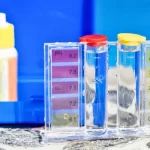
Detecting iron in well water requires comprehensive water testing. Laboratory analysis typically includes tests for total iron, ferrous iron, and ferric iron concentrations. These tests are essential for determining the extent of contamination and selecting the appropriate treatment method.
Field test kits are also available for preliminary assessments, providing a quick and cost-effective way to gauge iron levels before conducting more detailed laboratory analyses.
Interpreting and Understanding Test Results
Understanding the results of water testing is crucial for effective remediation. The Environmental Protection Agency (EPA) recommends that iron levels in drinking water not exceed 0.3 milligrams per liter (mg/L) or parts per million (ppm). When results exceed this threshold, it indicates a need for treatment measures.
Consulting with water quality professionals can aid in interpreting test results and developing a tailored remediation plan to address specific levels and forms of iron contamination.
Regular Monitoring and Assessment
Regular monitoring and assessment of well water are vital to ensure ongoing water quality. Periodic testing can help detect changes in iron levels, allowing for timely intervention and adjustment of treatment strategies as needed.
Establishing a routine testing schedule can provide peace of mind and ensure that iron levels remain within acceptable limits, safeguarding both health and infrastructure.
Strategies for Removing Iron from Well Water
Advanced Iron Water Filtration Solutions
Iron water filters are an effective solution for removing iron from well water. These filters typically use oxidation and filtration to convert soluble ferrous iron into insoluble ferric iron, which is then filtered out. Popular types include:
- Oxidizing Filters: These use media such as manganese greensand or birm to catalyze the oxidation of iron, allowing for easy filtration. Regular regeneration of the media is necessary to maintain filter efficacy and longevity.
- Catalytic Carbon Filters: These filters employ activated carbon to adsorb iron particles, improving water clarity and taste. They are particularly effective for removing trace amounts of iron and enhancing the overall quality of water.
Comprehensive Well Water Treatment Systems
In cases of severe iron contamination, comprehensive well water treatment systems may be necessary. These systems often combine multiple technologies to ensure optimal iron removal. Key components might include:
- Aeration Systems: Aeration introduces oxygen to water, promoting the oxidation of ferrous iron to ferric iron for filtration. This method is effective for treating large volumes of water and can be integrated with other systems for enhanced results.
- Chemical Oxidation: Chemicals such as chlorine or potassium permanganate are used to oxidize iron, making it easier to remove. This approach requires careful handling and precise dosing to avoid adverse effects on water quality.
- Ion Exchange: This method exchanges iron ions with other ions, such as sodium, effectively removing iron from the water. It is particularly useful for treating hard water with high mineral content, offering a dual benefit of softening and decontamination.
Ensuring System Efficiency: Maintenance and Monitoring
Regular maintenance and monitoring of treatment systems are vital to ensure their efficiency. This includes routine cleaning, media replacement, and periodic water testing to verify that iron levels remain within acceptable limits.
Establishing a maintenance schedule and keeping detailed records can help identify trends and potential issues, allowing for proactive management and minimizing the risk of system failure.
Practical Advice for Managing Iron Contamination
Proactive Prevention and Early Detection
Preventing iron contamination begins with proper well construction and maintenance. Selecting appropriate materials and ensuring a secure wellhead can reduce the risk of contamination. Regular inspection and testing can help identify issues before they escalate, allowing for timely intervention.
Implementing preventive measures such as water diversion and soil stabilization can also minimize the impact of surface runoff and erosion on well water quality.
Consulting with Water Quality Professionals
Engaging with water quality experts or environmental consultants can provide valuable insights into the most suitable treatment options for your specific situation. Their expertise can guide you in selecting and implementing the right solutions, ensuring compliance with health and safety standards.
Professional consultations can also offer tailored advice on system upgrades and improvements, optimizing your water treatment approach to meet evolving needs and conditions.
Long-term Solutions for Sustainable Water Quality
Achieving sustainable water quality requires a long-term approach that considers both current and future needs. Regular updates to treatment systems, combined with ongoing education and awareness, can ensure that water remains safe and iron-free.
Investing in advanced technologies and staying informed about emerging trends in water treatment can provide lasting benefits, protecting both health and infrastructure from the challenges of iron contamination.
Conclusion
Iron contamination in well water is a multifaceted issue that requires a well-informed approach for effective management. By understanding the sources, impacts, and remediation strategies, homeowners and industries can take proactive steps to ensure water quality.
Utilizing iron water filters and well water treatment systems, alongside regular testing and maintenance, can mitigate the effects of iron contamination, safeguarding both health and infrastructure. As we continue to prioritize water quality, informed decisions and expert guidance will remain pivotal in addressing iron contamination challenges.
By following these guidelines, you can achieve clean, iron-free water that meets both aesthetic and safety standards. For those facing persistent issues, seeking professional assistance remains the best course of action, ensuring comprehensive solutions tailored to your needs.
Share this on social media:
Facebook
Twitter
LinkedIn

Related Posts